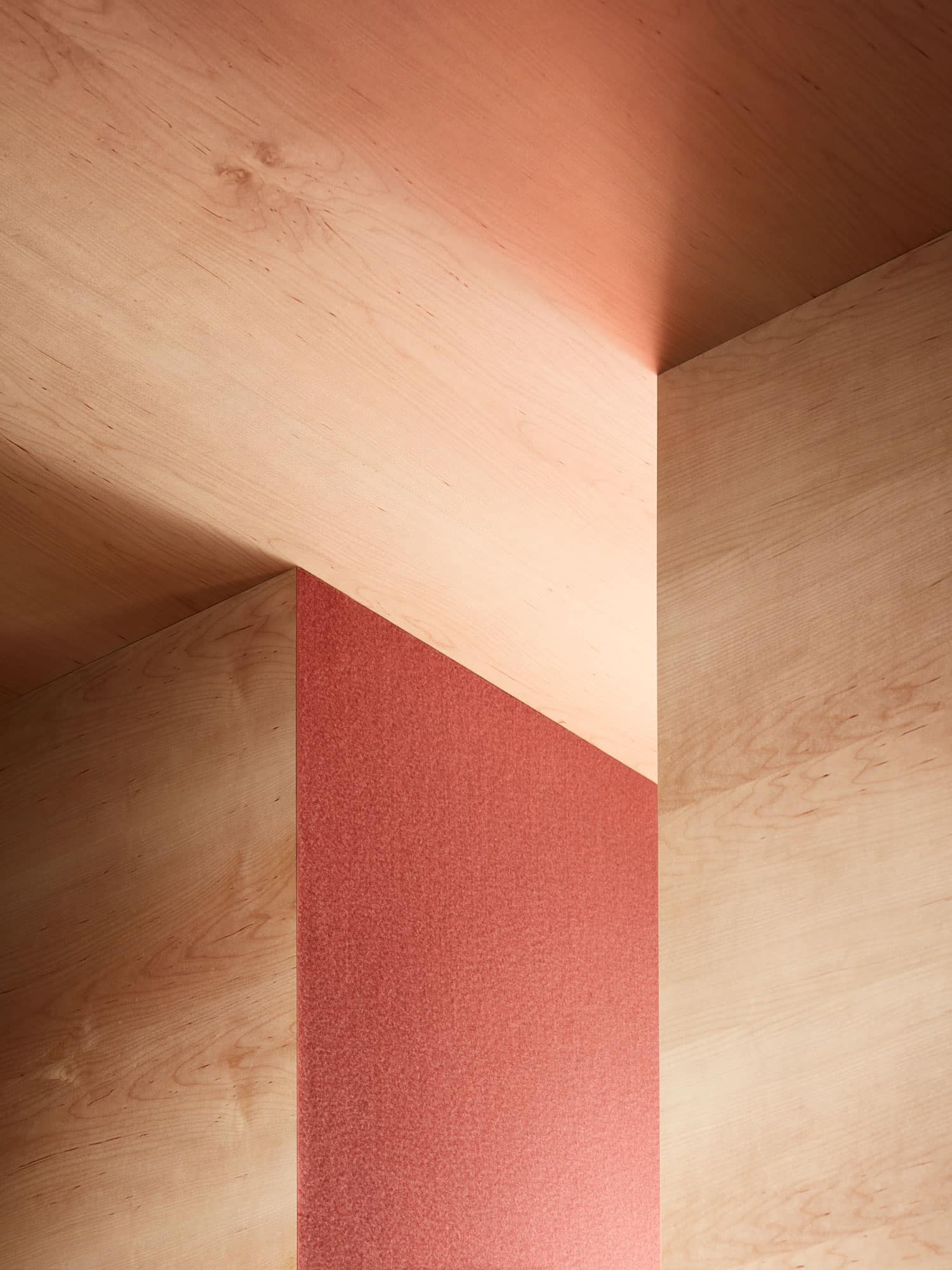
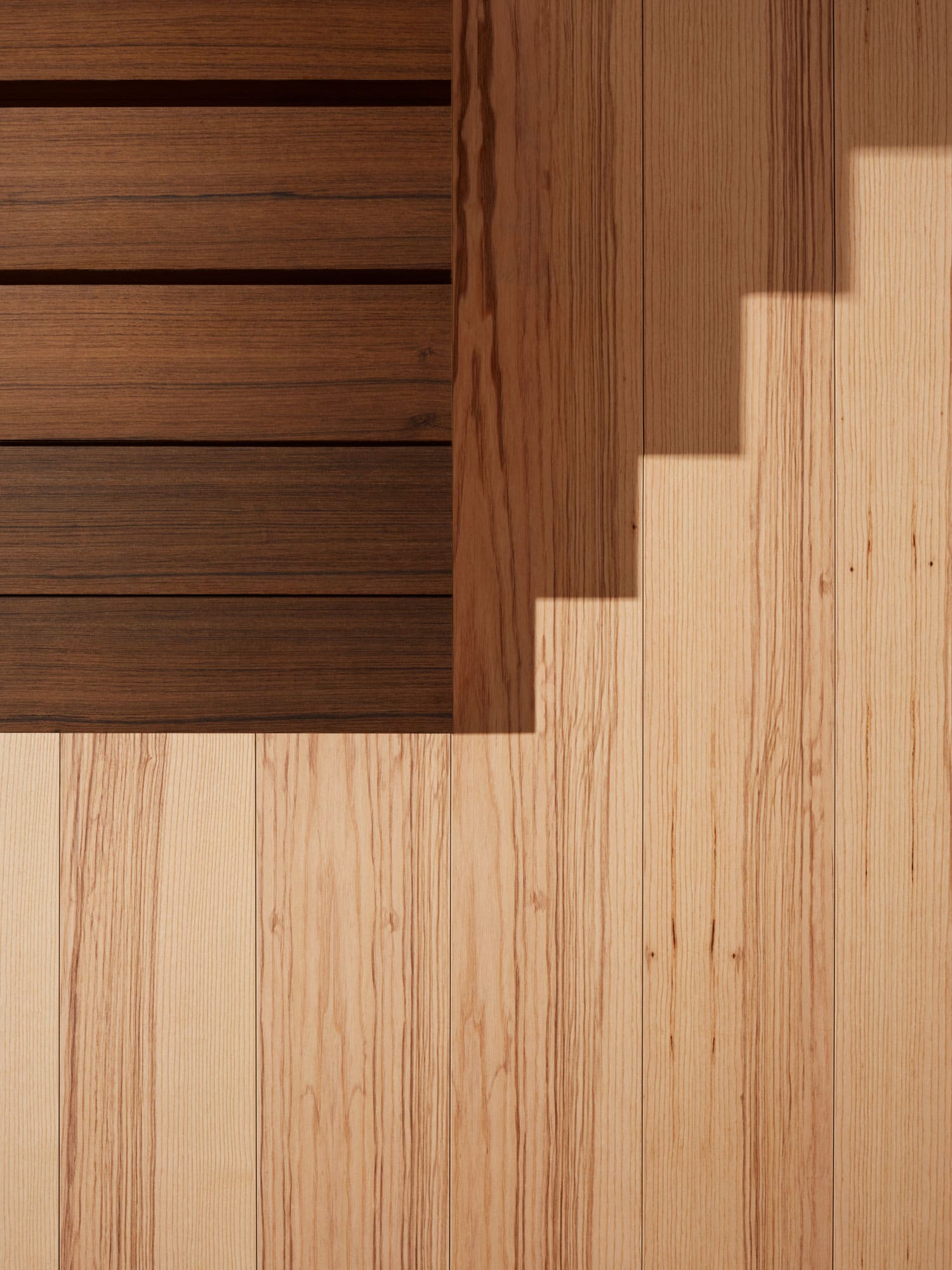
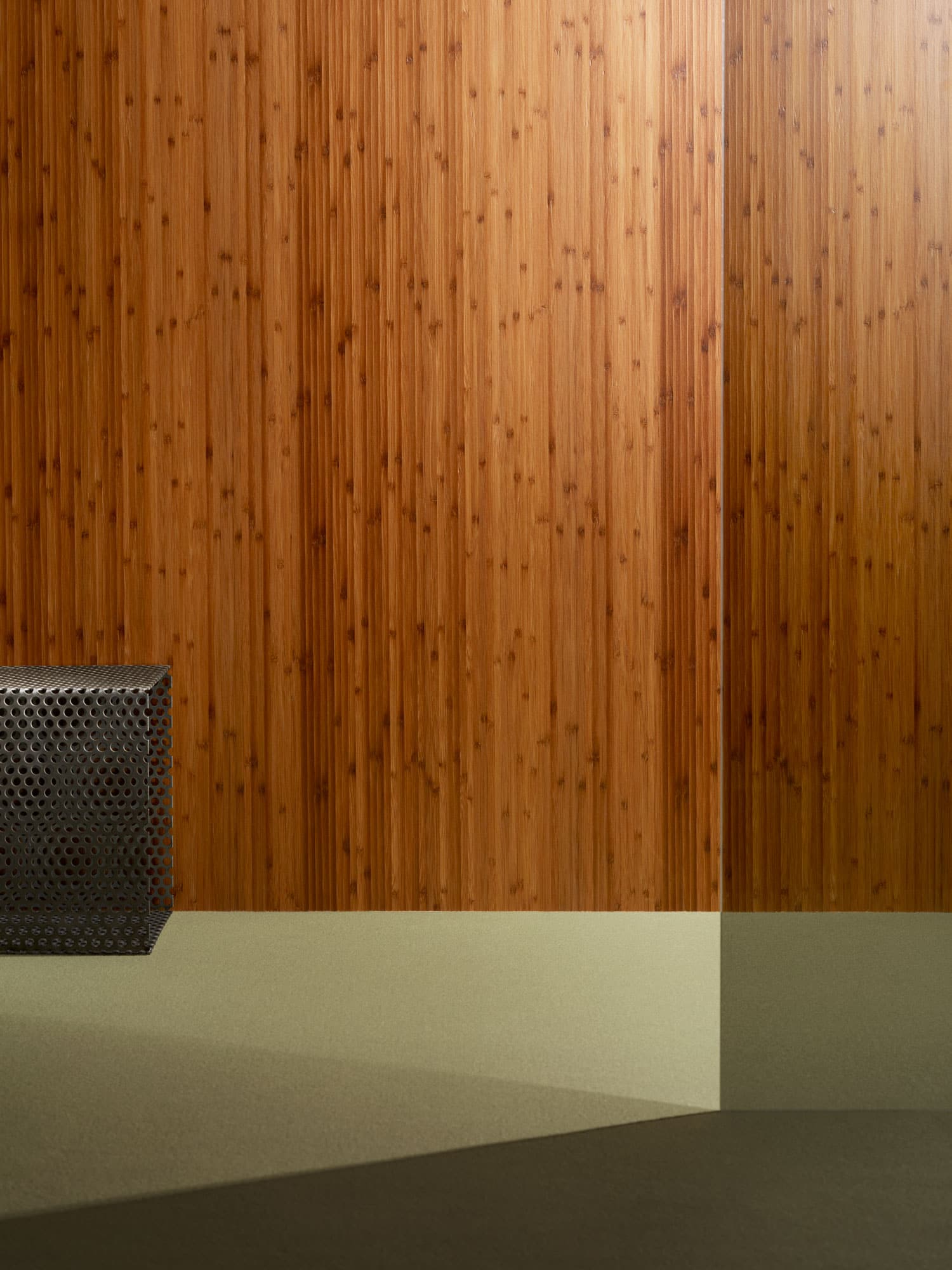
The ventilated wooden facade is one of the most effective construction solutions for achieving energy-efficient and sustainable buildings. This system combines the natural properties of wood with the physical principles of natural ventilation, creating an optimized thermal envelope that meets both indoor comfort and energy efficiency criteria.
How Does a Ventilated Wooden Facade Work?
The operating principle of a ventilated facade relies on creating an air cavity, at least 20 mm thick, between the load-bearing wall and the external wooden cladding. This cavity enables natural air circulation due to the chimney effect caused by temperature differences between the interior and exterior of the cavity.
During warmer months, hot air rises through the ventilated cavity, expelling accumulated heat from the outer surface of the cladding, significantly reducing the thermal load reaching the load-bearing wall. In winter, the same cavity acts as an additional thermal barrier, creating an air cushion that enhances the overall insulation of the system.
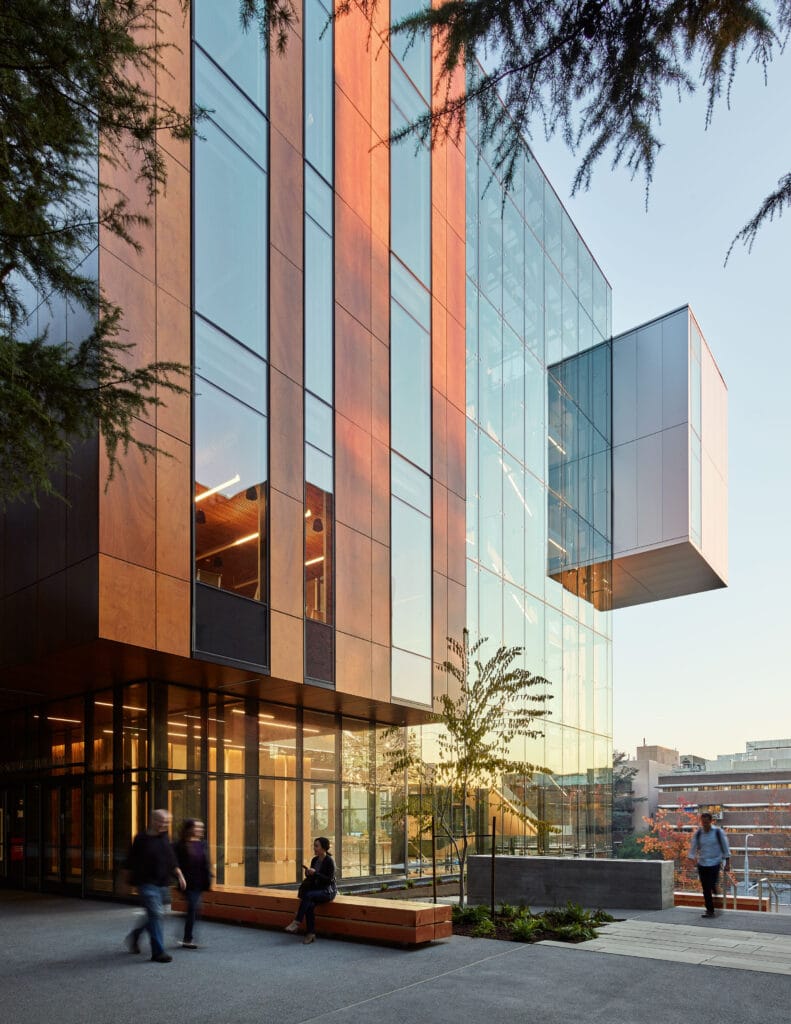
Natural wood panels, such as NATURCLAD-W are specifically designed for these applications, incorporating treatments that ensure durability without compromising the system’s thermal properties. The Life Sciences Building at the University of Washington, designed by Perkins+Will, is an excellent example of this type of solution.
Bioclimatic Advantages of Ventilated Facades
- Passive Thermal Control: The natural ventilation of the cavity can reduce surface temperatures of the cladding by up to 15°C compared to non-ventilated systems, minimizing heat transfer to the interior. This is particularly relevant in warm climates where cooling accounts for a significant portion of energy consumption.
- Hygrothermal Regulation: Air circulation in the cavity facilitates the expulsion of water vapor from the interior to the exterior, preventing interstitial condensation that could compromise material durability and indoor air quality.
- Structural Protection: The wooden cladding serves as the first barrier against direct solar radiation, rain, and sudden temperature changes, protecting the building’s main structure and extending its lifespan.
Contribution to Energy Efficiency
Ventilated facades with wooden cladding can reduce the energy demand for climate control by 15% to 30%, depending on specific climatic conditions. This improvement stems from several complementary factors:
The thermal inertia of wood helps dampen daily temperature fluctuations, creating more stable indoor conditions. The natural insulating properties of wood reduce heat loss through the building envelope.
The cladding panels for the Frisco Public Library, designed by Gensler, were custom-installed to create an overlapping plank system, adding character to the 1,200-square-meter facade.
Technical Considerations for Implementation
Proper implementation of a ventilated wooden facade requires attention to several key technical aspects:
- Top and Bottom Ventilation: Air inlet and outlet openings must be appropriately sized, typically equivalent to 0.5-1% of the total facade surface area, distributed proportionally between the base and the top.
- Fastener Systems: The subframe must accommodate the natural movement of wood while ensuring the mechanical stability of the assembly under wind loads.
Compatibility with Environmental Certifications
Ventilated wooden facades positively contribute to obtaining sustainability certifications such as LEED, BREEAM or WELL, particularly in categories related to energy efficiency, sustainable materials, and indoor environmental quality.
Certified wood sourcing (PEFC, FSC) and Environmental Product Declarations (EPDs) available for products like NATURCLAD-W facilitate the quantification of environmental impact and the calculation of the building’s carbon footprint.
Need specific technical advice for your project? Contact our team with no obligation to address technical questions, analyze specific requirements, or develop customized solutions.