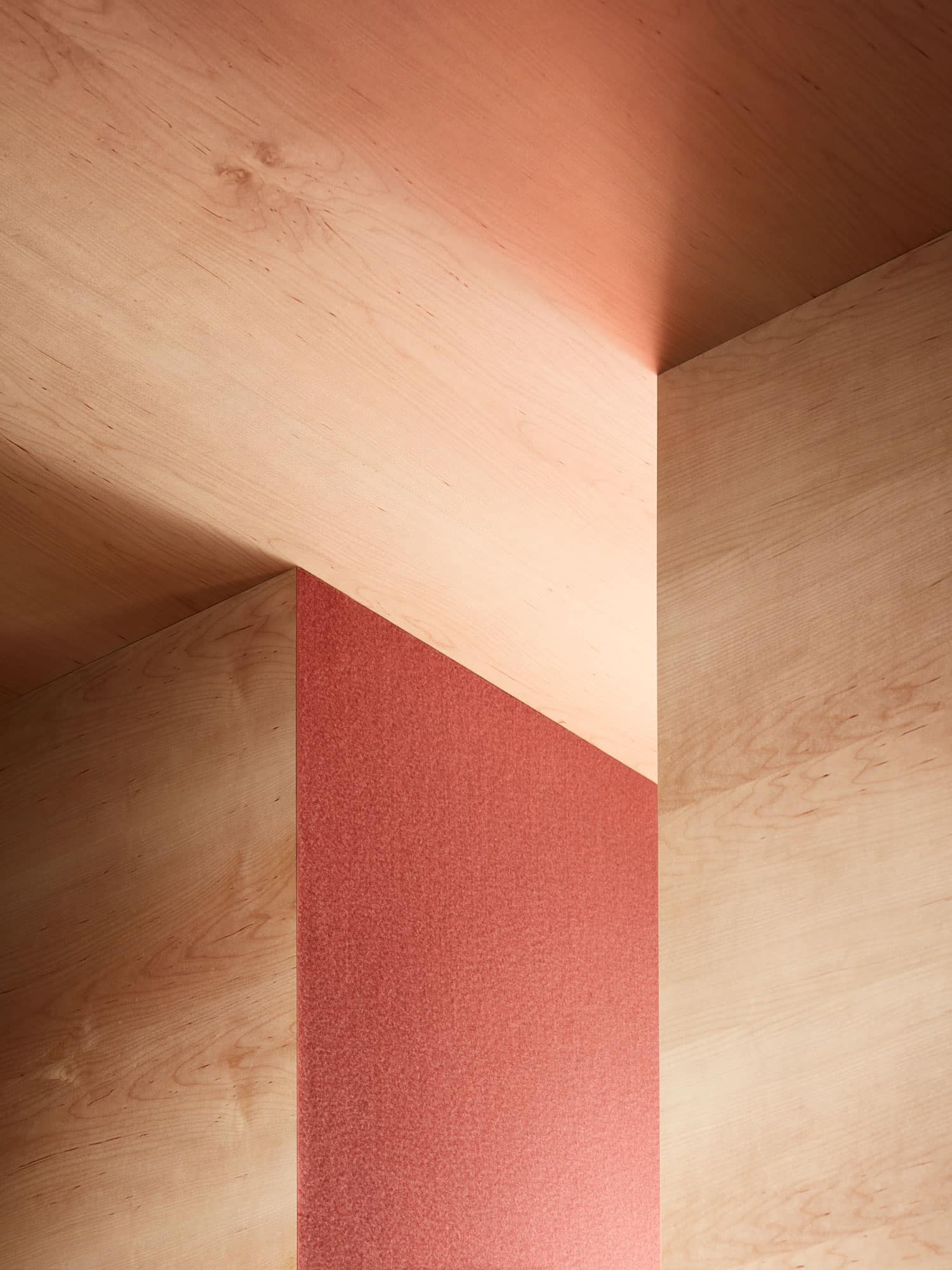
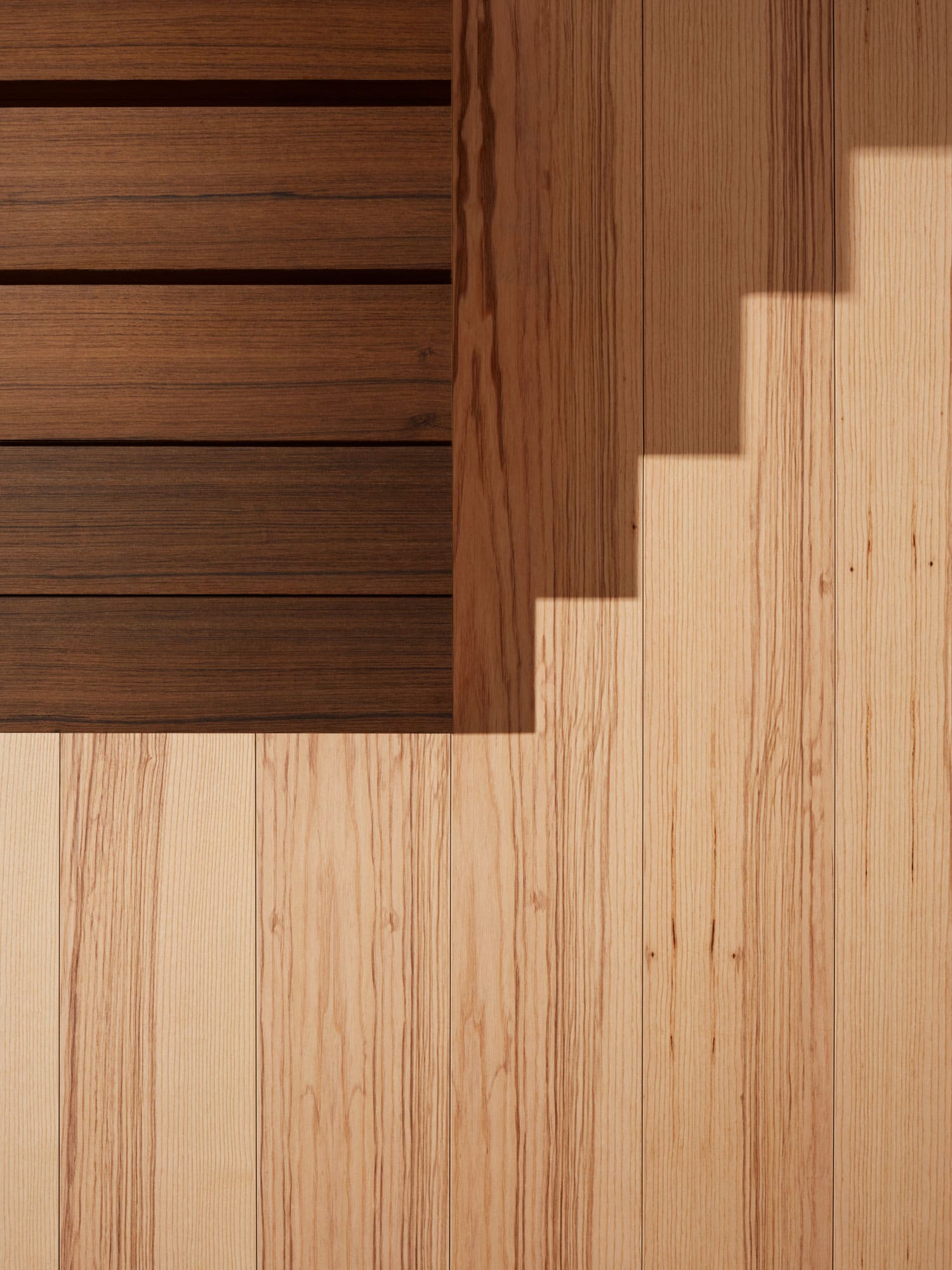
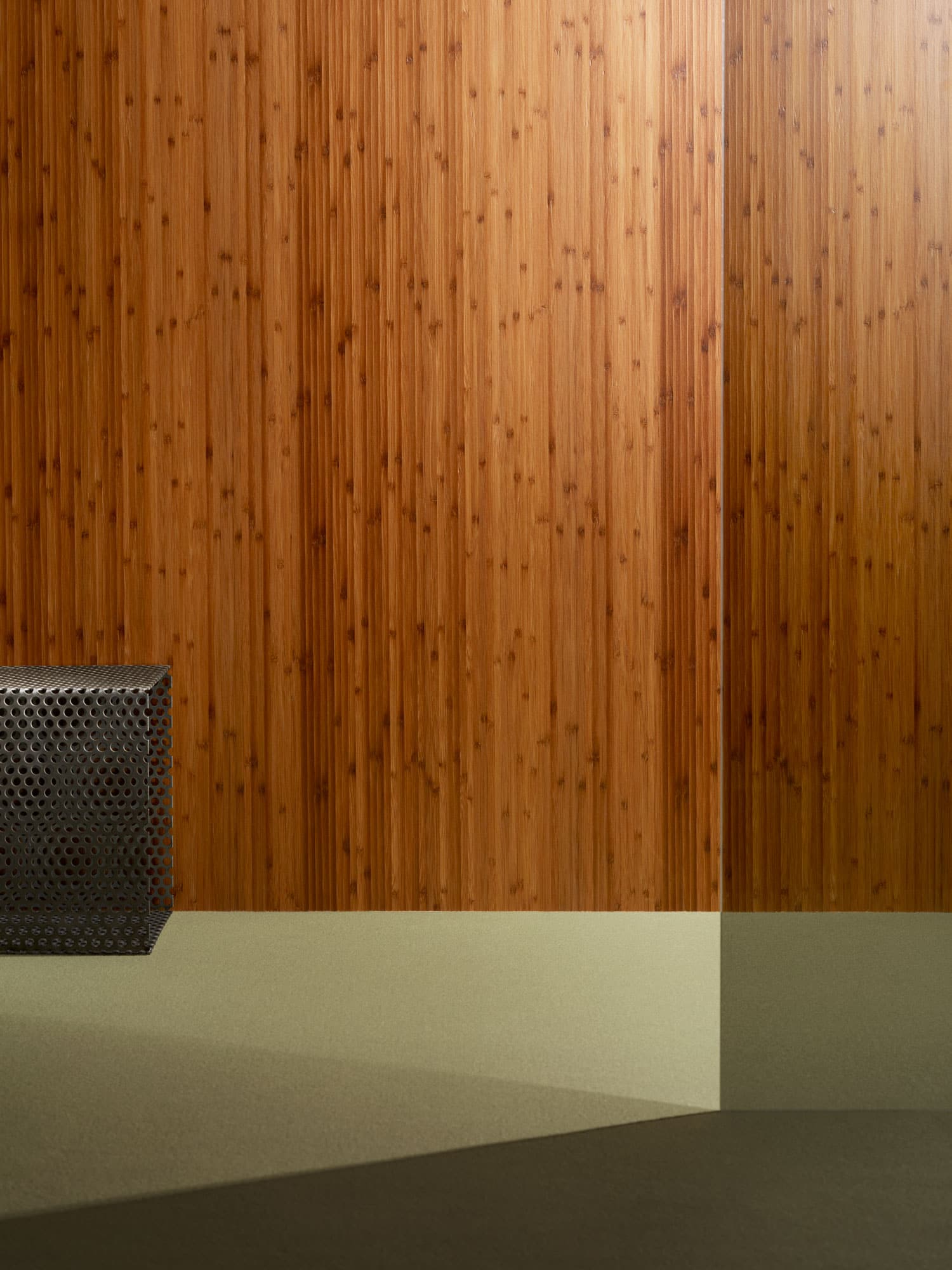
Maintenance-free wood claddings represent a revolution in the application of natural wood for exterior facades, overcoming traditional limitations that have historically restricted its use in large-scale architectural projects. These technological advancements enable architects to specify durable solutions that combine the aesthetic warmth of natural wood with technical performance comparable to synthetic materials, eliminating the operational costs associated with periodic maintenance.
Technological Evolution Toward Zero Maintenance
The development of maintenance-free natural wood technical claddings is based on the controlled modification of wood’s natural properties through advanced industrial processes. Impregnation with thermosetting resins under high-pressure and high-temperature conditions alters the cellular structure, reducing natural hygroscopicity and enhancing dimensional stability.
Multilayer coatings applied during manufacturing create a permanent protective barrier that integrates UV filters, antimicrobial agents, and hydrophobic components. This approach conceptually surpasses traditional surface treatments by providing protection from within the fibrous structure.
The multilayer structure with a high-density core, used in panels like NATURCLAD-W, combines natural wood veneers with treated fiber substrates that provide exceptional structural stability, eliminating warping and movements that traditionally required periodic adjustments and maintenance.
Technical Features That Eliminate Maintenance
Weather resistance is achieved through the incorporation of stabilizing additives that prevent degradation from UV radiation, thermal cycles, and moisture. These components act at a molecular level, protecting lignin and cellulose from photodegradation processes that cause color changes in conventional woods.
Integrated anti-graffiti surface treatments facilitate the removal of vandalism using non-aggressive methods, preserving aesthetic integrity without requiring costly restorations. This feature is particularly valuable in urban environments where exposure to vandalism is common.
Resistance to biodeterioration is ensured through the incorporation of next-generation biocides that act as permanent repellents against fungi, wood-boring insects, and microorganisms, eliminating the need for repeated biocide treatments required by conventional woods.
Validation Through Accelerated Testing
Accelerated aging tests, conducted according to international standards such as ASTM G154 and EN ISO 4892-2, validate the durability of these systems through simulations replicating decades of exposure under controlled conditions. Results demonstrate chromatic stability with variations below ΔE ≤ 3 after exposures equivalent to 25 years in harsh conditions.
Freeze-thaw cycles, per EN ISO 15148, confirm the absence of delamination or cracking after 300 extreme thermal cycles, validating their applicability in continental climates with severe temperature fluctuations.
Abrasion resistance, evaluated per EN 438-2, demonstrates that these claddings maintain their aesthetic properties after exposures simulating decades of abrasive action from wind, sand, and atmospheric particles.
Economic Impact of Zero Maintenance
Eliminating maintenance costs generates significant return on investment in the medium term. While conventional wood claddings require re-treatments every 3-5 years, with costs that can exceed 15% of the initial investment, maintenance-free systems retain their performance throughout the building’s lifespan.
In commercial and institutional projects, where maintenance interruptions lead to additional costs due to lost activity, these systems provide further economic benefits by eliminating temporary closures and disruptions to users.
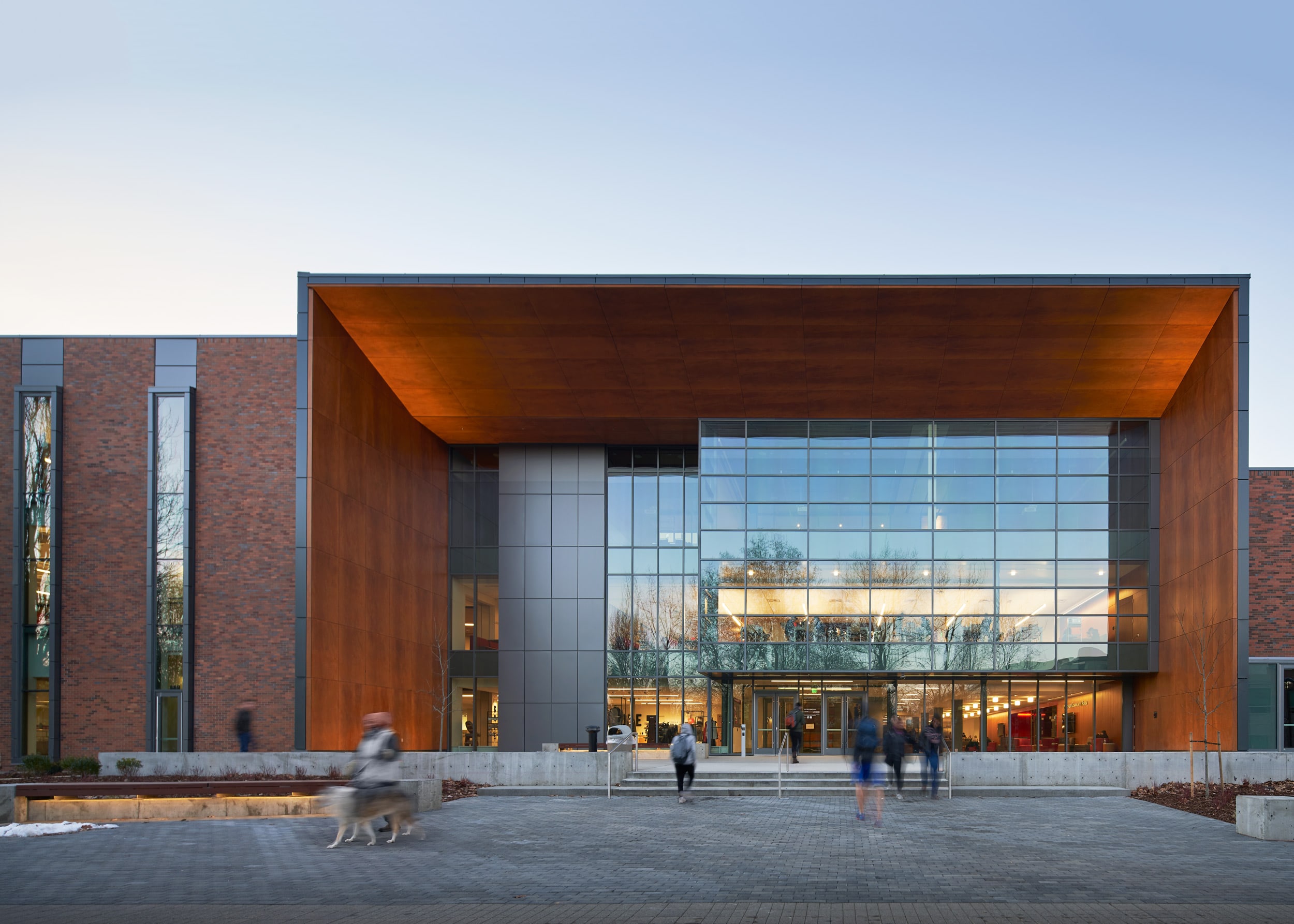
Fire-retardant GRCLAD systems exemplify how technology enables the combination of exceptional performance (fire resistance, durability, aesthetics) with minimal maintenance, opening new possibilities for applications in high-rise buildings where maintenance poses additional logistical complexities.
Sustainability and Extended Lifecycle
The extended durability of these systems significantly contributes to the sustainability of architectural projects by eliminating the need for premature replacements and reducing construction waste. The sustainable origin of the wood, certified through PEFC and FSC seals, is enhanced by maximizing the material’s lifespan.
The energy efficiency associated with ventilated facades featuring wood cladding remains consistent over decades without performance degradation, ensuring compliance with long-term energy efficiency goals.
Need specific technical advice for your project? Contact our team with no obligation to address technical questions, analyze specific requirements, or develop customized solutions.