TABLE OF CONTENTS
- 1. Concept and Foundations of Biophilic Design
- 2. Wood as an Essential Biophilic Element
- 3. Applications in Different Architectural Environments
- 4. Technical Implementation of Wood Finishes in Biophilic Design
- 5. Considerations for Specifying Natural Wood Finishes
- 6. Measurable Effects of Biophilic Design with Wood
- 7. Relevant Standards and Certifications
- 8. Frequently Asked Questions
1. Concept and foundations of biophilic design
Biophilic design represents an architectural approach based on the biophilia hypothesis, proposed by Edward O. Wilson in 1984, which posits the existence of an inherent connection between human beings and natural systems. This architectural approach seeks to strengthen the person-nature bond through the integration of natural elements into built spaces, both directly and indirectly.
There are three main categories that structure the application of biophilic design, established in the conceptual framework developed by Terrapin Bright Green in their document “14 Patterns of Biophilic Design”:
- Nature in the Space: Physical incorporation of natural elements such as vegetation, water, natural light, and ventilation.
- Natural Analogues: Representations or evocations of nature through materials, patterns, colors, or forms that recall natural elements without being them directly.
- Nature of the Space: Spatial configuration that evokes sensations or experiences encountered in natural environments, such as the feeling of refuge, prospect, or mystery.
Natural wood finishes in interiors are positioned predominantly as natural analogues, although they can also contribute to the nature of the space through their morphological characteristics. The strategic implementation of these elements has been shown to generate multiple physiological and psychological benefits, including stress reduction, improved concentration, increased productivity, and acceleration of recovery processes in healthcare settings.
Neurological research confirms that visual exposure to wood elements activates responses in the parasympathetic nervous system similar to those experienced in forest environments, evidencing a profound biological response to this natural material that goes beyond the merely aesthetic.
2. Wood as an essential biophilic element
Natural wood constitutes one of the quintessential biophilic materials due to its intrinsic characteristics that connect directly with our senses and unequivocally evoke nature. Sensory interaction with wood is multidimensional:
- At the visual level, the heterogeneous patterns of grains and knots create an organized complexity that the human brain processes similarly to how it interprets natural patterns. Studies conducted by institutions such as the University of British Columbia have demonstrated that these patterns provoke micro-stimuli in the brain that reduce attentional fatigue and generate states of “soft fascination,” a type of attention that allows cognitive restoration.
- Tactilely, the characteristic texture of wood provides a haptic experience rich in information. The variation in surface temperature, significantly warmer than materials like metal or concrete, creates a psychological thermal comfort sensation that transcends objective measurements of ambient temperature.
- The acoustic properties of wood contribute to creating balanced sound environments. Its selective absorption and diffusion characteristics for frequencies generate spaces where reverberation resembles that experienced in natural environments like forests, avoiding both the anechoic chamber effect and excessive reverberation.
- From the olfactory perspective, the natural volatile organic compounds (VOCs) emitted by wood, primarily terpenes, generate documented psychophysiological effects, including blood pressure reduction and activation of positive immunological responses similar to those experienced during “shinrin-yoku” or forest bathing.
Parklex Prodema’s natural wood paneling, by preserving these sensory properties while incorporating technical improvements in durability and maintenance, proves particularly effective as biophilic elements in contemporary architecture.
3. Applications in different architectural environments
The versatility of wood finishes allows for their strategic incorporation into various architectural environments, adapting to the specific needs of each building typology:
Healthcare environments
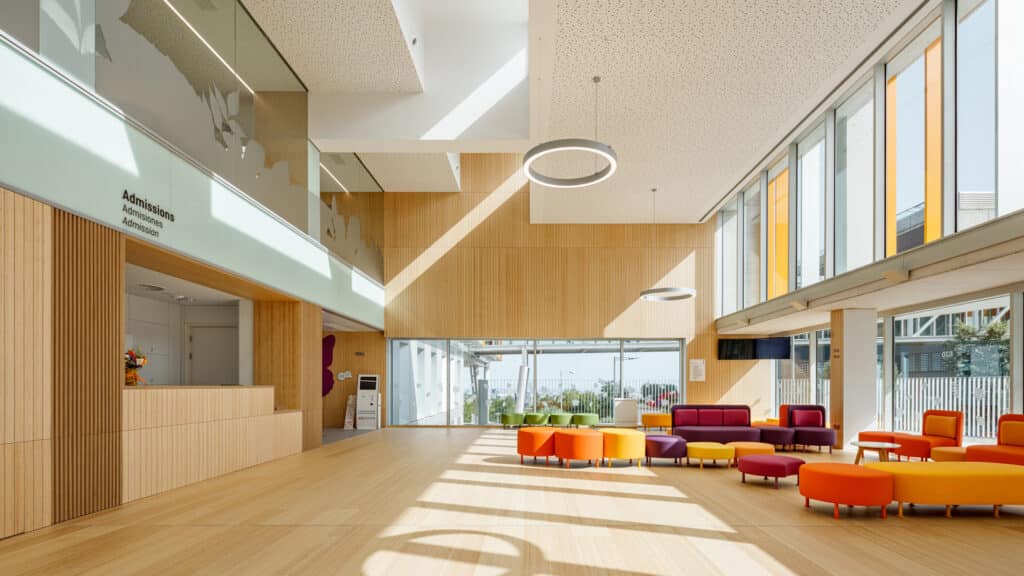
Natural wood finishes contribute to creating what Roger Ulrich termed “supportive healing environments.” The Örebro University Hospital in Sweden documented an 18% reduction in analgesic administration in areas incorporating natural wood panels compared to those with synthetic finishes. High-performance fire-resistant wood finishes, such as Parklex Prodema’s NATURPANEL-W or NATURHARDPANEL-W, enable these benefits even in areas with stringent fire resistance requirements, while also offering an antibacterial surface ideal for healthcare settings.
Educational spaces
Studies conducted in Austria comparing classrooms with natural wood finishes to conventional ones showed an 8.5% reduction in students’ heart rates and lower perceived stress during assessments. The University of Oregon recorded improvements in concentration and academic performance in spaces where at least 20% of visible surfaces incorporated natural wood.
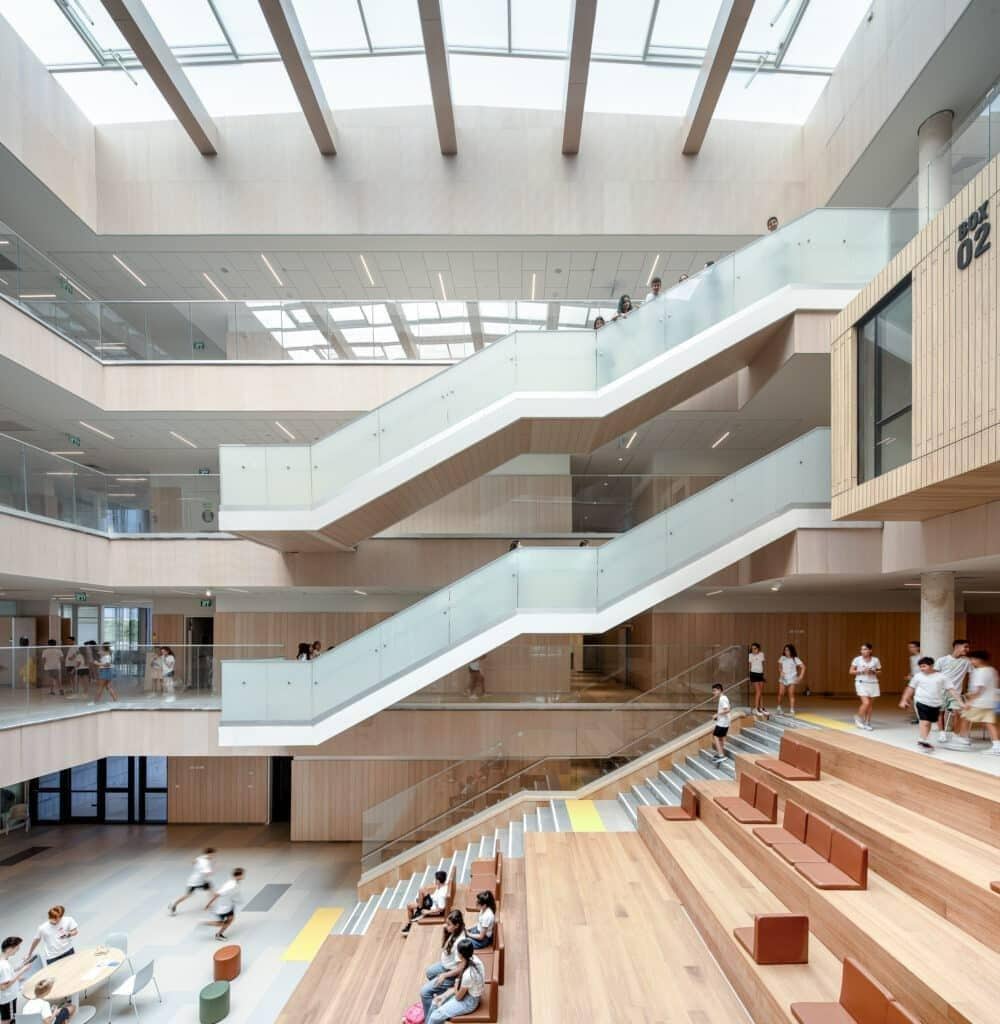
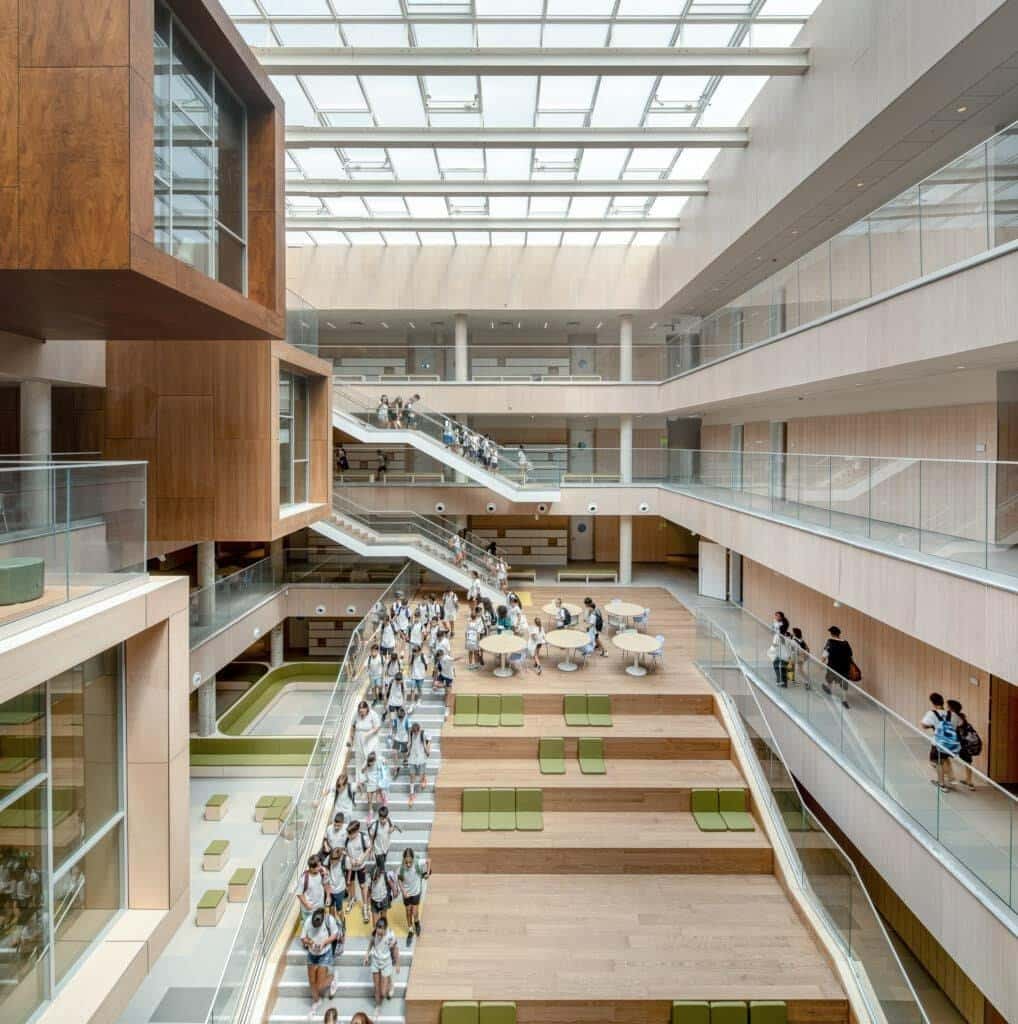
Naomi Shemer Elementary School, Regavim+Architects
Corporate environments
The implementation of biophilic strategies using wood finishes has shown reductions in absenteeism (up to 15%, according to Human Spaces studies) and productivity increases (8-15%, per various research). Atlassian’s offices in Australia are a paradigmatic case, where wood paneling on walls and ceilings form part of a comprehensive biophilic strategy with quantifiable results in employee satisfaction and performance.
Residential spaces
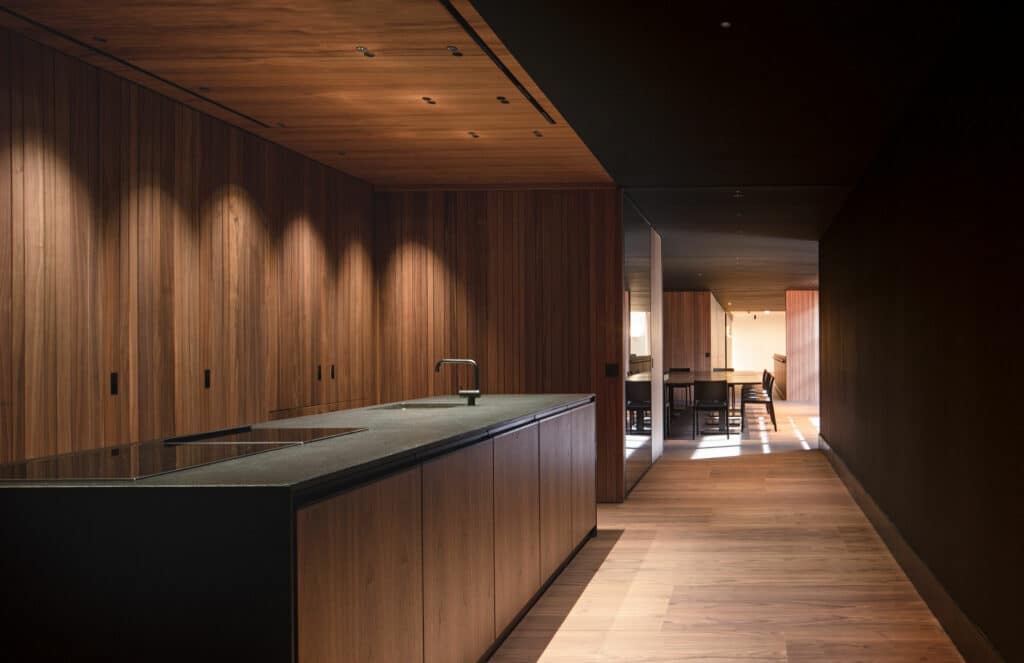
Natural wood helps reduce what is known as “nature deficit,” particularly relevant in densely urbanized environments. A longitudinal study by the University of Tampere in Finland demonstrated significant correlations between the presence of natural wood elements in homes and lower cortisol levels (stress hormone) in residents, with cumulative positive effects over time.
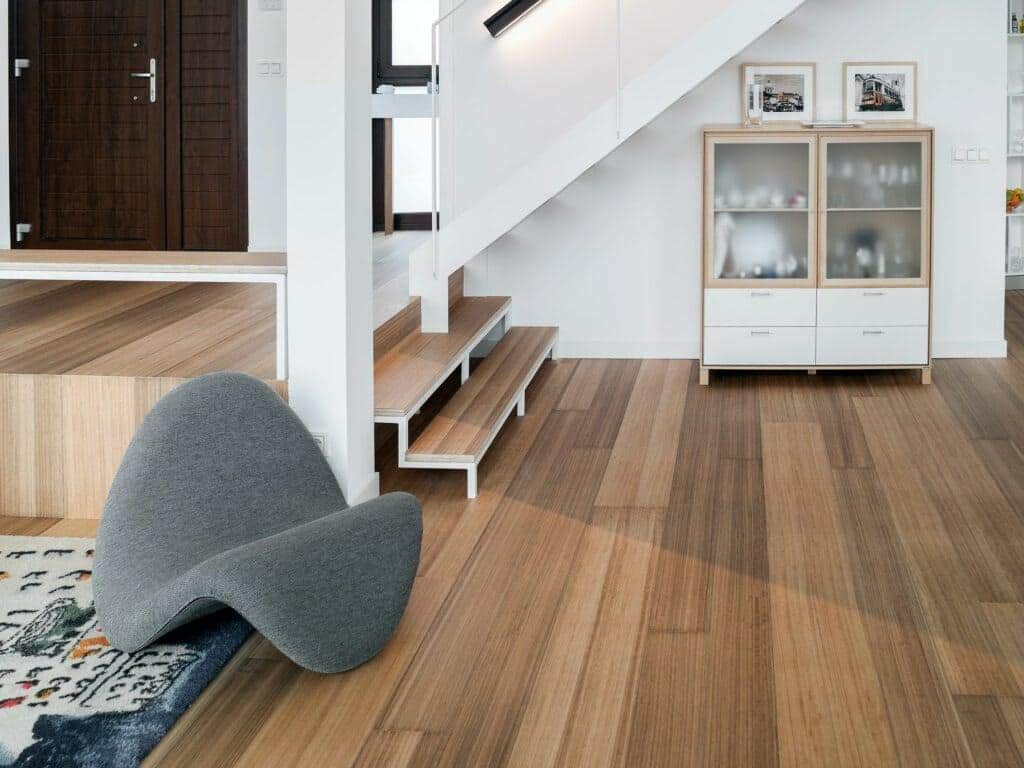
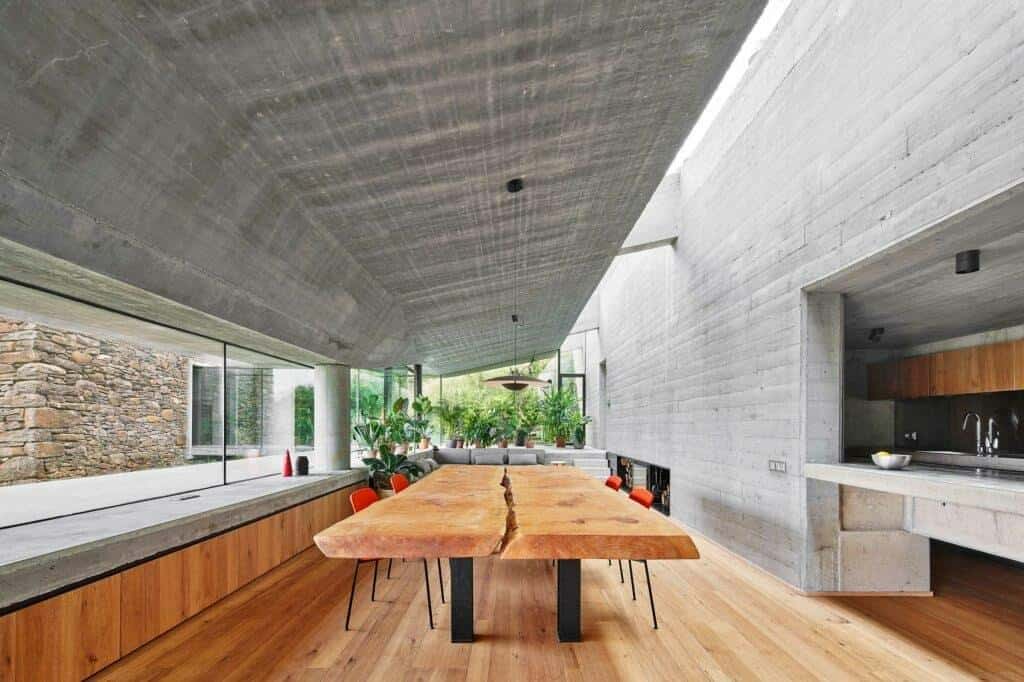
Villa in Atotxa-Erreka, Izaskun Larzabal / Landaburu Borda Rural House, Jordi Hidalgo Tané
Commercial spaces
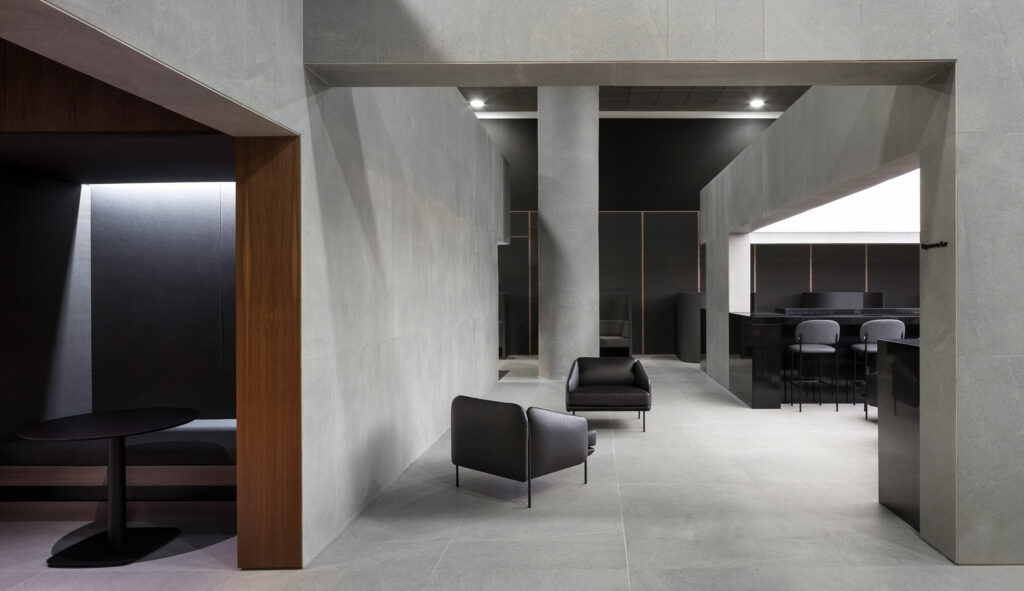
Consumer neuroscience research has documented a 15-23% increase in dwell time and a 9% improvement in product valuation when displayed in environments with natural elements, including wood finishes. The Emporia shopping center in Malmö, Sweden, incorporates natural wood finishes in rest areas, creating “biophilic islands” that have significantly increased visitor dwell time.
4. Technical implementation of wood finishes in biophilic design
The effective implementation of wood finishes as biophilic elements requires a precise technical approach that maximizes their sensory benefits while ensuring functionality and durability:
Selection of species and finishes
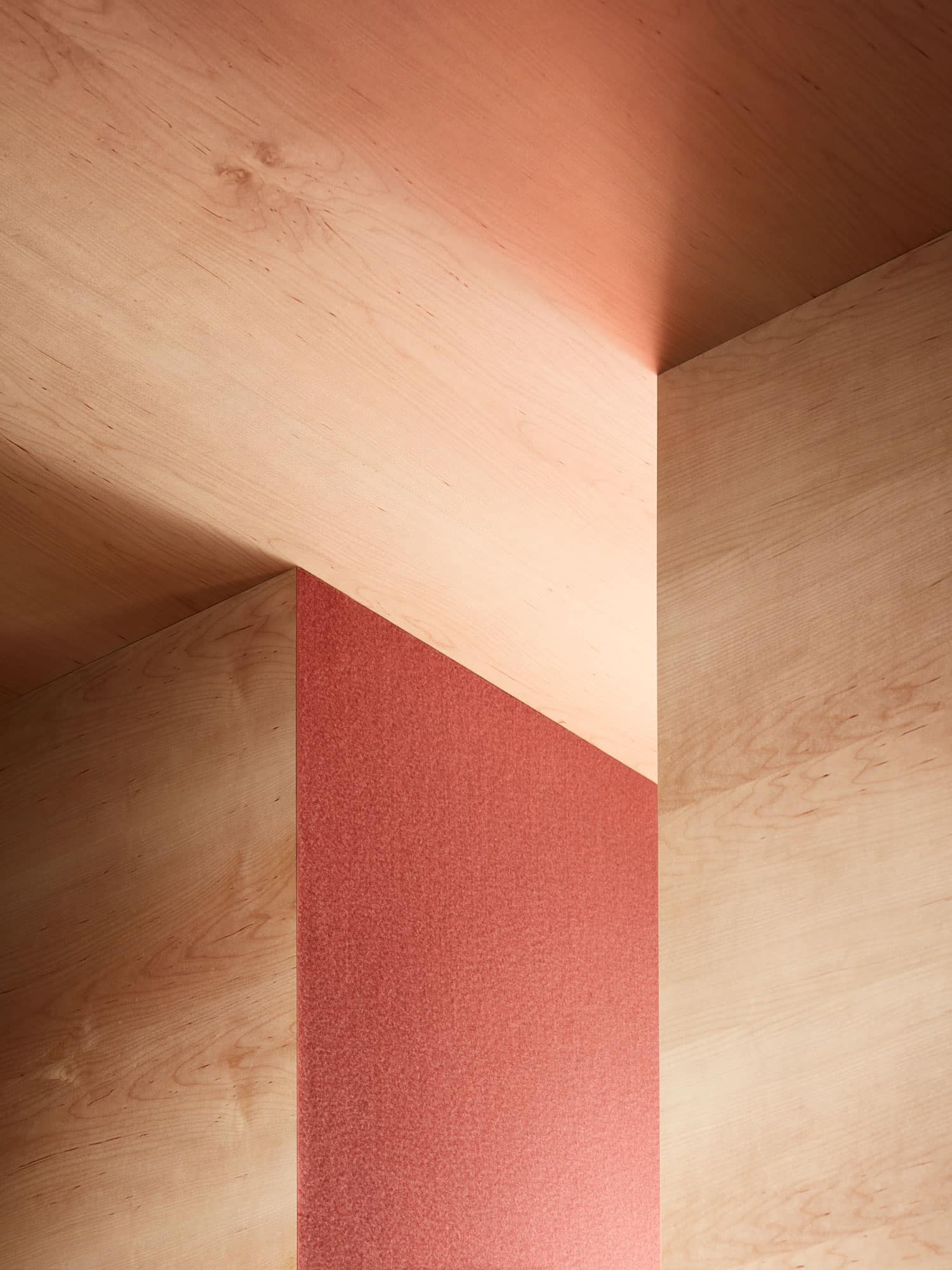
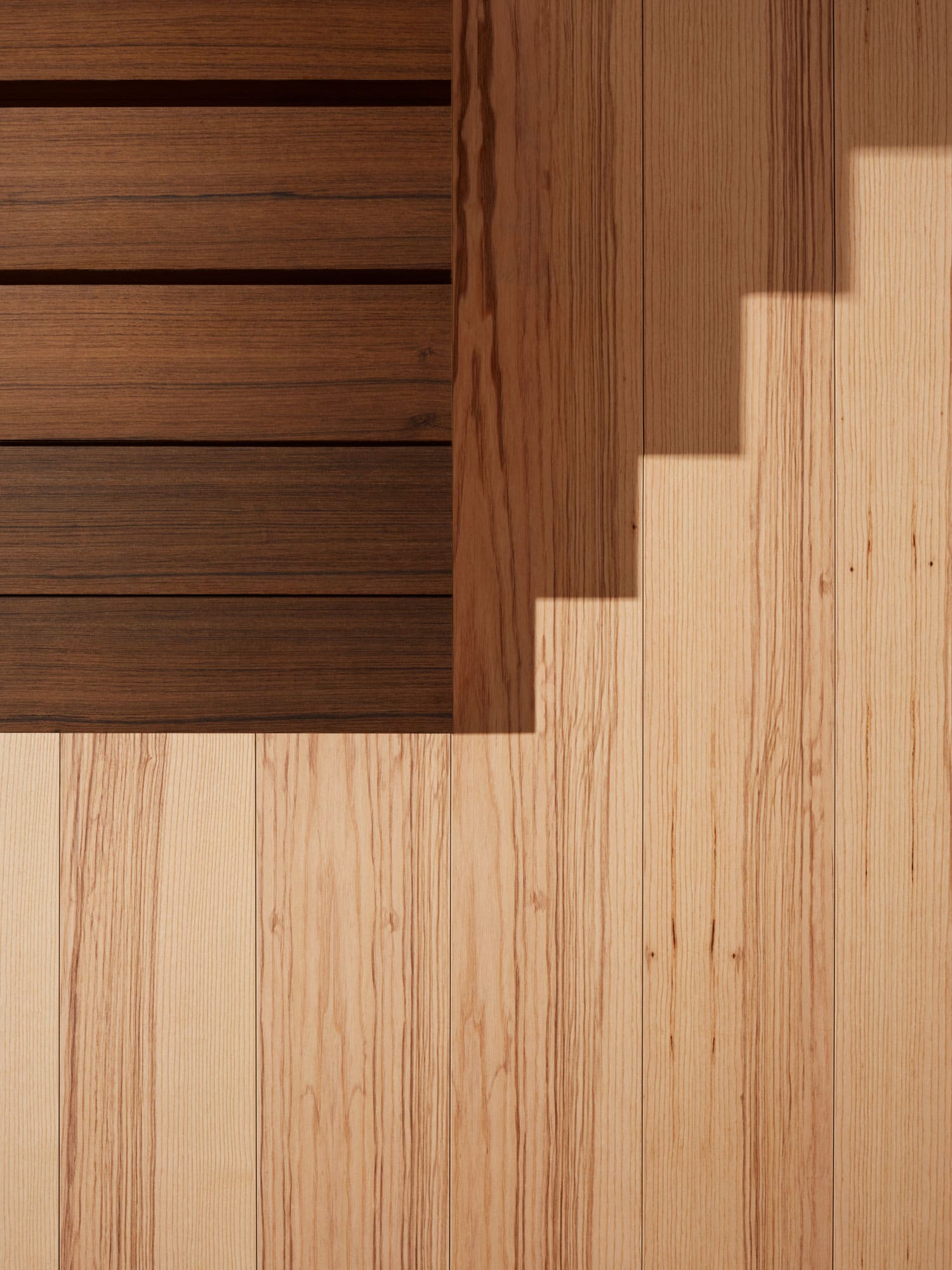
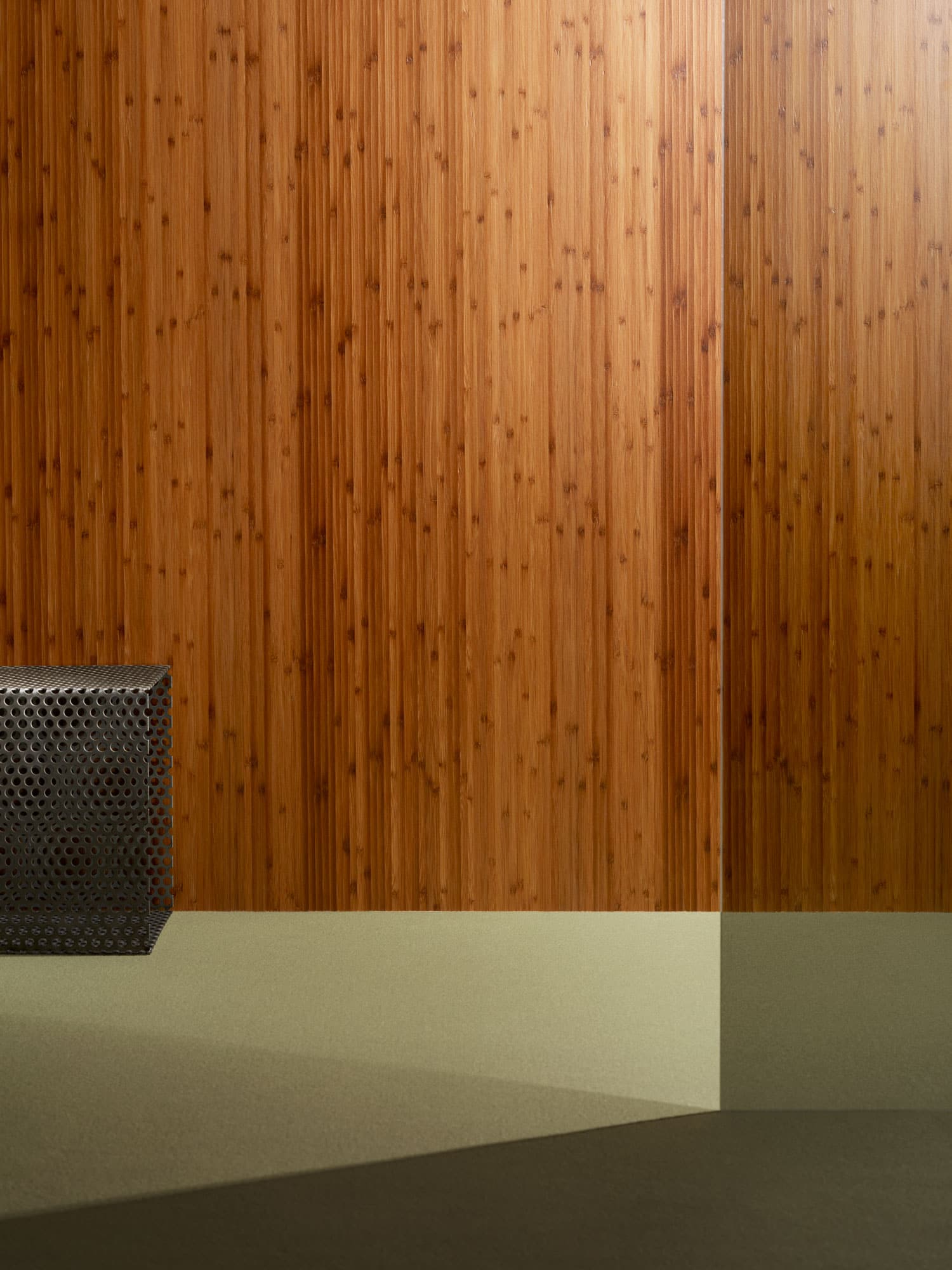
The specific selection of species and finishes has significant implications for biophilic perception. Species with pronounced grain patterns, such as oak, American walnut, or grey eucalyptus, provide greater visual stimulation and cognitive benefits associated with processing complex patterns. In contrast, species like birch or maple, with subtler grain patterns, may be more suitable for spaces aiming to reduce sensory stimulation, such as hospital recovery areas or meditation spaces.
Surface coverage
The optimal percentage of clad surfaces to achieve biophilic benefits has been the subject of various studies. Research from the University of Washington suggests a minimum threshold of 15% of visible surfaces with natural materials to produce measurable effects, with benefits maximized when this percentage reaches 40-45%. Exceeding this threshold can be counterproductive, leading to sensory overload.
Spatial arrangement
The strategic spatial arrangement of finishes should consider movement and dwell patterns. Eye-tracking studies demonstrate that incorporating natural wood elements in the peripheral visual field (15-60° from the central axis) is particularly effective in generating a sense of well-being without distracting from primary tasks. In transitional spaces, such as hallways or lobbies, wood finishes can be applied to entire vertical surfaces, while in spaces for prolonged stays, they are more effective when applied to strategic focal areas.
Wood facades
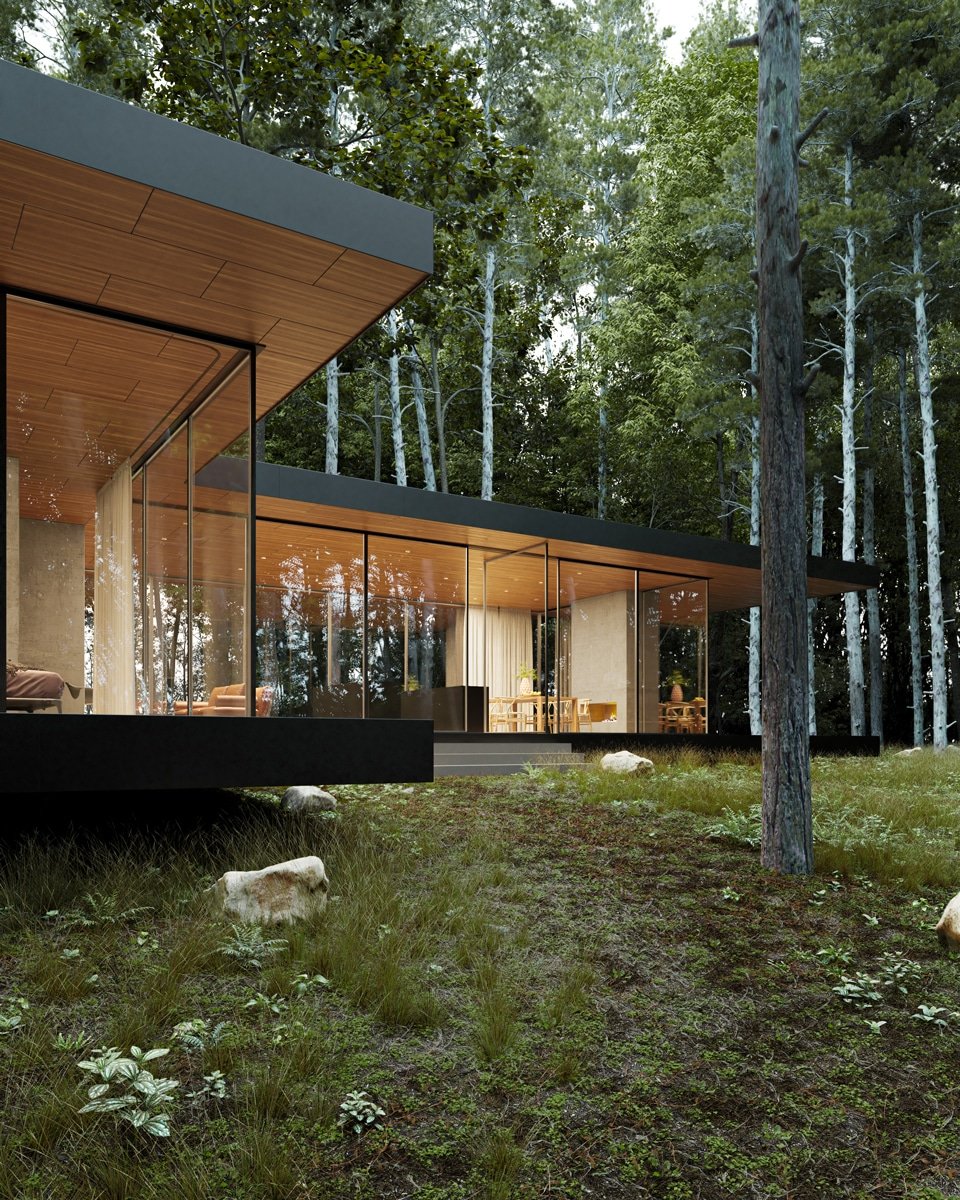
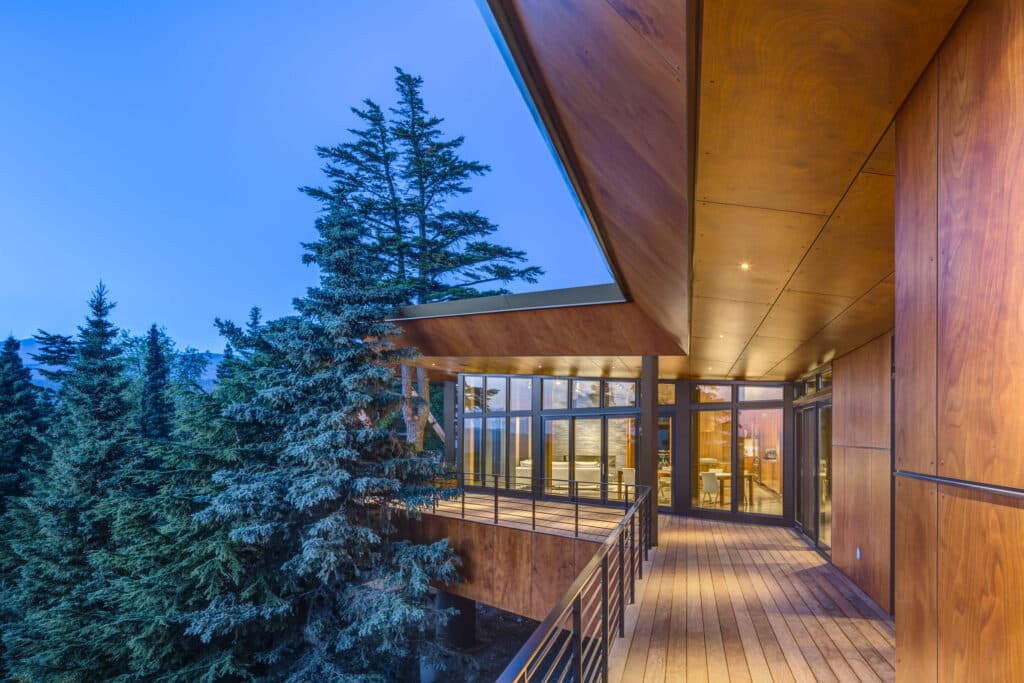
Implementation in ventilated facade systems with panels like Parklex Prodema’s NATURCLAD-W allows for gradual transitions between exterior and interior, extending the biophilic experience. This approach, termed “biophilic gradient,” has been shown to enhance positive psychophysiological effects by creating spatial sequences that progressively increase the presence of natural elements.
Integration with other elements
Integration with other biophilic elements, such as natural lighting, vegetation, or acoustic systems, should be planned holistically. Natural wood interacts synergistically with natural light, altering its reflective properties throughout the day and creating dynamic environments responsive to circadian cycles. NATURSOFFIT-W panels, when installed in covered outdoor suspended ceilings, enable transitional spaces that optimally combine filtered natural light and the presence of wood.
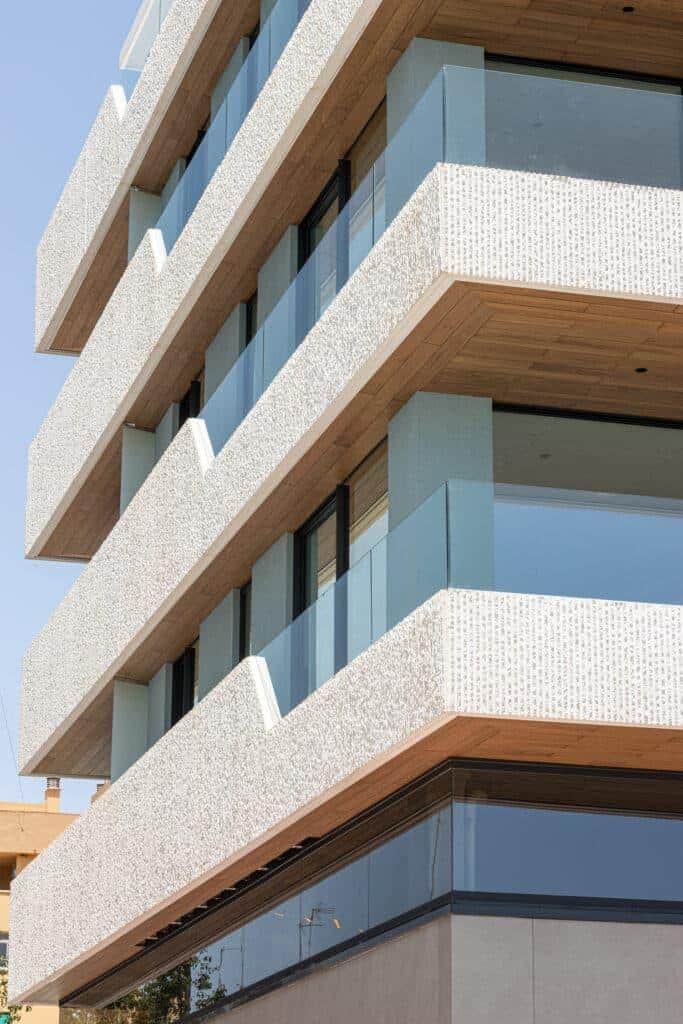
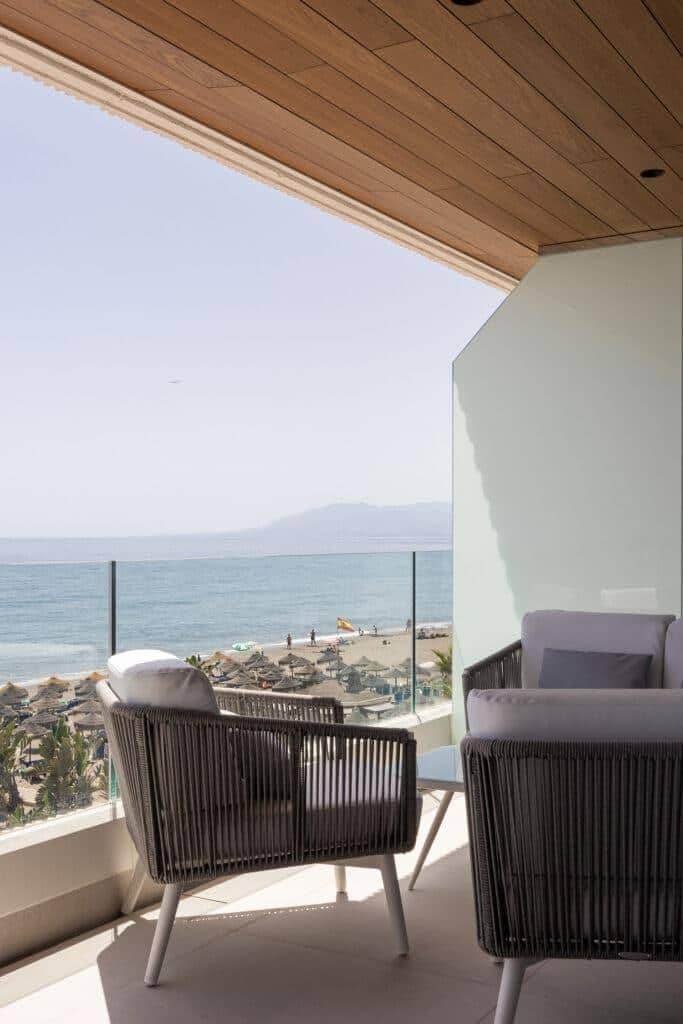
Mediterranean 176 Residential Building, Figuerola Arquitectos / Impuls Arquitectura
5. Considerations for specifying natural wood finishes
The technical specification of wood finishes for biophilic applications requires balancing aesthetic, functional, environmental, and regulatory aspects:
Durability and maintenance
High-performance natural wood finishes, such as Parklex Prodema’s NATURCLAD and NATURSIDING panels, with their core of fibers treated with thermosetting resins and UV-resistant exterior coating, provide the appearance and sensory qualities of natural wood with minimal maintenance requirements. This characteristic is crucial for sustaining biophilic benefits over the long term without the operational costs associated with untreated natural wood finishes.
Performance combating fire
Current building regulations, particularly for public buildings, require specific fire reaction classifications. Fire-resistant panels with a fiberglass-reinforced core, such as GRCLAD, enable biophilic designs even in high-rise buildings or areas with strict safety requirements, while maintaining the visual and tactile properties of natural wood.
Acoustic conditioning
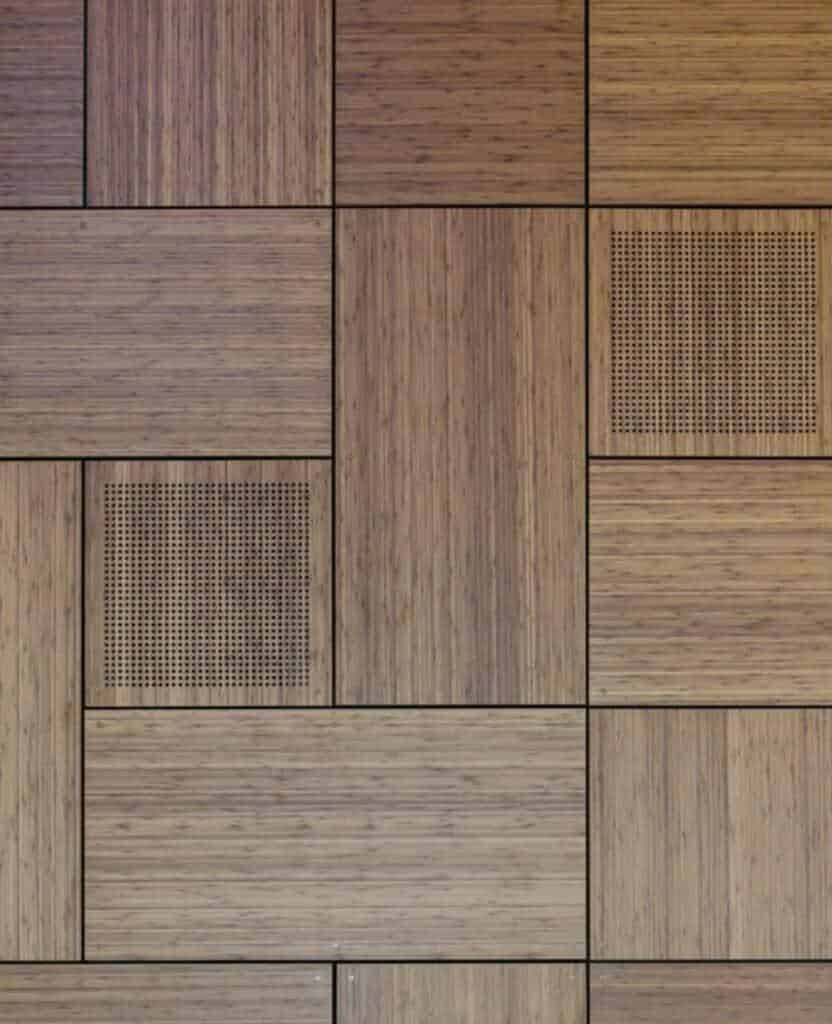
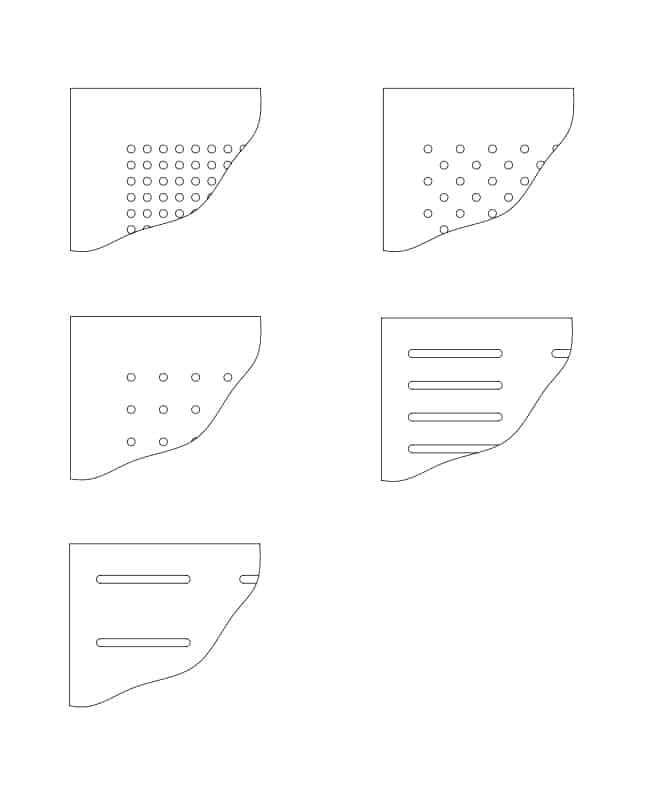
Acoustic contribution must be considered within the comprehensive biophilic strategy. Natural wood panels can be enhanced with perforations or grooves to improve their acoustic performance, particularly in the mid-frequency range (500-2000 Hz), which is especially relevant for human speech intelligibility and where excessive reverberation causes greater cognitive fatigue.
Sustainable sourcing
Studies show that the perception of biophilic benefits is enhanced when users are aware of the sustainable origin of materials. PEFC and FSC certifications for Parklex Prodema products ensure that the wood comes from sustainably managed forests, which not only provides environmental credibility but also enhances the positive psychological effects of biophilic design.
Integration with building systems
Fastening systems–visible, concealed with plugs, concealed with hooks, or adhesive–must be selected considering not only technical aspects but also their contribution to the biophilic experience. Concealed fastening systems maximize the perception of naturalness, while visible fastenings with screws painted in tones similar to the panel can be integrated as part of the design when used rhythmically and orderly.
6. Measurable effects of biophilic design with wood
The application of biophilic design using wood finishes generates quantifiable impacts across various physiological, psychological, and economic parameters:
Physiologically, multiple studies have documented significant reductions in stress indicators. Research conducted by Kyoto University measured decreases of up to 12% in salivary cortisol levels and an average 7% reduction in systolic blood pressure after 15 minutes of exposure to spaces with predominant natural wood finishes, compared to identical spaces with synthetic finishes.
Neurologically, studies using electroencephalography (EEG) have identified increases in alpha activity in the brain’s frontal regions (indicative of relaxed alertness) when subjects interact with spaces incorporating natural wood. These brain activity patterns are similar to those observed during meditative practices and states of mindfulness.
From a respiratory perspective, an 8% increase in heart rate variability (HRV), an indicator of autonomic nervous system balance, and more regular and deeper breathing patterns have been documented in spaces with natural wood finishes, particularly when these occupy more than 25% of the visual field.
Cognitively, studies on performance in tasks requiring sustained attention show 13-15% improvements in accuracy and response times in spaces with biophilic wood elements compared to control environments. Additionally, creativity assessments using standardized tests, such as Guilford’s Alternative Uses Test, show significant increases in fluency and originality.
The economic return of these improvements is reflected in different metrics depending on the building typology:
- In healthcare settings: an average 15% reduction in hospital stays.
- In educational spaces: a 12% improvement in sustained attention test results.
- In offices: a 10% reduction in absenteeism and an 8% increase in productivity.
- In commercial spaces: a 15-20% increase in dwell time
These metrics allow for calculating the return on investment (ROI) of implementing biophilic strategies with wood finishes, considering the initial cost differential against the cumulative benefits over the building’s lifespan.
7. Relevant standards and certifications
The integration of wood finishes in biophilic design strategies must comply with specific technical standards and can benefit from various certifications:
European and international standards
In the European context, the EN 13501 standard establishes fire performance requirements, particularly relevant for interior finishes and facades. GRCLAD-W panels with a fiberglass-reinforced core achieve B-s1,d0 classifications, allowing their use without compromising biophilic benefits.
For ventilated facade applications, national technical documents such as DIT Plus (Spain), ATT (France), or Zulassung (Germany) certify compliance with country-specific requirements. At the European level, the European Technical Assessment (ETA) ensures compliance with essential requirements across the EU.
Sustainability certifications
In terms of sustainability, forest certifications like PEFC and FSC guarantee the sustainable origin of wood, a fundamental factor for the credibility of the biophilic approach. Environmental Product Declarations (EPDs) compliant with ISO 14025 allow quantification of the environmental impact across the wood’s entire life cycle.
Building certification systems such as LEED, BREEAM, or WELL incorporate specific criteria related to biophilic design. WELL, in particular, includes the feature “Mind 87: Beauty and Design,” which explicitly values the incorporation of natural elements like wood for their effects on occupant well-being.
Additional standards
For specific environments, additional standards apply. In healthcare settings, the UNE 100713 standard on air conditioning establishes material requirements that can be complemented by international guidelines like the Facility Guidelines Institute (FGI), which recognizes the therapeutic value of biophilic elements such as natural wood finishes.
In educational environments, standards like ANSI/ASA S12.60 on classroom acoustics can be met by integrating acoustic panels with a natural wood appearance, maximizing both the cognitive benefits of biophilic design and speech intelligibility.

8. Frequently asked questions
What is the minimum percentage of surface area that should be covered with wood finishes to achieve biophilic benefits?
Research indicates that a minimum threshold of 15% of visible surfaces with natural materials like wood is necessary to generate measurable biophilic effects. Benefits are optimized when this percentage reaches 40-45% of the surfaces in the primary visual field.
How does the choice of wood species affect the biophilic experience?
The selection of wood species significantly influences perception and benefits. Woods with pronounced grain patterns, such as oak, walnut, or eucalyptus, provide greater visual stimulation and cognitive benefits associated with processing complex patterns. Species with subtler grains, like birch or maple, are more suitable for spaces requiring lower sensory stimulation.
Are natural wood finishes compatible with strict fire safety regulations?
Yes, technical panels like Parklex Prodema’s GRCLAD-W, with a fiberglass-reinforced core, meet B-s1,d0 classifications under EN 13501, allowing their use in high-rise buildings and evacuation routes without compromising the biophilic benefits of natural wood.
What is the difference between solid wood and high-performance natural wood finishes in terms of biophilic benefits?
Comparative studies between solid wood and high-performance natural wood finishes show that, as long as key sensory properties (visual appearance, texture, surface thermal properties) are maintained, biophilic benefits are comparable. Technical finishes offer additional advantages in durability, maintenance, and fire performance.
How do wood finishes interact with other biophilic elements like natural lighting?
Natural wood has dynamic reflective properties that interact favorably with natural light, altering its qualities throughout the day and creating environments responsive to circadian cycles. This interaction enhances physiological benefits by reinforcing the synchronization of biological rhythms with natural light cycles.
Are there any contraindications for using wood finishes in biophilic strategies?
In environments with strict microbiological control requirements, such as operating rooms or clean rooms, natural wood finishes may not be the most suitable option without specific antimicrobial treatments. However, in most spaces, including other healthcare areas, the biophilic benefits significantly outweigh any negative considerations when technically appropriate products are selected.
How can the return on investment (ROI) of implementing wood finishes as a biophilic strategy be quantified?
ROI can be calculated by considering: 1) Differential initial costs compared to conventional finishes, 2) Reduced operational costs (lower absenteeism, reduced staff turnover), 3) Increased productivity or performance depending on the building type, 4) Greater durability and lower maintenance of technical solutions like NATURCLAD or NATURHARDPANEL compared to other alternatives. Real-world case studies show typical payback periods of 3-5 years.