Blog
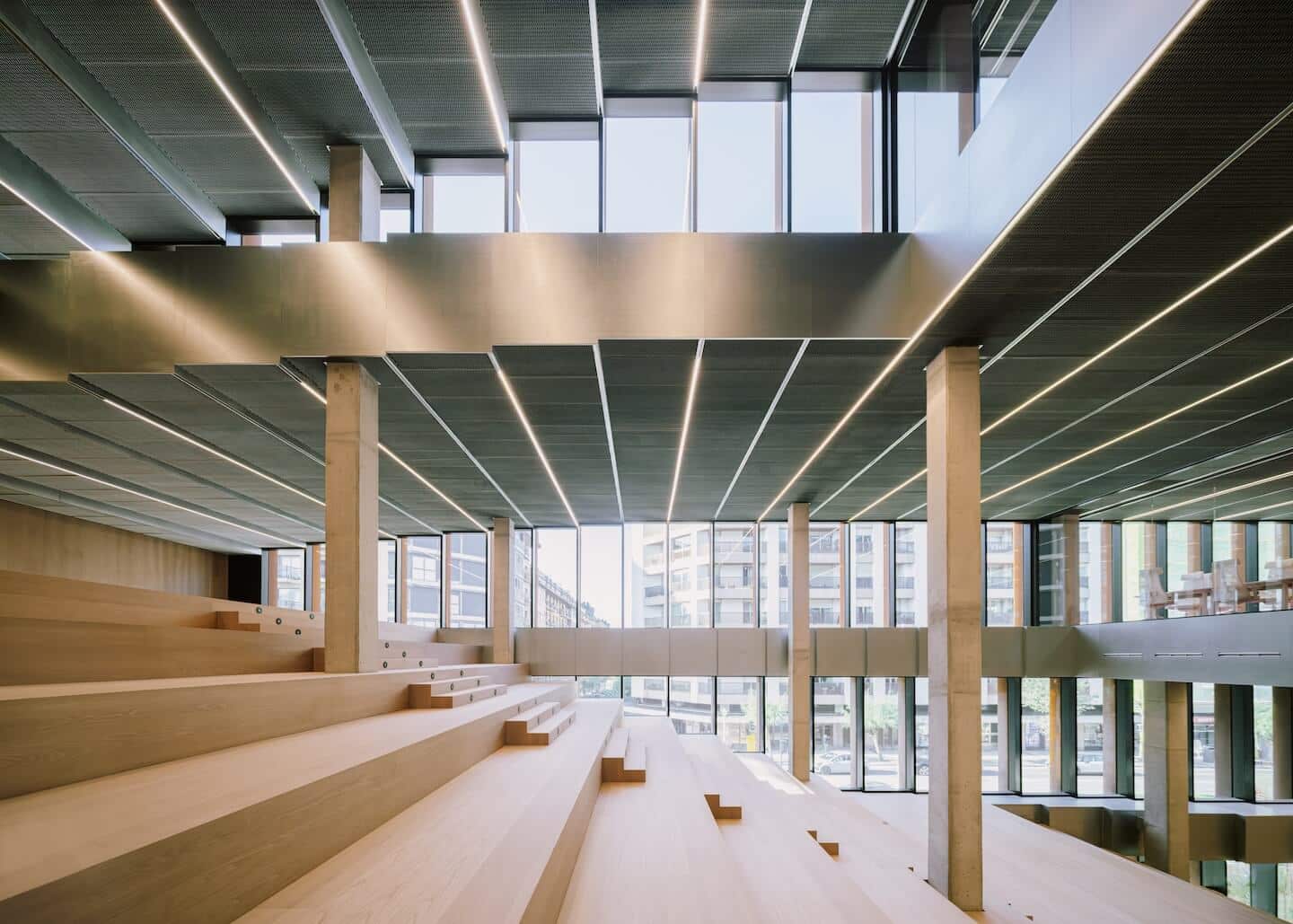
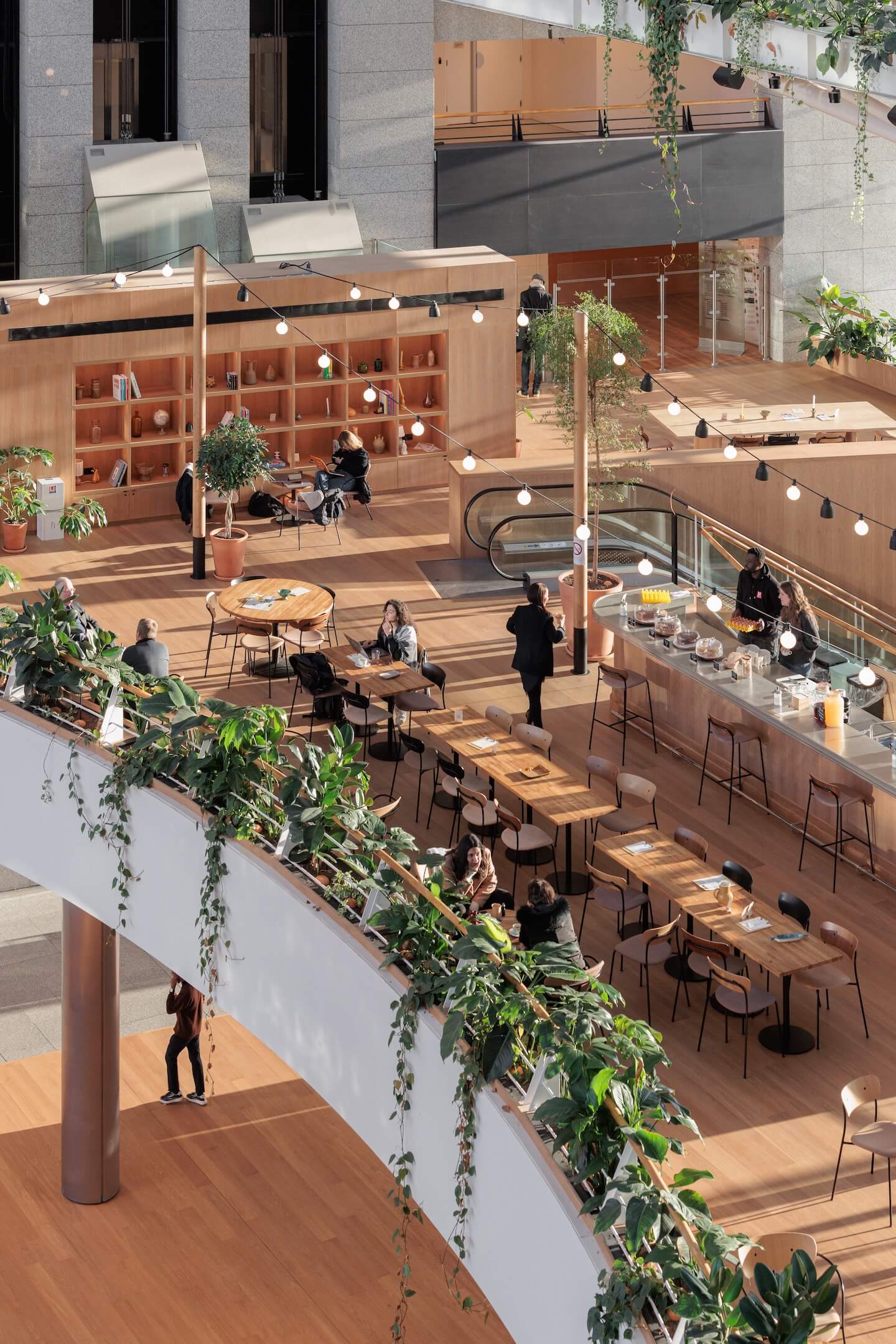
En el panorama actual del interiorismo, donde la búsqueda de materiales honestos, cálidos y duraderos se ha convertido en una prioridad, el roble destaca como uno de los acabados más versátiles y evocadores.
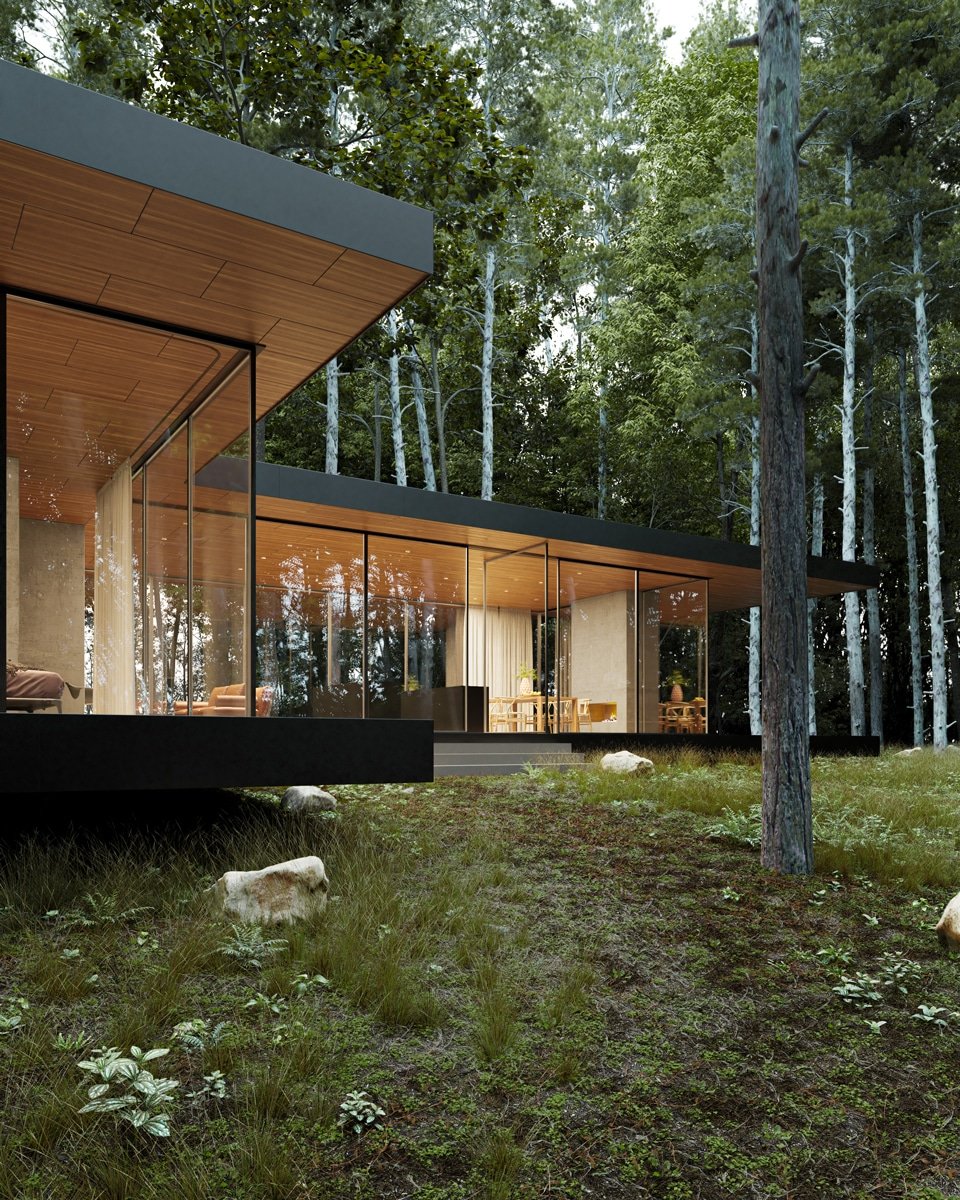
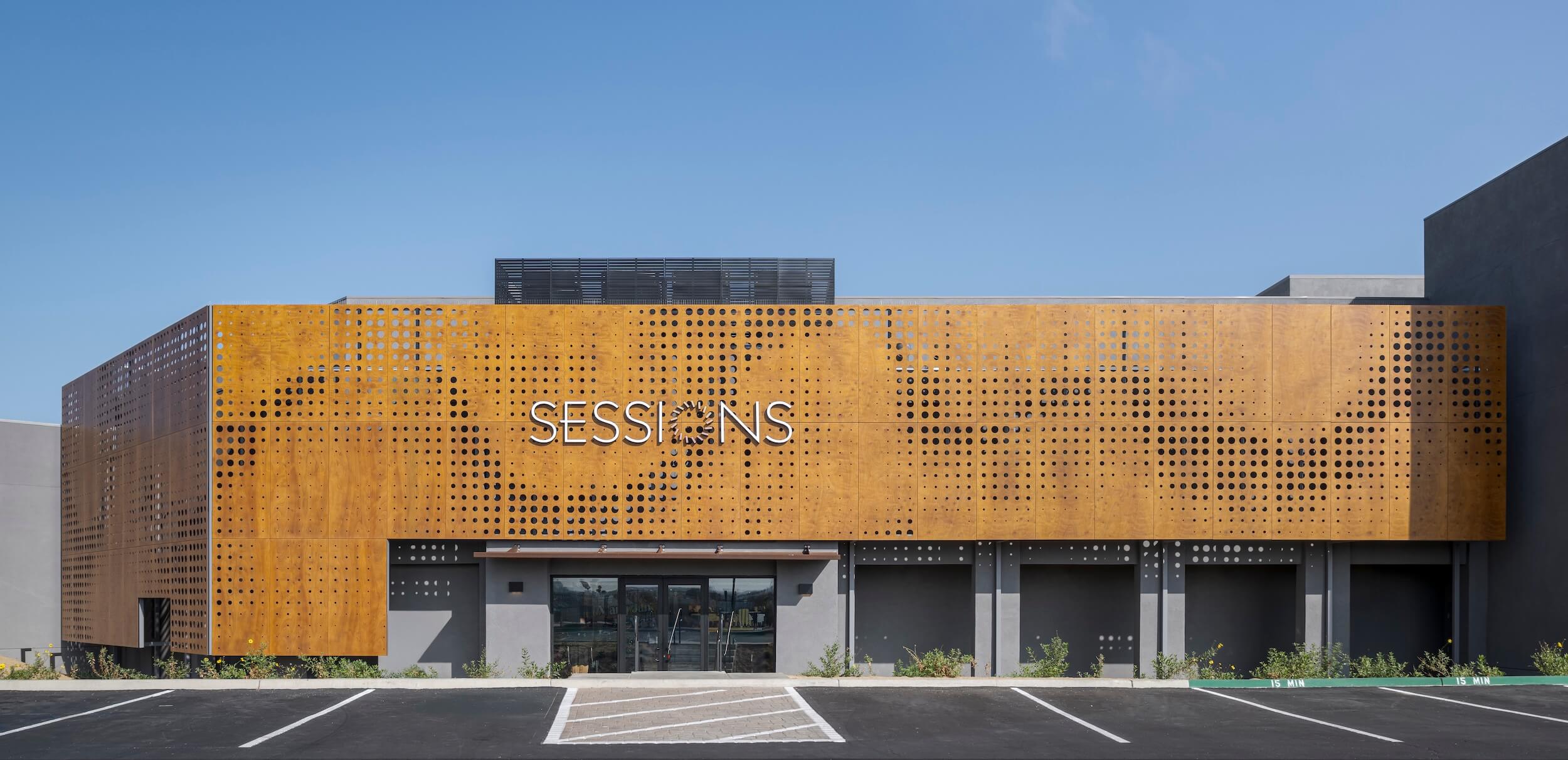
Maintenance-free wood claddings represent a revolution in the application of natural wood for exterior facades, overcoming traditional limitations that have historically restricted its use in large-scale architectural projects. These technological advancements enable architects to specify durable solutions that combine the aesthetic warmth of natural wood with technical performance comparable to synthetic materials, eliminating the operational costs associated with periodic maintenance.
Xylophagous insects pose a significant threat to the durability of wood claddings in exterior applications. These organisms, including termites, woodworms, and other beetles, can compromise both the structural integrity and aesthetic appeal of wooden facades if adequate protection strategies are not implemented. For architects specifying natural wood claddings, understanding the available protection systems and their effectiveness in different geographic and climatic contexts is crucial.
Ultraviolet radiation is one of the primary factors causing aesthetic degradation in exterior wood claddings. This phenomenon, known as photodegradation, particularly affects the lignin in the wood’s cellular structure, leading to irreversible chromatic changes and loss of surface properties. For architects, protecting wood claddings from UV radiation is crucial to ensuring the long-term preservation of their original color and appearance.
Request more information
Any questions about our products or services? Contact us to resolve any questions or queries you may have.
Contact usPanels with natural timber
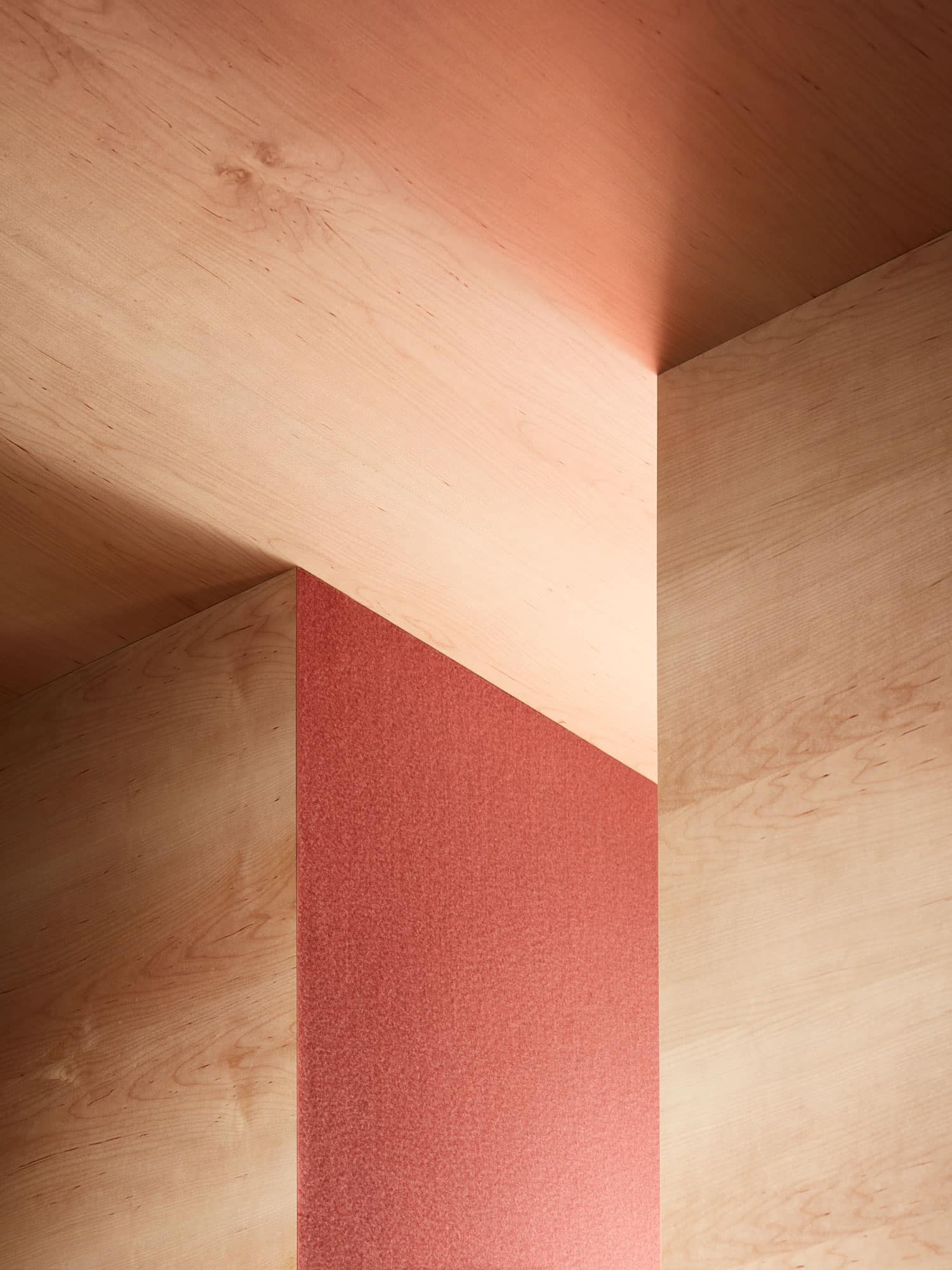
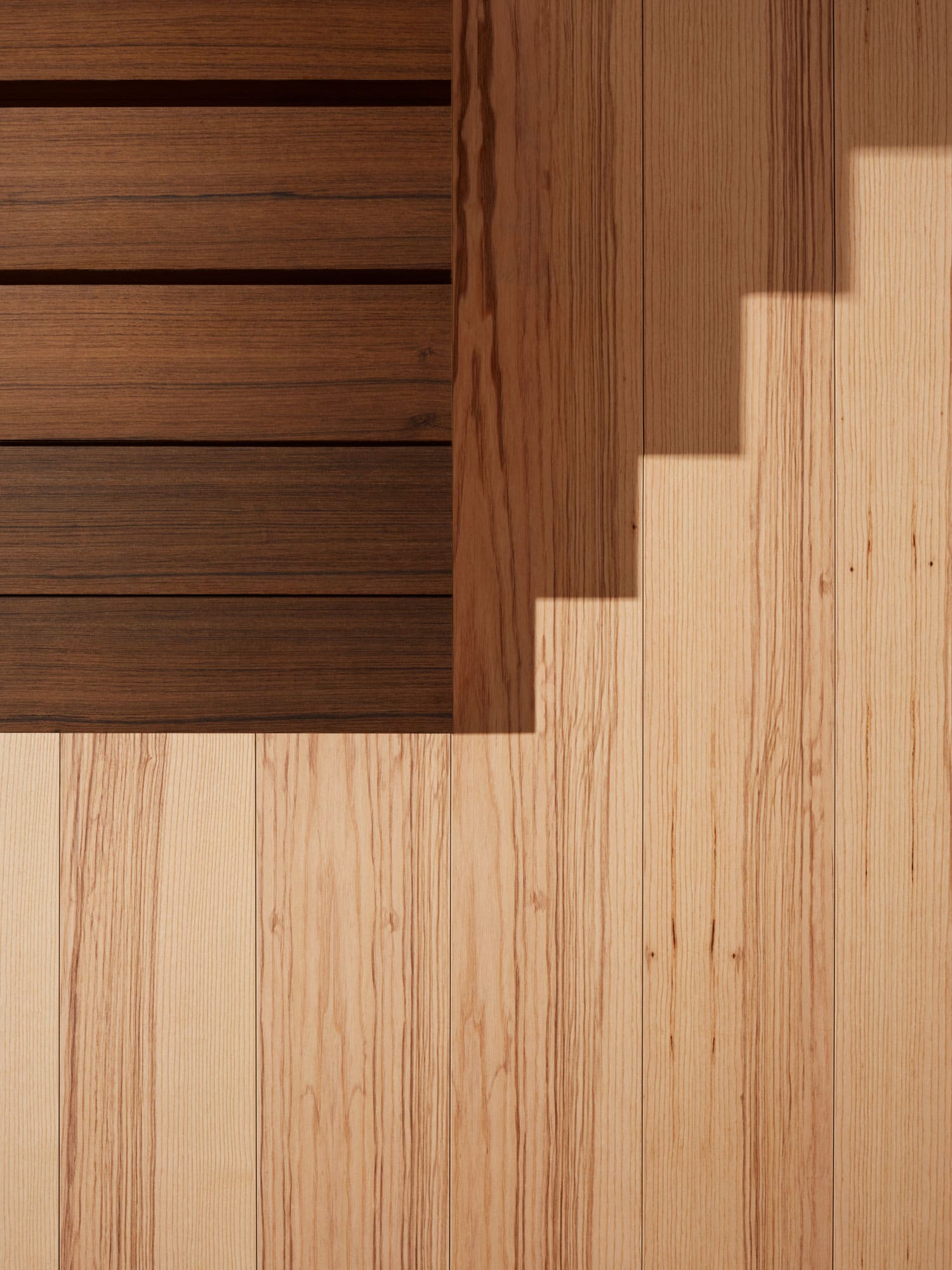
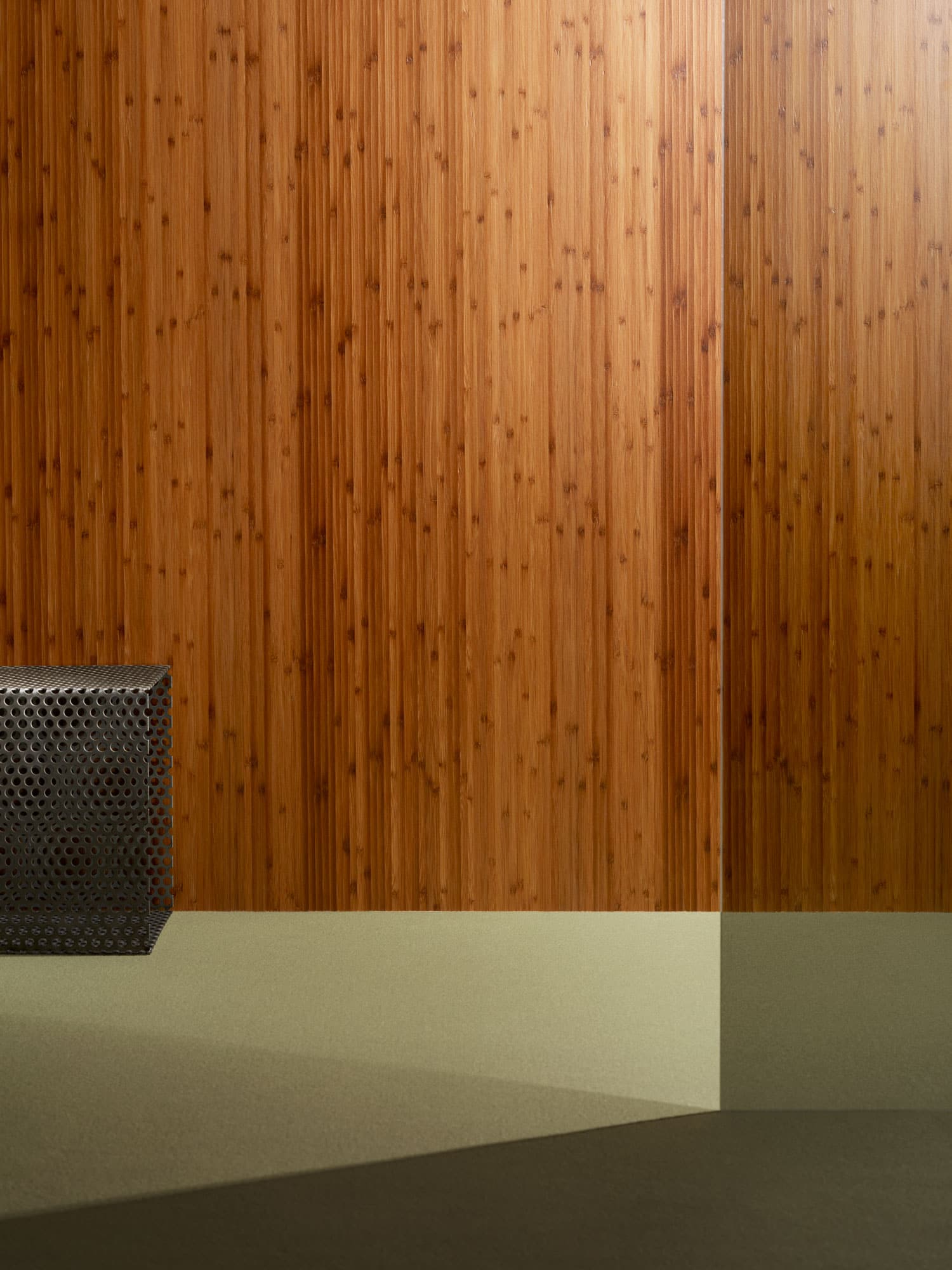
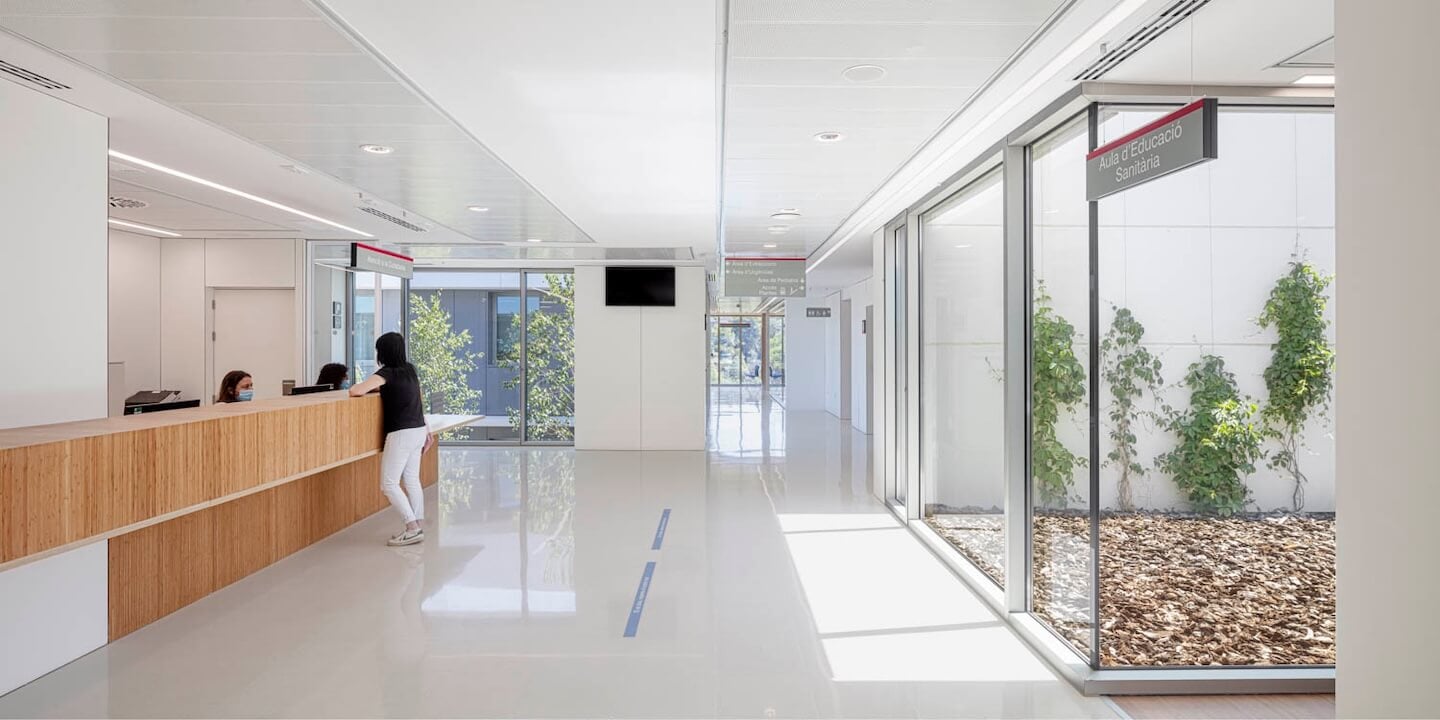
Parklex Prodema panels feature a surface layer with natural timber as opposed to printed paper, bringing a high-quality feel to facades and interiors.