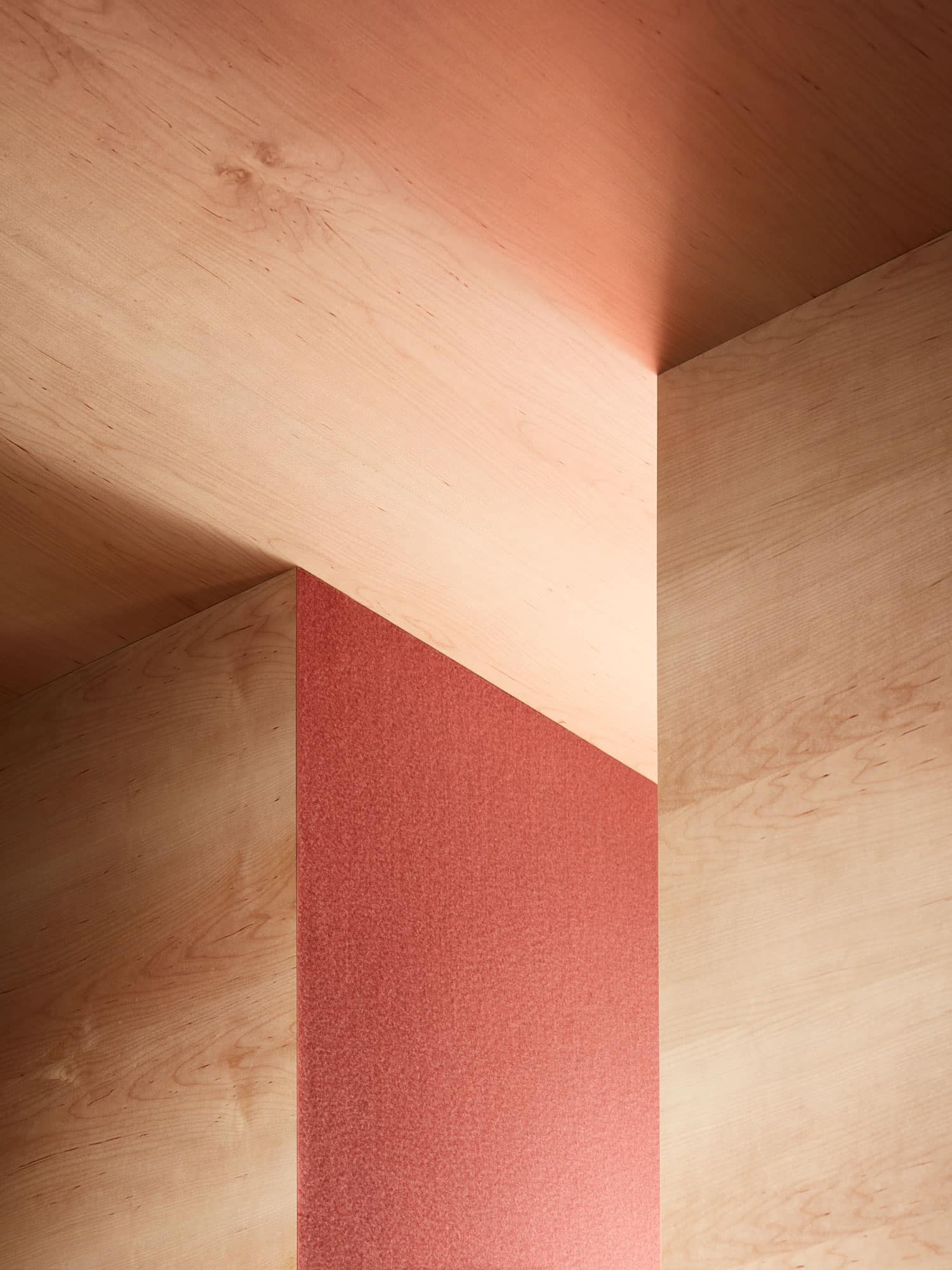
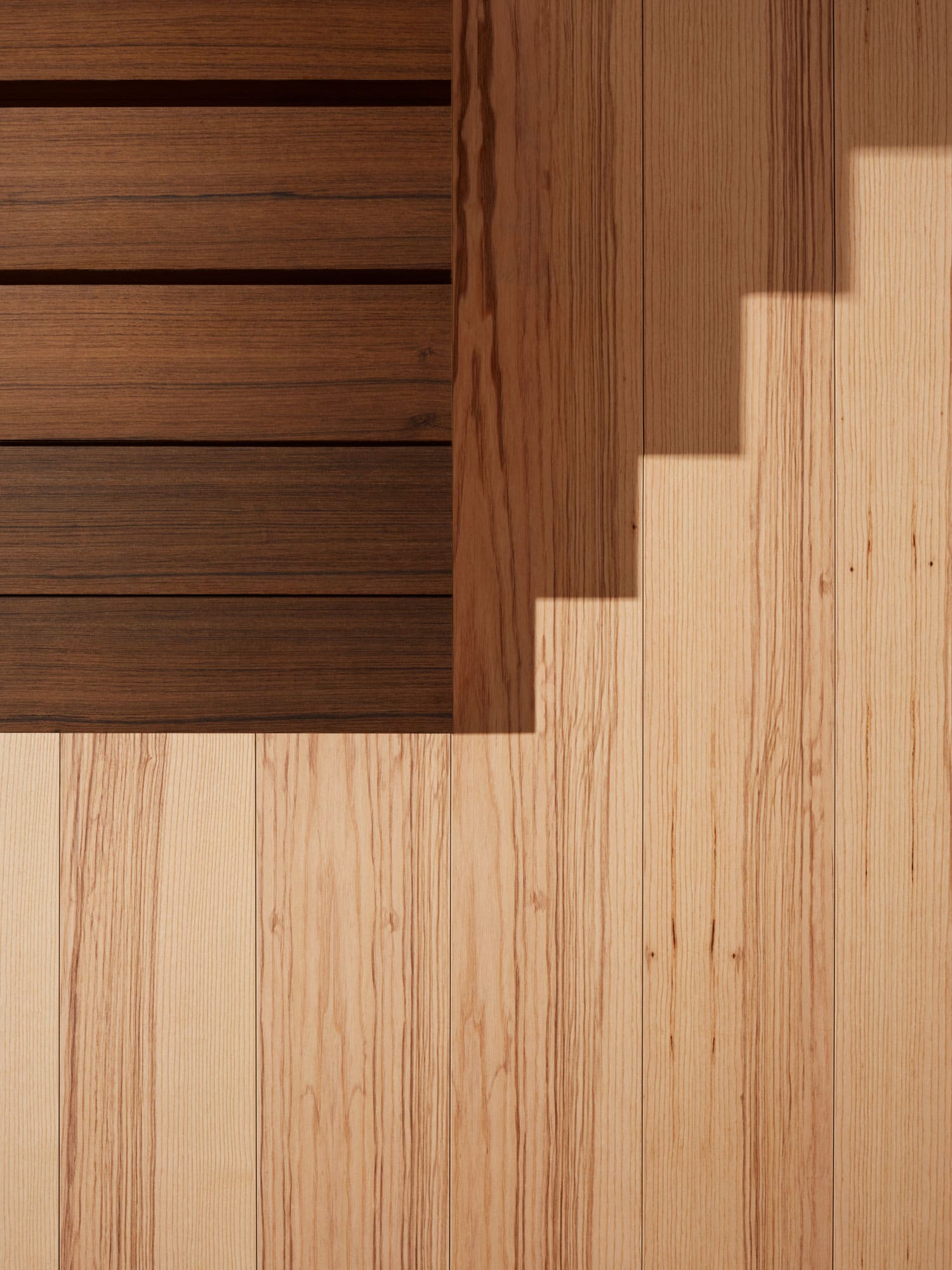
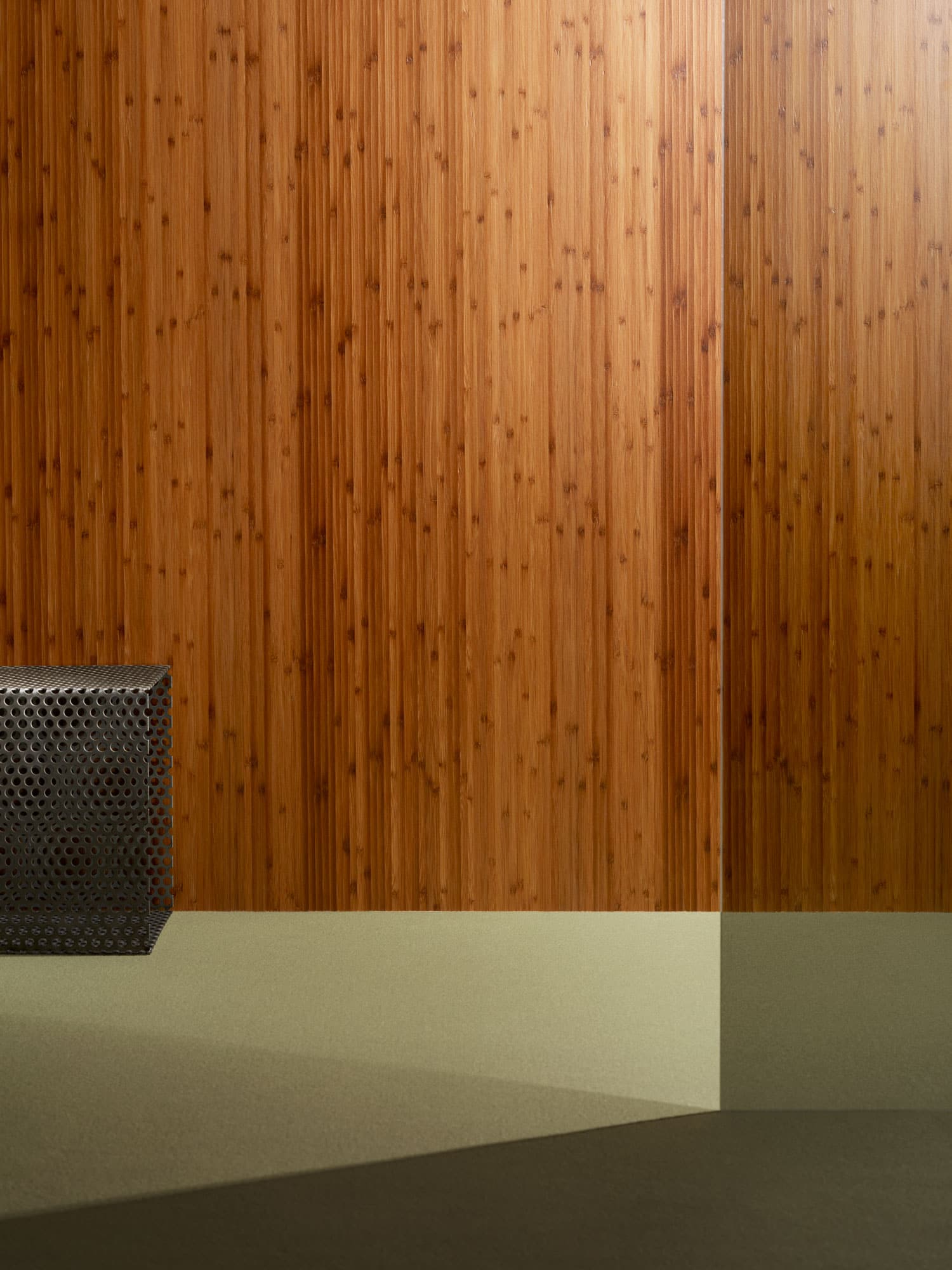
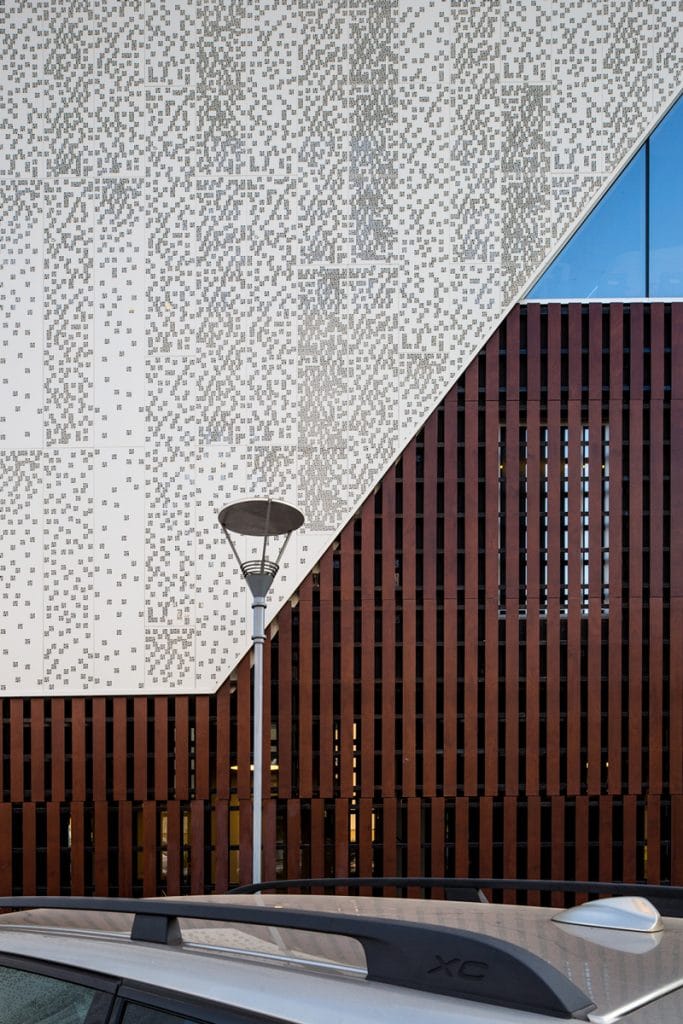
Ventilated facades with natural wood cladding represent an architectural solution that simultaneously optimizes a building’s energy efficiency and the environmental performance of the material. This construction configuration leverages the inherent thermal properties of wood while enhancing the benefits of natural ventilation, creating high-performance energy systems with reduced environmental impact.
Principles of Thermal Operation
The chimney effect generated in the ventilated cavity is the fundamental operating principle. During solar exposure, the air in the cavity heats up and rises through natural convection, creating a continuous flow that removes accumulated heat before it penetrates the building structure. Natural wood cladding, with a thermal conductivity of approximately 0.15 W/m·K, provides significant additional insulation compared to metallic or ceramic materials.
The natural hygrothermal regulation of wood complements the ventilation effect. The material’s ability to absorb and release moisture in a controlled manner helps stabilize microclimatic conditions within the ventilated cavity, reducing condensation risks and improving the overall system’s durability.
Quantification of Energy Benefits
Thermal tests conducted in climatic chambers demonstrate reductions in thermal load of up to 35% under summer conditions when comparing ventilated wooden cladding facades to conventional systems. The combination of wood’s thermal insulation and the cavity’s ventilation significantly lowers interior surface temperatures, reducing cooling demand in accordance with standards such as ISO 13788 for hygrothermal performance calculations.
In winter conditions, the system maintains advantages by reducing thermal bridges and protecting the primary insulation from adverse environmental conditions. The dimensional stability of NATURCLAD-W panels minimizes uncontrolled air infiltrations, preserving the thermal integrity of the assembly.
Impact on Building CO₂ Emissions
The reduction in energy demand directly translates to lower electricity consumption for climate control. In office buildings located in Mediterranean climates, implementing ventilated wooden cladding facades can reduce annual CO₂ emissions by 8–15 kg CO₂/m² of facade, based on real-world monitoring data from completed projects.
The natural wood used in the cladding acts as a carbon sink throughout its lifespan, positively contributing to the building’s carbon balance. Parklex Prodema products carry FSC and PEFC certifications, ensuring their origin from sustainably managed forests.
Thermal Comfort and Indoor Environmental Quality
The surface thermal properties of wood significantly enhance perceived comfort in spaces adjacent to facades. The interior surface temperature of walls with external wooden cladding remains 2–3°C higher than solutions with high thermal conductivity materials, reducing the “cold wall” sensation and improving radiant comfort.
The thermal damping effect of wood reduces indoor temperature fluctuations, contributing to more stable and comfortable environments. This thermal stability results in less frequent activation of climate control systems and improved perceived environmental quality for occupants.
Natural Ventilation and Air Quality
The cavity ventilation can be integrated with the building’s natural ventilation strategies. Properly designed systems allow the intake of pre-cooled air from the ventilated cavity during favorable operating periods, reducing the load on mechanical air treatment systems.
Natural wood cladding does not emit problematic volatile organic compounds, helping maintain air quality within the ventilated cavity. This characteristic is particularly relevant when cavity air is used for ventilating interior spaces.
Integration with Renewable Energy Systems
Ventilated facades facilitate the integration of photovoltaic systems or solar thermal collectors. The natural ventilation of the cavity improves the performance of these systems by reducing operating temperatures. The fastener structure for wooden cladding can be adapted to support energy-capturing elements.
Extended Lifecycle Benefits
The protection provided by the ventilated cladding to the building’s insulation and structure extends their lifespan, reducing the need for renovation and maintenance. The system acts as a barrier against direct solar radiation, rain, and thermal fluctuations, preserving the integrity of the inner layers of the building envelope.
Need specific technical advice for your project? Contact our team with no obligation to address technical questions, analyze specific requirements, or develop customized solutions.