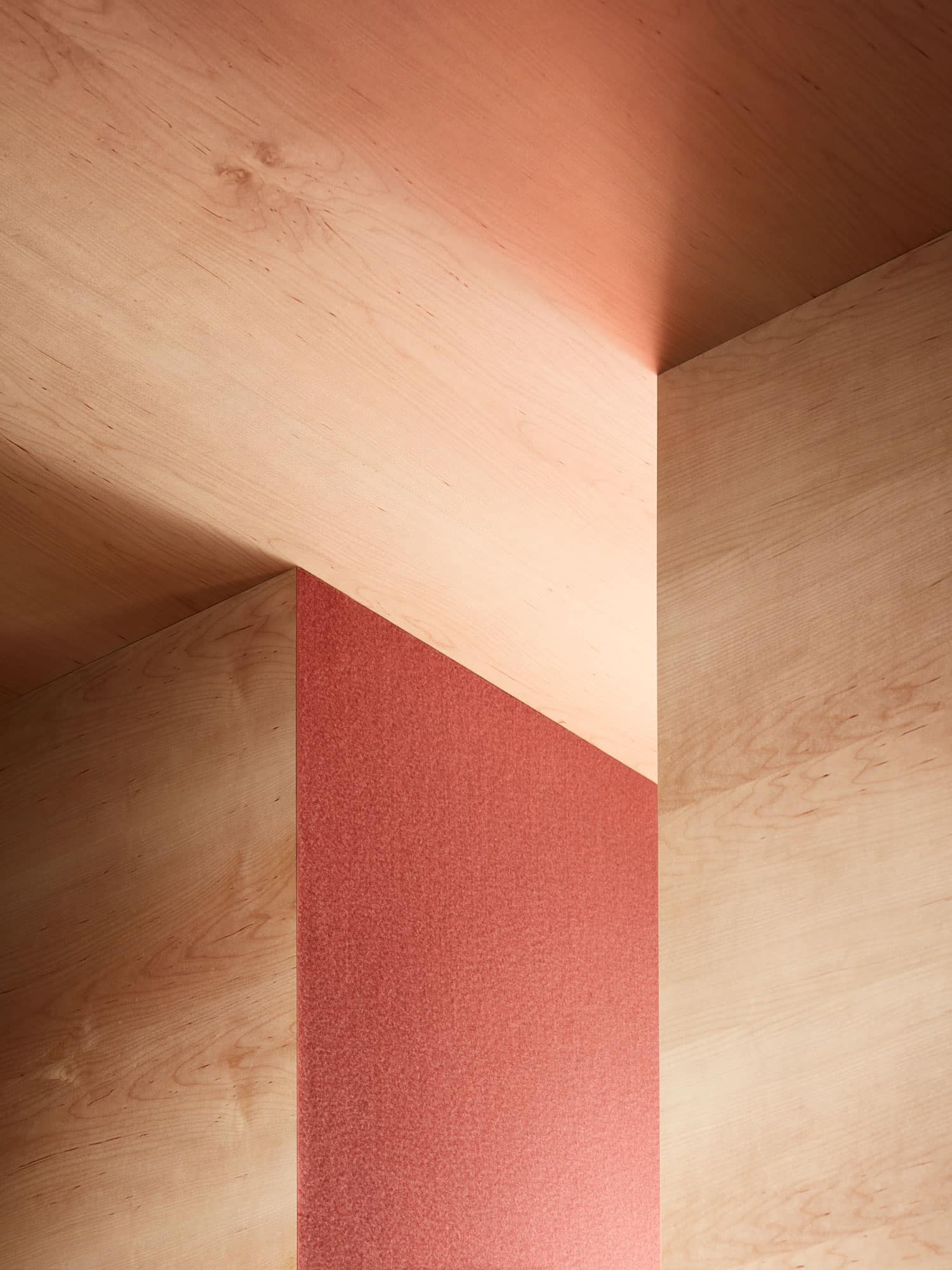
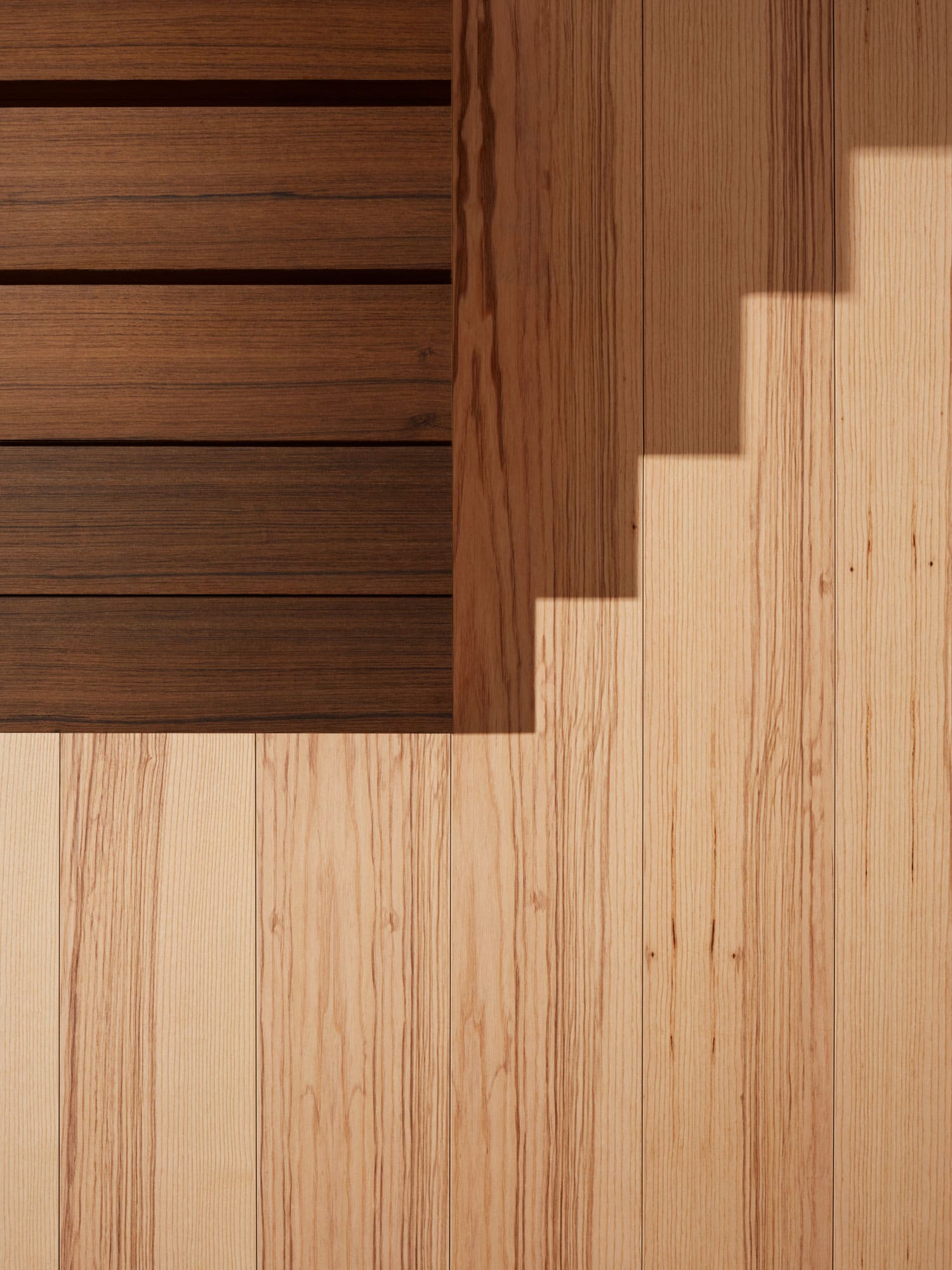
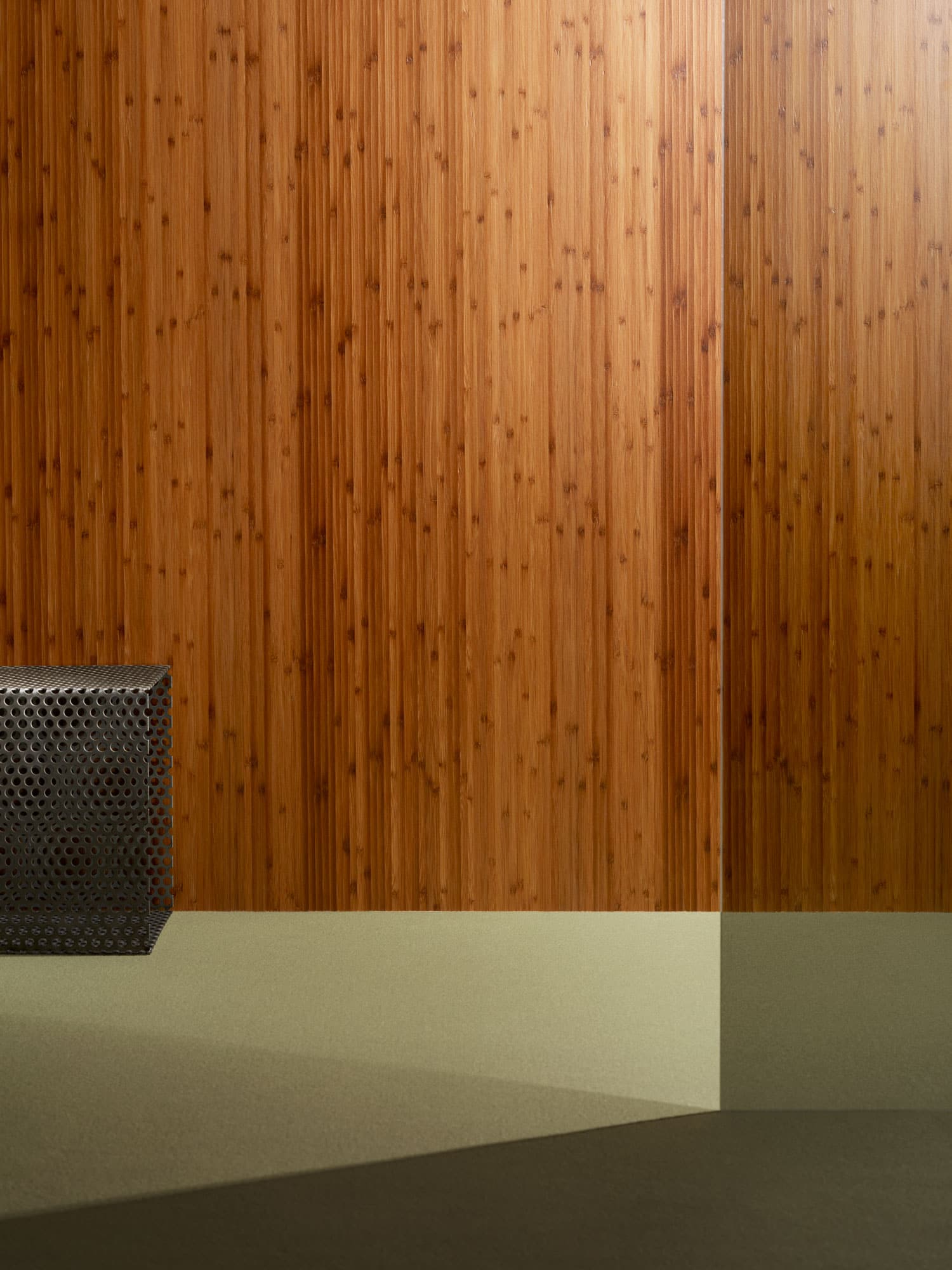
The wide variety of natural wood flooring available in today’s market calls for a systematic classification to enable architects to establish objective selection criteria. This technical and aesthetic comparison addresses the main types, focusing on their fundamental properties, recommended applications, and specific considerations for specification in architectural projects.
Traditional Solid Wood vs. Advanced Systems
The conceptual starting point for any classification must distinguish between:
- Solid Wood: Solid pieces with a thickness of 15-22 mm, exhibiting natural hygroscopic behavior and requiring periodic maintenance.
- Advanced Systems: Combine natural wood veneers with stabilized structures through technical treatments that minimize movement and maximize performance.
This fundamental distinction results in radically different behaviors regarding variables such as humidity, foot traffic, or maintenance–critical aspects in the lifecycle of any flooring.
Classification by Structural Composition
The internal structure of natural wood flooring determines its physical properties and long-term behavior:
- Single-Layer Solid Wood: More susceptible to dimensional changes but offers maximum renovation potential through sanding.
- Compensated Multilayer: Combines a noble wood layer over birch plywood, such as NATURFLOOR-W flooring, providing excellent dimensional stability.
- Floating with HDF Core: Features a thin layer of natural wood over a high-density fiberboard, with less material expressiveness but good moisture resistance.
Wear Resistance Comparison
The ability to maintain aesthetic and functional properties under intensive use is a decisive parameter in architectural specification:
| Type | UNE-EN 13329 Classification | Scratch Resistance | Optimal Applications |
|---|---|---|---|
| Traditional Solid Wood | Not applicable | Varies by species | Residential, low traffic |
| NATURFLOOR-W | AC6 | Grade 4 (EN 438) | Commercial, high traffic |
| Floating Systems | AC3-AC5 | Grade 2-3 | Moderate tertiary spaces |
The AC6 classification, the highest in the European system, certifies suitability for extremely high-traffic areas such as museums, airports, or shopping centers.
Dimensional Stability Analysis
Dimensional variation under hygrothermal changes determines the aesthetic durability of flooring and influences installation details:
- Solid Wood: Variations up to 8%, with risks of deformation and separation.
- NATURFLOOR-W Multilayer: Controlled variations below 0.3% longitudinal and 0.6% transversal.
- Floating with HDF Core: Moderate to high stability, with limitations in direct moisture exposure.
This superior stability allows installation in spaces with variable conditions, such as indoor-outdoor transition zones or areas with large windows exposed to direct sunlight.
Aesthetic and Sensory Differentiation
Beyond technical considerations, sensory perception is a determining factor in architectural selection:
- Visual Authenticity: Natural grain patterns, knots, and chromatic variations add visual richness and depth.
- Tactile Texture: High-performance natural wood flooring retains the characteristic micro-roughness of wood, enhancing the haptic experience.
- Thermal Warmth: Wood’s low thermal conductivity provides a differential sense of thermal comfort compared to other materials.
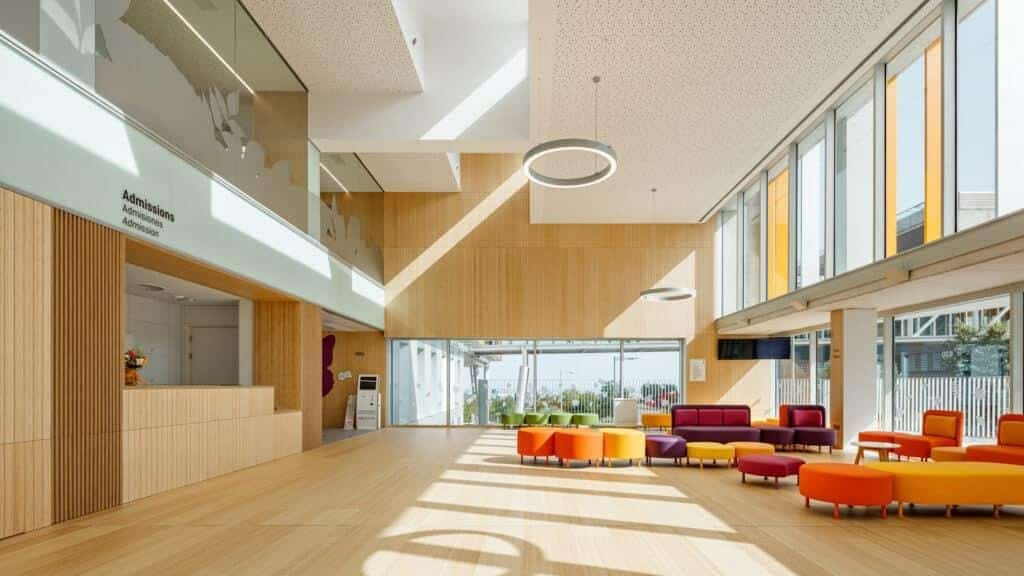
NATURFLOOR-W flooring by Parklex Prodema, used in projects like the Sant Joan de Deu Pediatric Cancer Center Barcelona by PINEARQ, demonstrates how these sensory qualities can enhance environments focused on well-being without compromising technical requirements for hygiene and durability.
Fire Performance Considerations
Fire performance is a critical aspect in certain architectural programs:
- Traditional Wood: Dfl-s1 / Cfl-s1 classification, depending on species and treatment.
- Advanced NATURFLOOR-W Systems: Can achieve Bfl-s1 classification per EN 13501-1, suitable for evacuation routes.
This classification enables their use in programs with strict fire protection requirements, significantly expanding their architectural application range.
Need specific technical advice for your project? Contact our team with no obligation to address technical questions, analyze specific requirements, or develop customized solutions.