Xylophagous insects pose a significant threat to the durability of wood claddings in exterior applications. These organisms, including termites, woodworms, and other beetles, can compromise both the structural integrity and aesthetic appeal of wooden facades if adequate protection strategies are not implemented. For architects specifying natural wood claddings, understanding the available protection systems and their effectiveness in different geographic and climatic contexts is crucial.
Identification of Xylophagous Threats
Subterranean termites are the primary threat in Mediterranean and tropical climates, where humidity and temperature conditions favor their proliferation. These insects establish underground colonies from which they access wooden structures, creating internal galleries that can significantly weaken the material without visible external signs during the early stages of an attack.
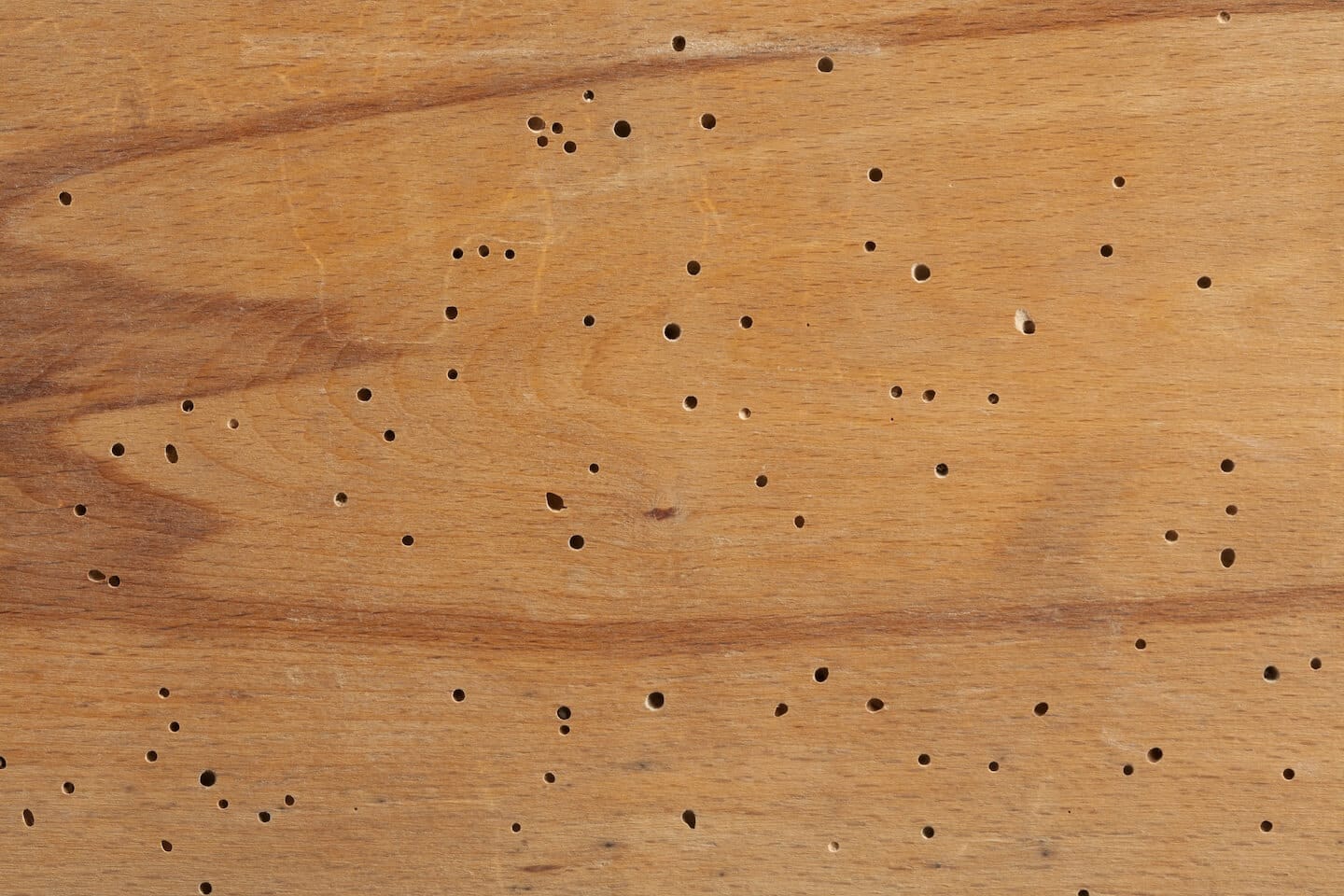
Xylophagous beetles, such as the house longhorn beetle or large woodworm, pose a particular risk in temperate regions. Their larvae bore extensive galleries inside the wood, progressively weakening its structure. The biological cycle of these insects can span several years, during which damage accumulates silently.
Marine boring insects, such as the naval shipworm, specifically affect installations in coastal environments where wood may occasionally come into contact with seawater.
Integrated Preventive Treatments
Modern natural wood claddings incorporate preventive treatments during the manufacturing process, providing permanent protection against xylophagous attacks. These treatments penetrate the fibrous structure of the wood through vacuum-pressure impregnation processes, ensuring a homogeneous distribution of the protective active ingredient.
Modern biocides used in these treatments include copper, boron, and zinc organometallic compounds, which act as repellents and larvicides without compromising health safety or environmental impact. These compounds do not migrate from the wood, maintaining their long-term effectiveness.
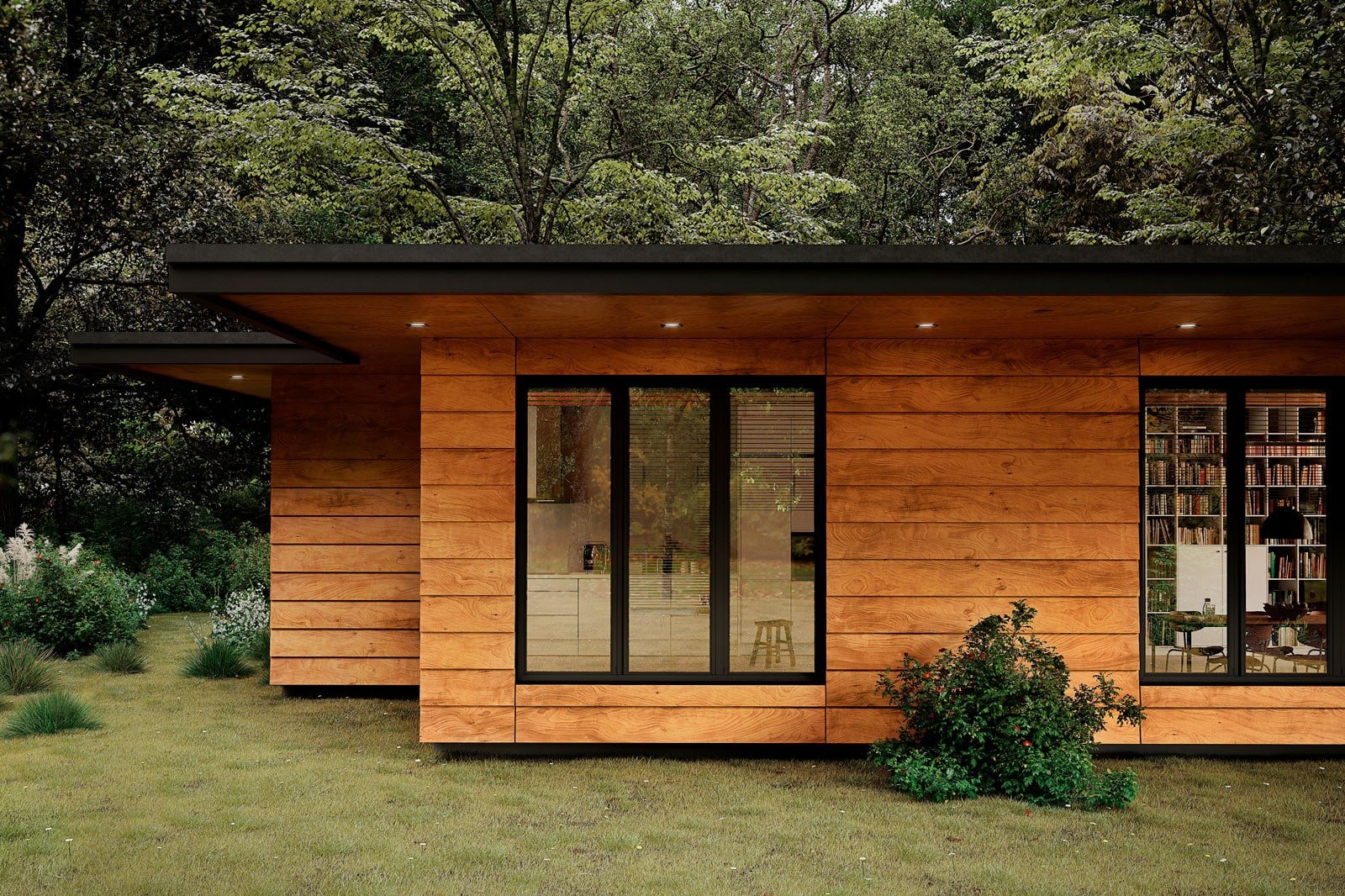
The NATURSIDING-W system offers effective protection against xylophagous insects thanks to the impregnation of the veneer with resin.
Physical and Constructive Barriers
In addition to chemical treatments, architectural prevention is a fundamental strategy. The design of ventilated facades creates environmental conditions unfavorable to the development of xylophagous insects by maintaining low relative humidity in the wood and ensuring constant air circulation.
Physical barriers at junctions with structural elements or foundations prevent subterranean termites from accessing the cladding. These systems include metal sheets, specific membranes, or localized treatments at critical points.
Separating the wood from direct ground contact through transitional elements (such as baseboards made of other materials or elevated systems) eliminates the most common access routes for terrestrial xylophagous insects.
Monitoring and Early Detection
Monitoring systems enable the detection of xylophagous activity before damage becomes evident. These include perimeter bait stations that attract insects before they reach the structure and ultrasonic listening devices that detect boring activity inside the wood.
Periodic visual inspections should focus on detecting signs such as small exit holes, accumulations of fine sawdust, or a hollow sound when tapping the surface. In natural wood claddings like NATURCLAD-W, the presence of integrated treatments significantly reduces the likelihood of infestation, but periodic monitoring remains advisable.
Effectiveness of Modern Systems
Integrated treatments in high-performance natural wood panels have demonstrated over 95% effectiveness in preventing xylophagous attacks, according to standardized tests EN 117 and EN 118. This effectiveness persists throughout the cladding’s entire service life, eliminating the need for periodic re-treatments.
The synergistic combination of chemical treatments, physical barriers, and appropriate architectural design provides a comprehensive protection system that ensures the long-term durability of wood claddings in any geographic environment.
Need specific technical advice for your project? Contact our team with no obligation to address technical questions, analyze specific requirements, or develop customized solutions.