Blog

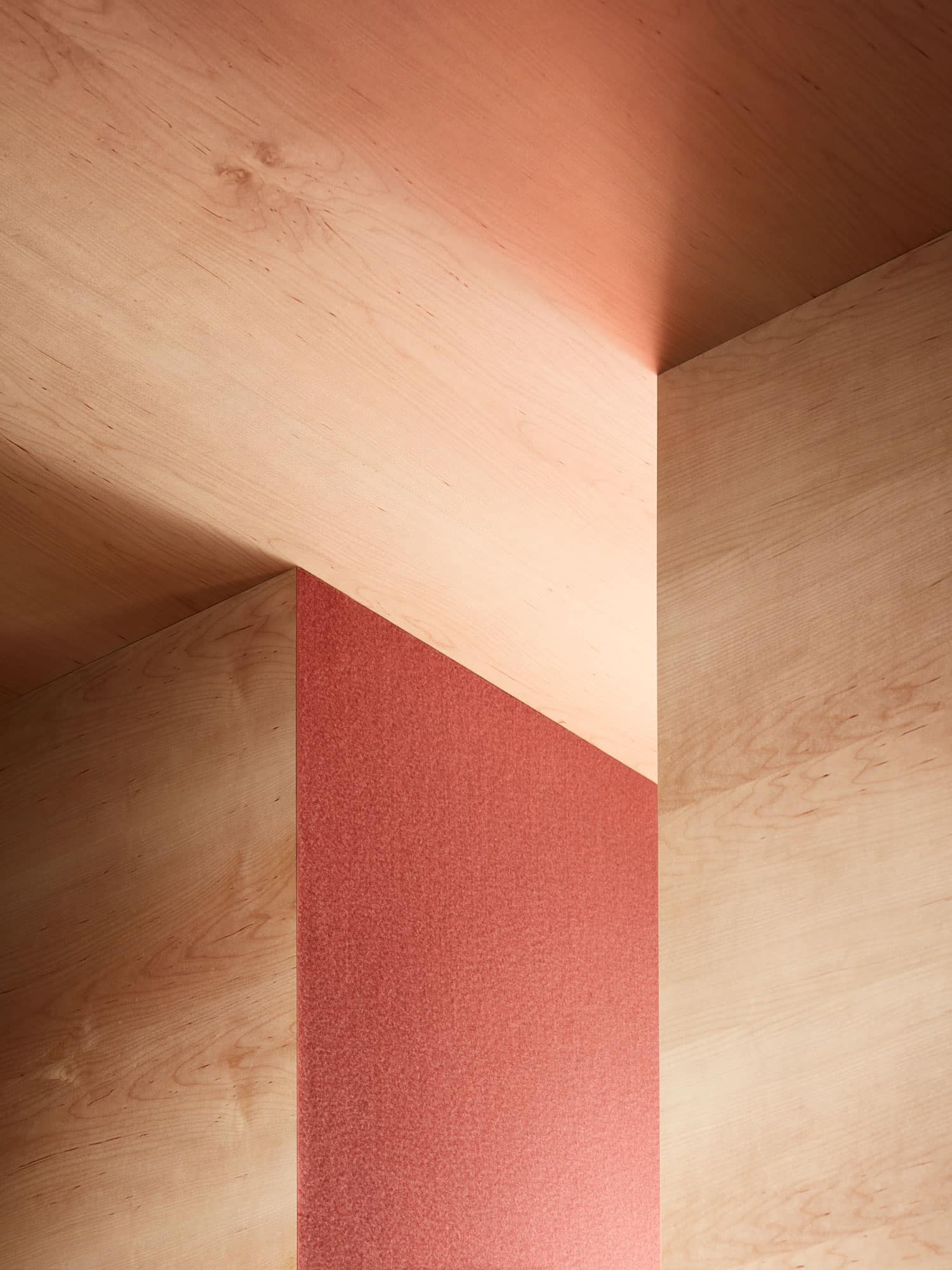
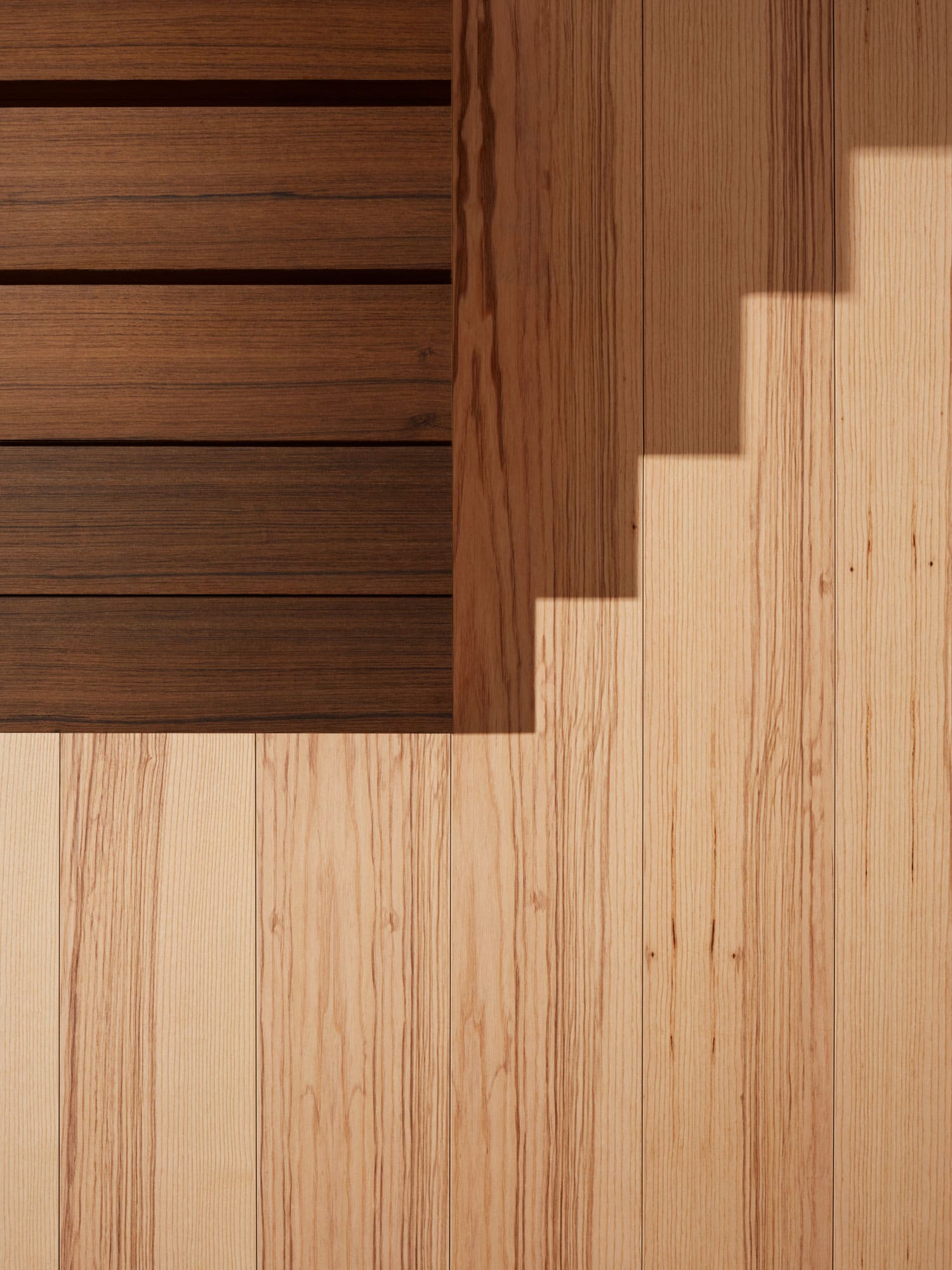
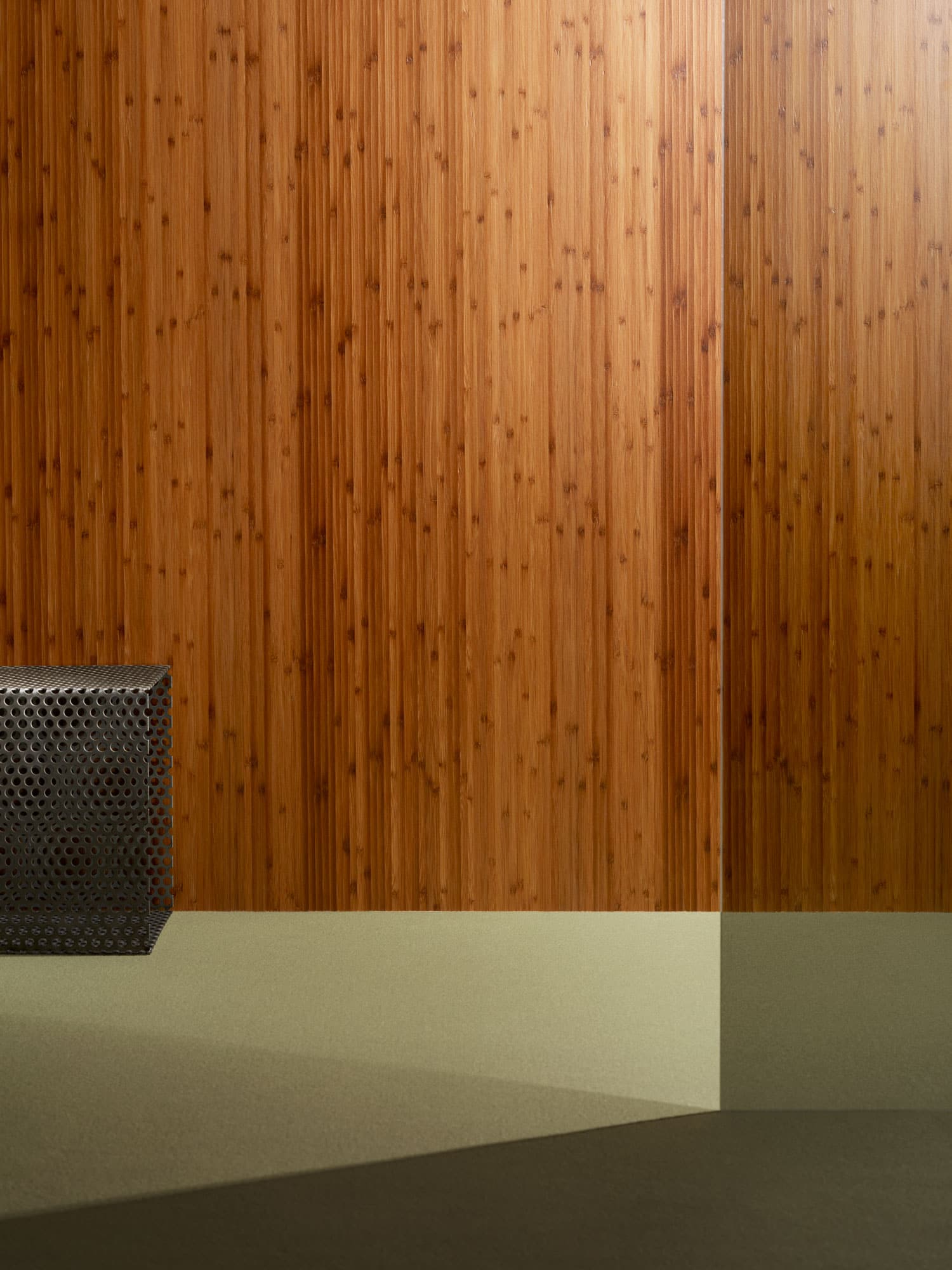
The specification of wood finishes according to building regulations requires precise knowledge of the regulatory frameworks in force in each jurisdiction. Regulatory differences between countries can significantly affect the technical and economic viability of architectural projects, especially when it comes to natural wood interior finishes in public-use buildings or those with specific safety requirements.
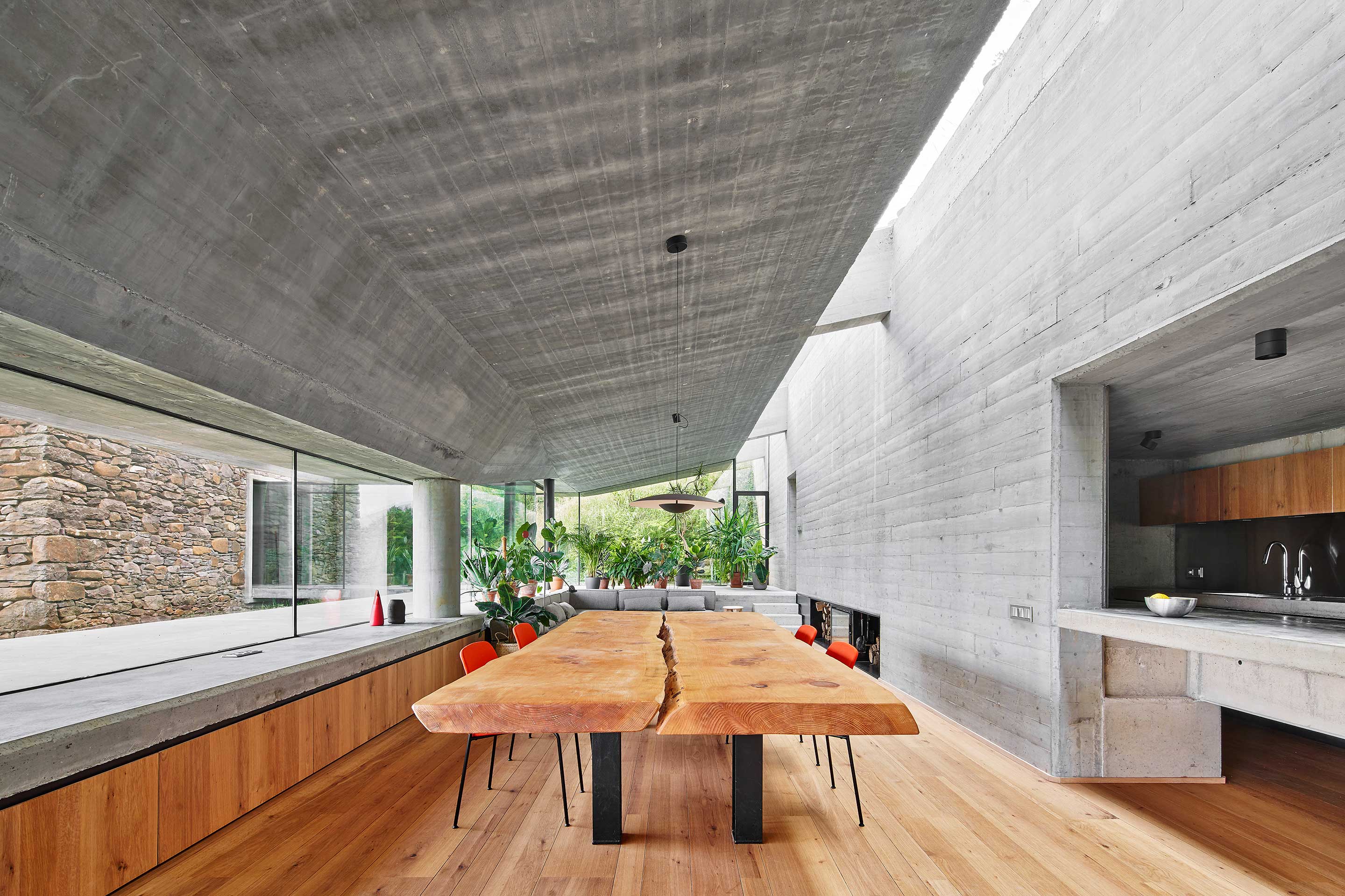
Biophilic residential spaces represent an evolution in domestic design that prioritizes connection with nature to enhance inhabitants’ quality of life. Creating healthy homes with natural wood goes beyond aesthetic considerations to address fundamental aspects of physical and mental well-being. Implementing natural wood finishes in homes yields documented benefits, including stress reduction, improved sleep quality, and strengthened immune systems–particularly relevant in a context where we spend approximately 90% of our time indoors.

Fire-retardant natural wood paneling represents the convergence of two seemingly contradictory requirements: the aesthetic warmth of wood and the fire safety demanded by contemporary regulations. This balance, historically challenging to achieve, is now possible thanks to technological advancements that have transformed the fire reaction properties of wood without compromising its natural expressiveness.
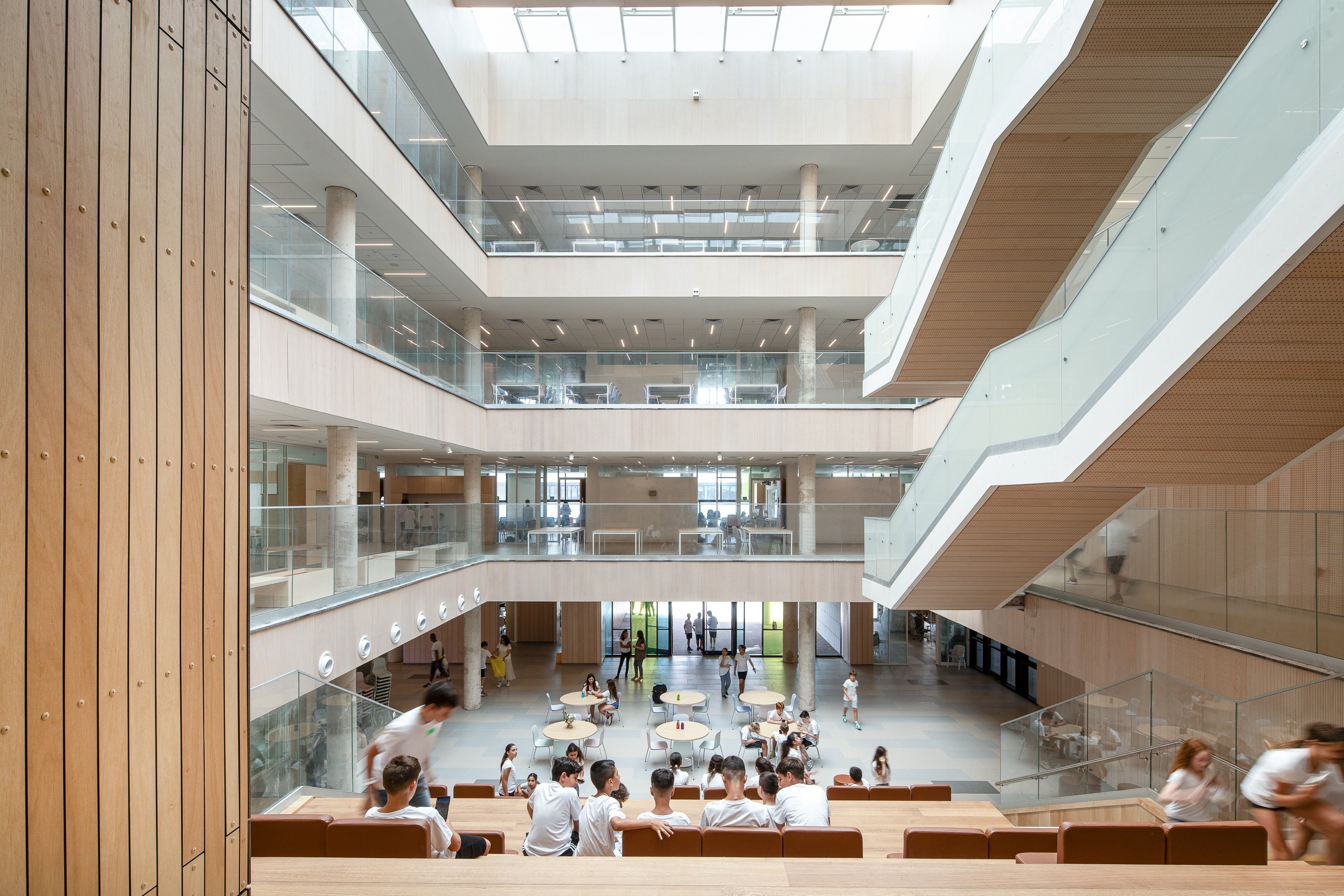
Biophilic educational spaces with natural wood finishes have been shown to produce significant improvements in academic performance and the well-being of students and teachers, thereby strengthening the link between schools and well-being as a core pillar of educational design. Natural wood enhances educational spaces not only from an aesthetic perspective but through documented neuroscientific effects, including increased concentration capacity, stress reduction, and improved learning processes. The strategic implementation of these materials in classrooms, libraries, and common areas transforms environments traditionally dominated by synthetic materials into spaces that foster cognitive restoration and emotional well-being.
Request more information
Any questions about our products or services? Contact us to resolve any questions or queries you may have.
Contact usPanels with natural timber
Parklex Prodema panels feature a surface layer with natural timber as opposed to printed paper, bringing a high-quality feel to facades and interiors.