Blog
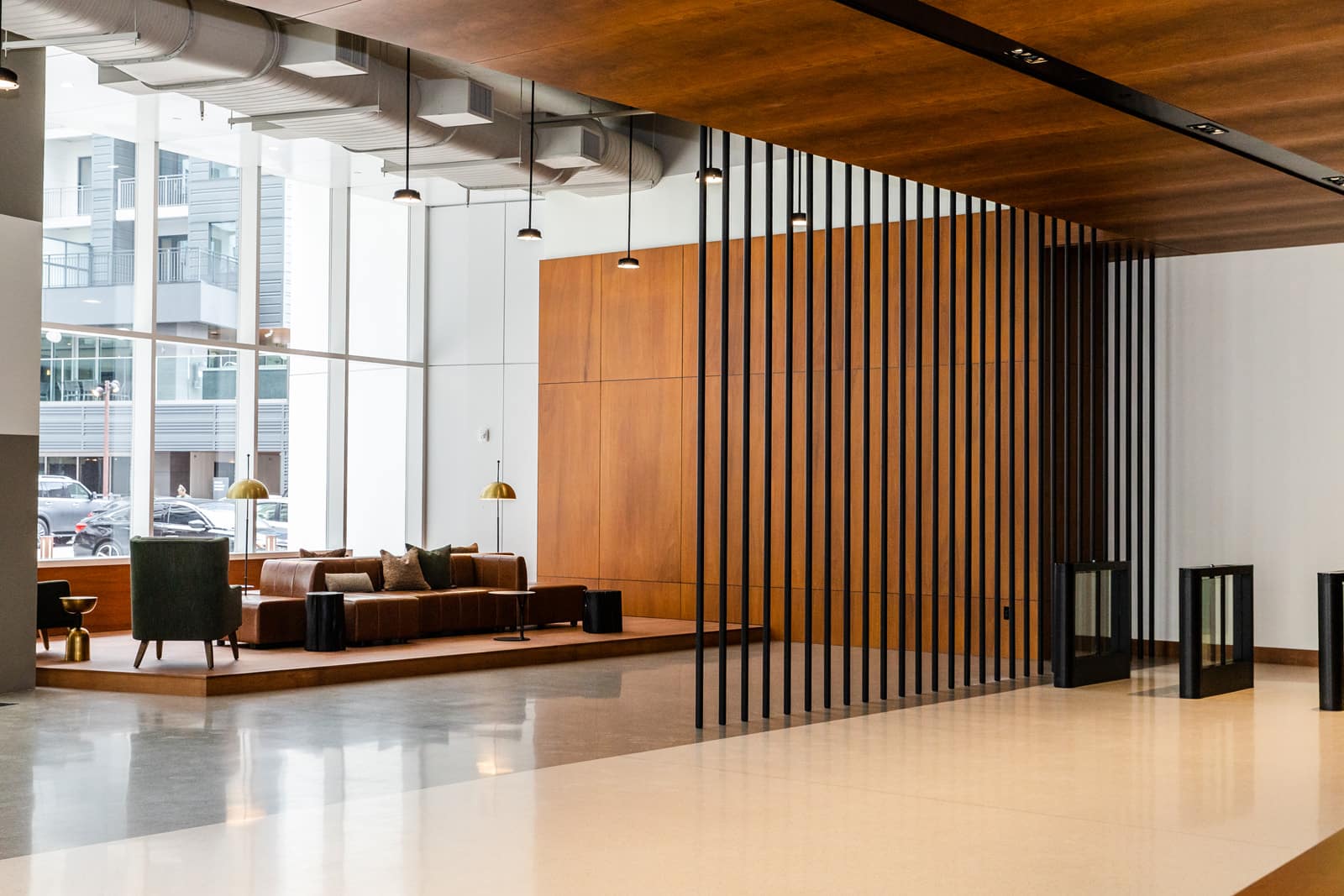
Wood wall paneling for interiors has undergone a profound transformation in contemporary architecture, evolving from purely decorative elements into comprehensive architectural solutions that combine functionality, durability, and aesthetic expressiveness. This evolution has been made possible by the development of high-performance natural wood panels that overcome the traditional limitations of wood while preserving its visual and tactile warmth.
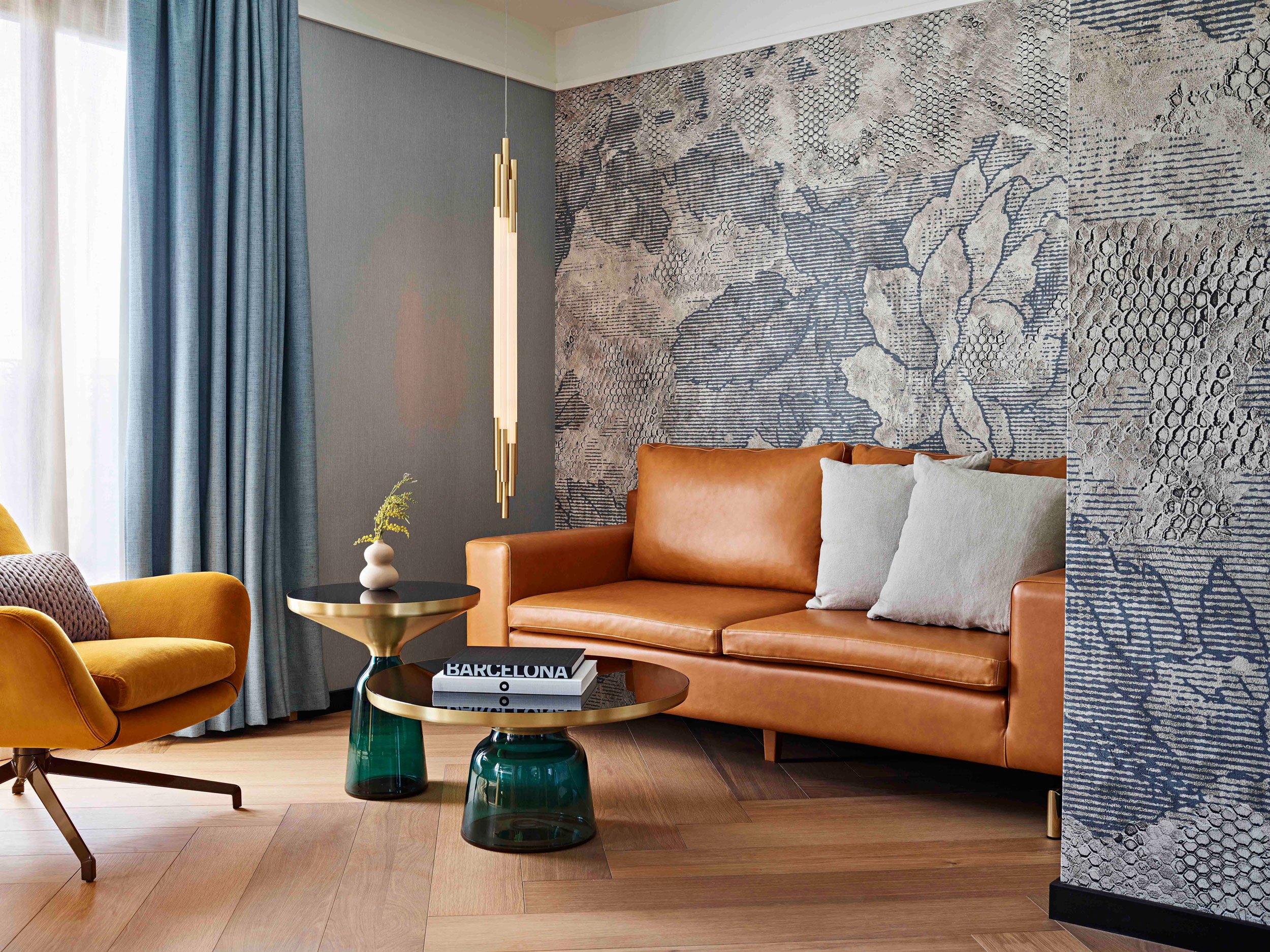
Architectural renovation provides an opportunity to radically transform a space without altering its core structure. In this context, natural wood flooring represents a strategic intervention with an immediate impact on the perception and functionality of the environment. The appropriate selection of these elements must consider both aesthetic aspects and specific technical considerations for renovation projects.
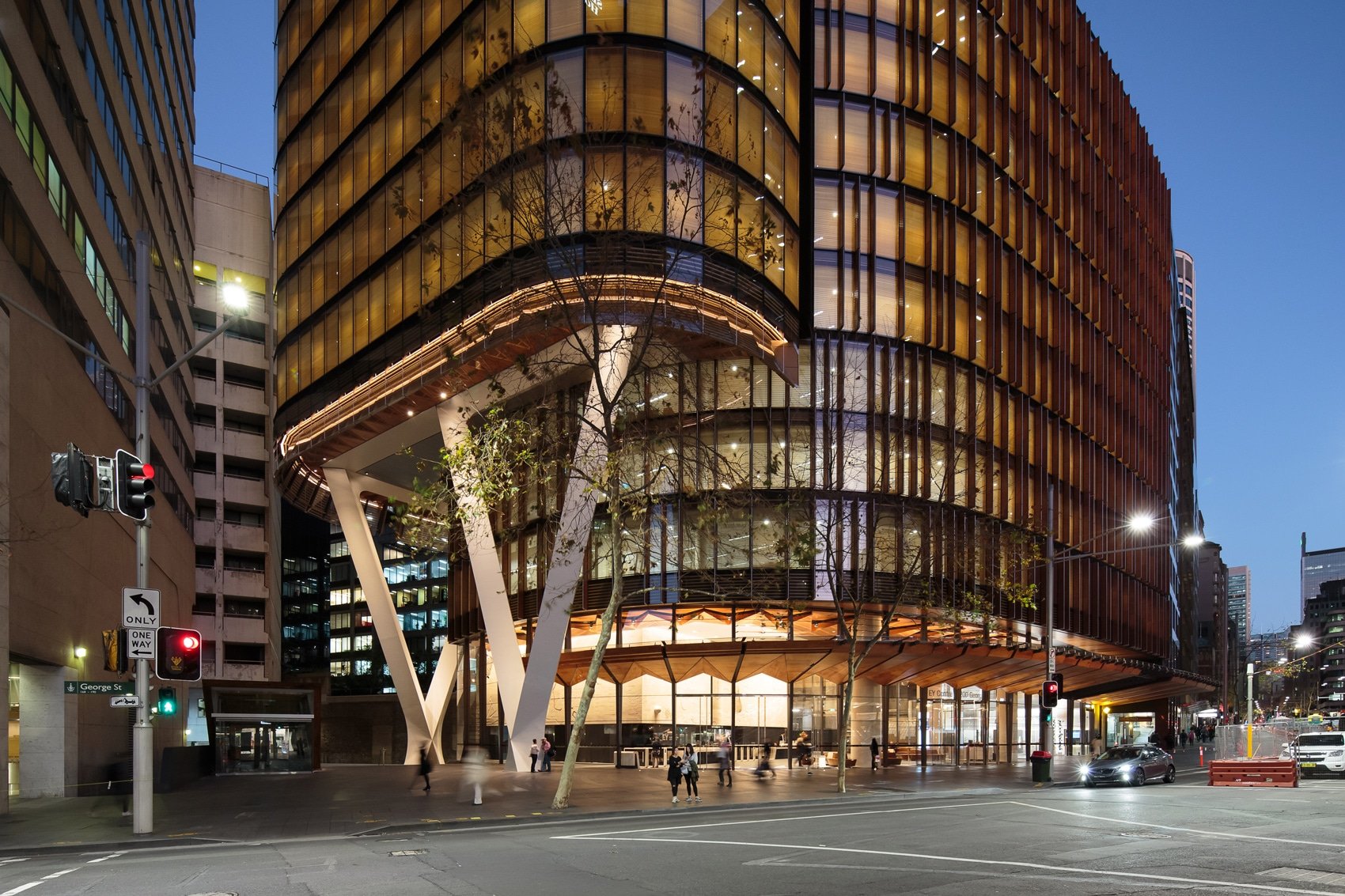
The incorporation of natural wood in exterior facades represents an architectural decision that combines aesthetic, functional, and bioclimatic values. However, continuous exposure to environmental factors poses significant technical challenges that determine the long-term durability and performance of these systems. Current regulatory requirements and the pursuit of sustainable architectural solutions have driven the development of advanced technologies that overcome the traditional limitations of exterior wood cladding, particularly in terms of durability and maintenance.

Sustainability in architecture has evolved from a trend into an urgent necessity in response to current environmental challenges. Exterior wood cladding represents a highly sustainable option, provided its entire life cycle – from sourcing to end-of-life – is managed with environmental responsibility.
Request more information
Any questions about our products or services? Contact us to resolve any questions or queries you may have.
Contact usPanels with natural timber
Parklex Prodema panels feature a surface layer with natural timber as opposed to printed paper, bringing a high-quality feel to facades and interiors.