Architectural renovation provides an opportunity to radically transform a space without altering its core structure. In this context, natural wood flooring represents a strategic intervention with an immediate impact on the perception and functionality of the environment. The appropriate selection of these elements must consider both aesthetic aspects and specific technical considerations for renovation projects.
Pre-Condition Assessment
The inspection of the existing substrate is the starting point for any renovation project involving natural wood flooring. Unlike new constructions, renovation projects often present varied conditions that require detailed evaluation:
- Structural Strength: Verification of the existing slab’s load-bearing capacity against the additional weight of the new flooring and potential usage loads.
- Leveling: Analysis of unevenness and flatness, which is critical for selecting the appropriate installation system.
- Residual Moisture: Measurement of substrate moisture using a hygrometer, essential to prevent future issues.
Technical Solutions for Irregular Substrates
High-performance natural wood flooring can address the characteristic irregularities of existing buildings through adaptable systems:
- Floating Floors: Their independence from the substrate allows them to accommodate moderate unevenness and create a technical cavity that insulates against residual moisture.
- Glued Systems: When the substrate’s cohesion and leveling allow, these provide excellent stability and reduced acoustic transmission.
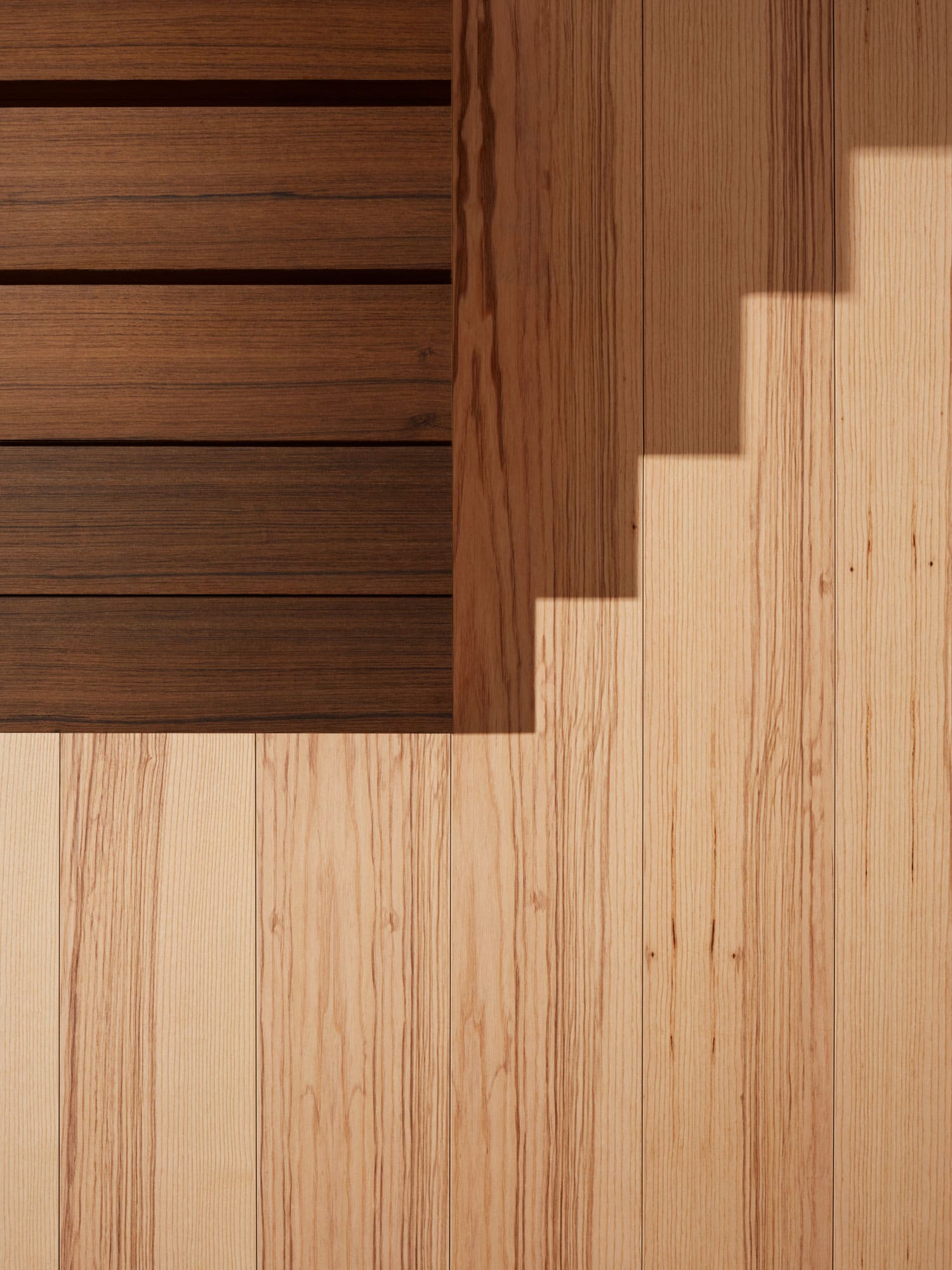
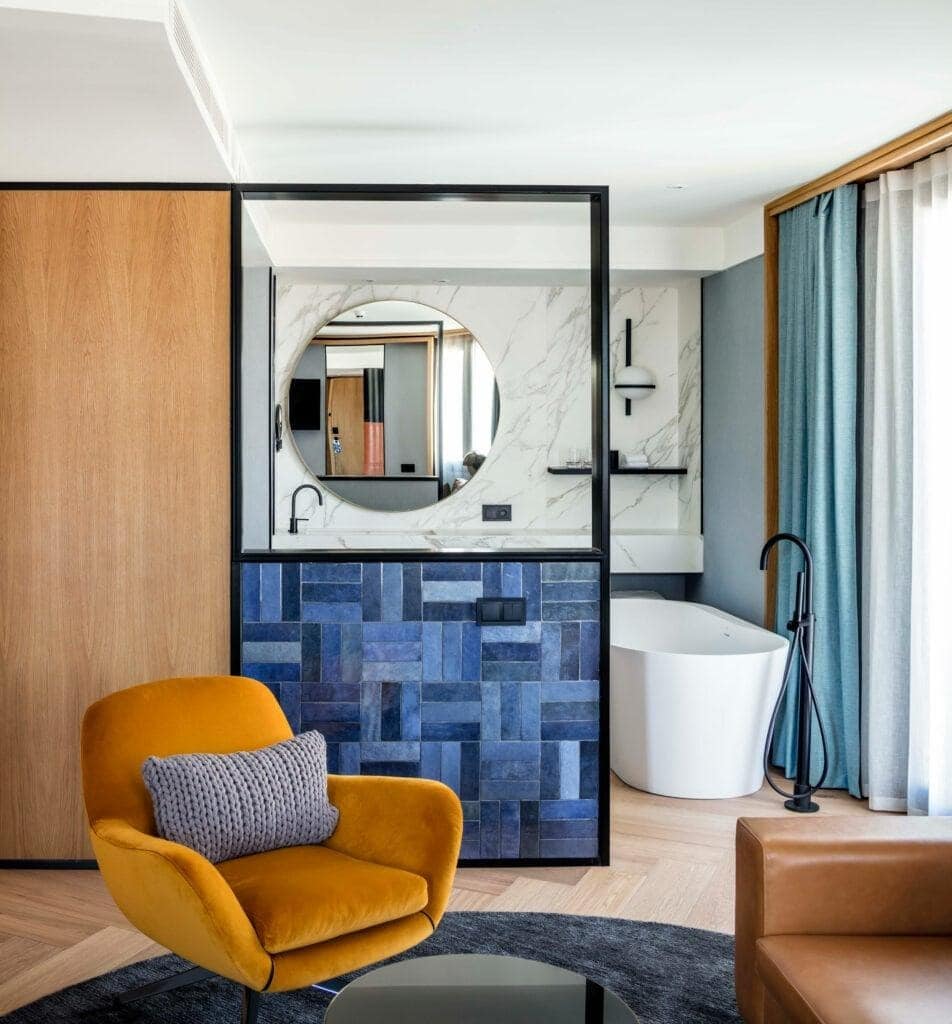
Parklex Prodema’s NATURFLOOR-W flooring, with its 14 mm thickness, is ideal for renovation projects with limited height availability, enabling seamless transitions between spaces without creating steps.

Compatibility with Existing Climate Control Systems
A frequently critical aspect in renovation projects is integration with pre-existing installations. Contemporary natural wood flooring offers excellent compatibility with underfloor heating systems, with optimized thermal resistance values (between 0.07 and 0.15 m²K/W) that ensure efficient heat transmission.
The superior dimensional stability of these floors, with variations of less than 0.1% under hygrothermal changes, prevents the formation of gaps or deformations during the operation cycles of radiant heating systems–a common issue with traditional solutions.
Aesthetic Renovation: Continuity and Contrast
The aesthetic impact of natural wood flooring in renovation projects can be articulated through two main strategies:
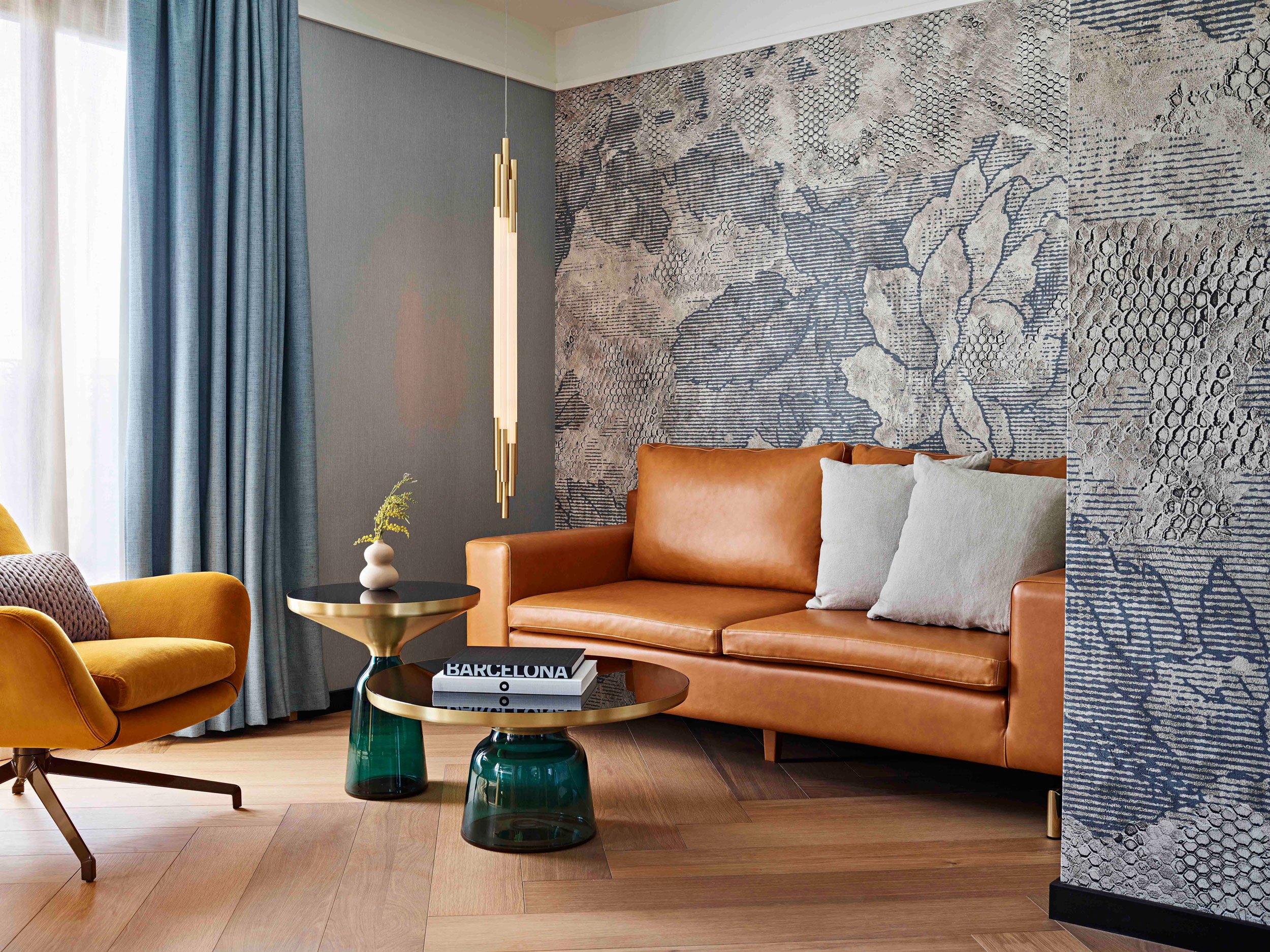
- Historical Continuity: Species like oak or walnut allow for coherence with the building’s original materiality, particularly relevant in the restoration of architectural heritage.
- Contemporary Contrast: Finishes like Driftwood or Eucalyptus from the NATURFLOOR-W range introduce a modern expression that can complement historical construction elements.
The ability of natural wood flooring to integrate into the complex spatial sequences typical of renovations–where different materials and eras coexist–is one of its greatest advantages over other, more aesthetically limited flooring options.
Installation in Occupied Environments
A key factor in renovations is the frequent need to carry out work in partially or fully occupied buildings. Floating installation systems and factory-finished natural wood flooring enable faster and cleaner installations than traditional systems, minimizing disruption and reducing project timelines.
The absence of on-site sanding or varnishing eliminates dust and odors, allowing immediate occupancy of the space upon completion of the installation.
Need specific technical advice for your project? Contact our team with no obligation to address technical questions, analyze specific requirements, or develop customized solutions.