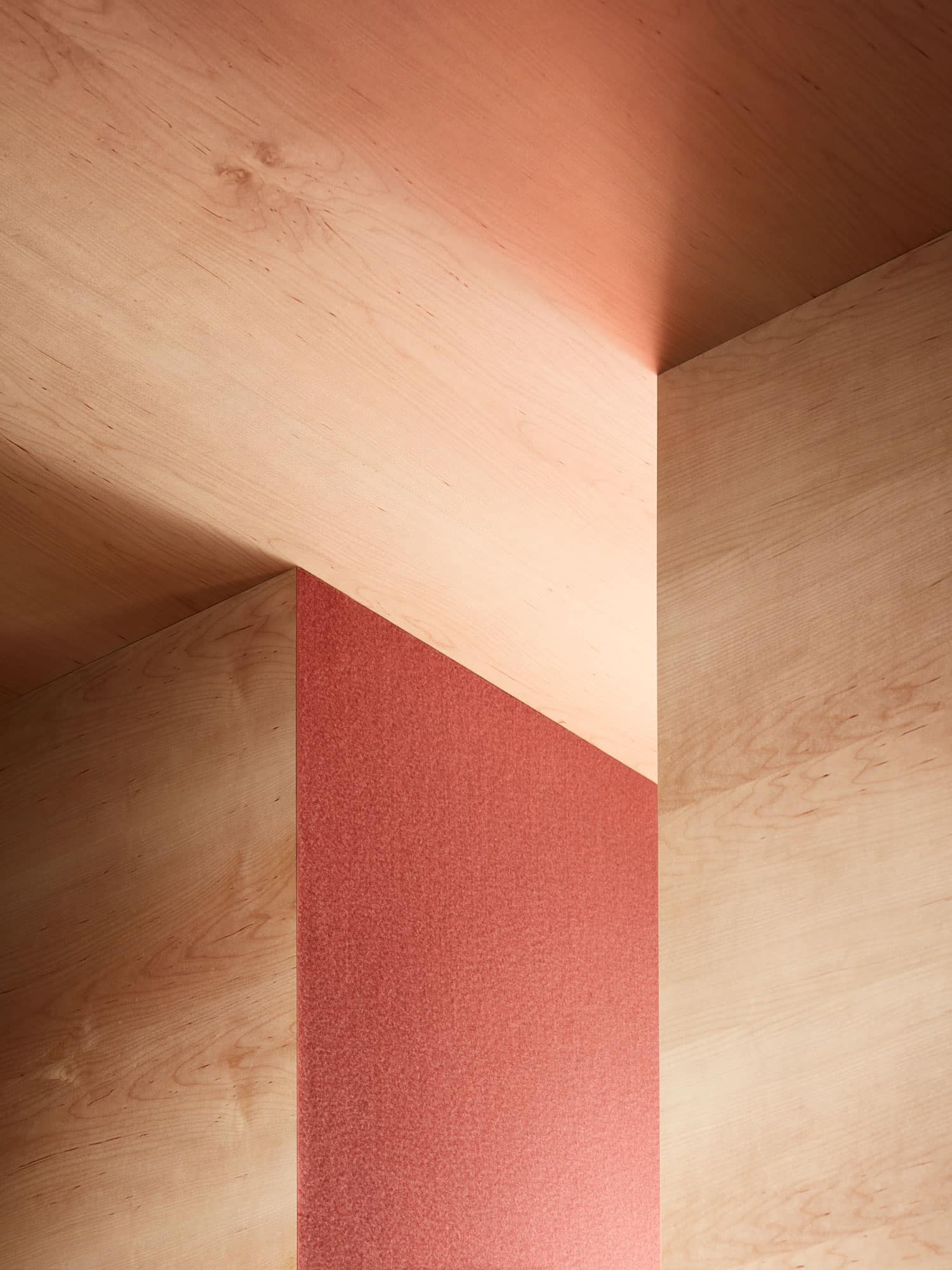
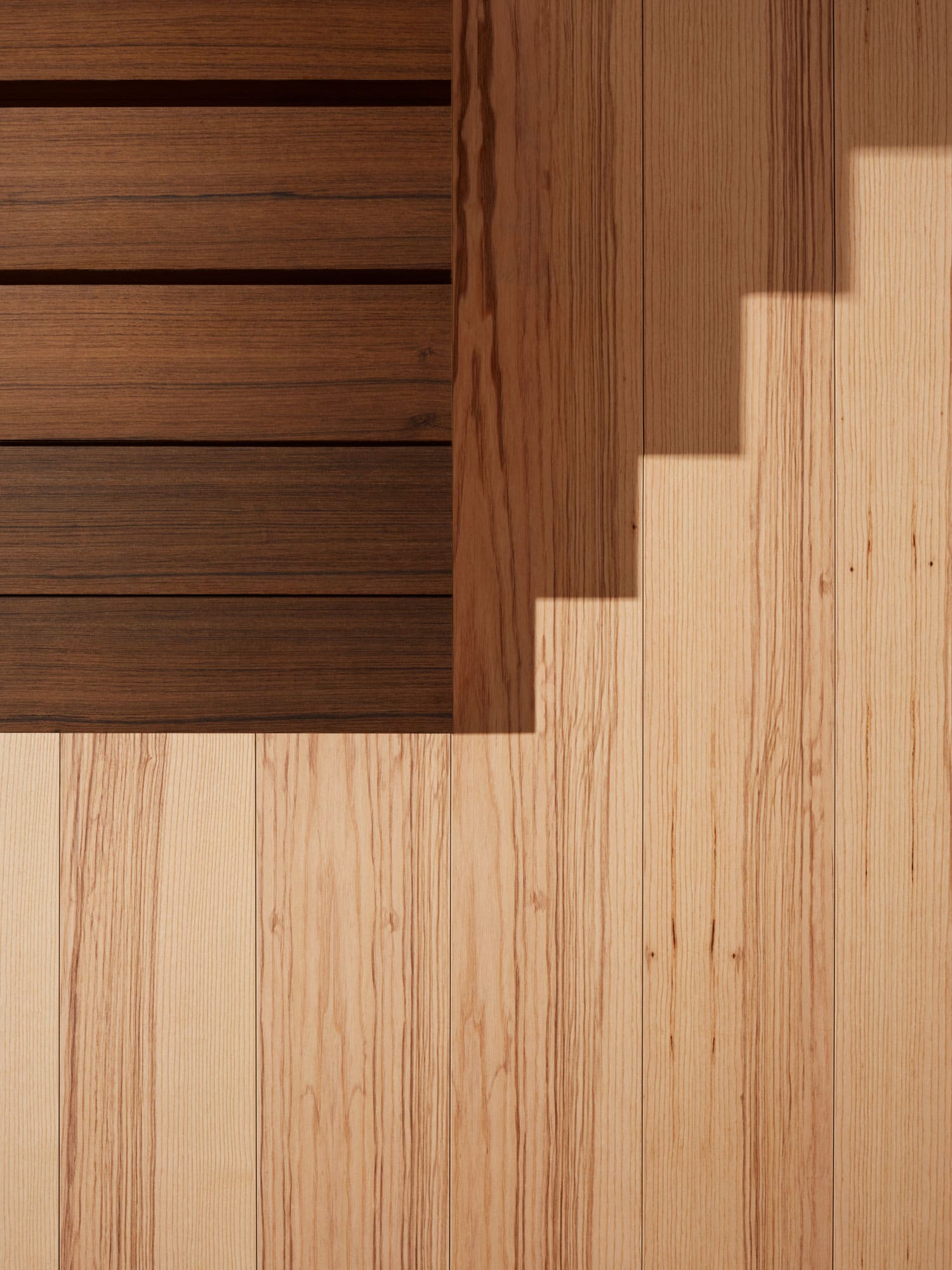
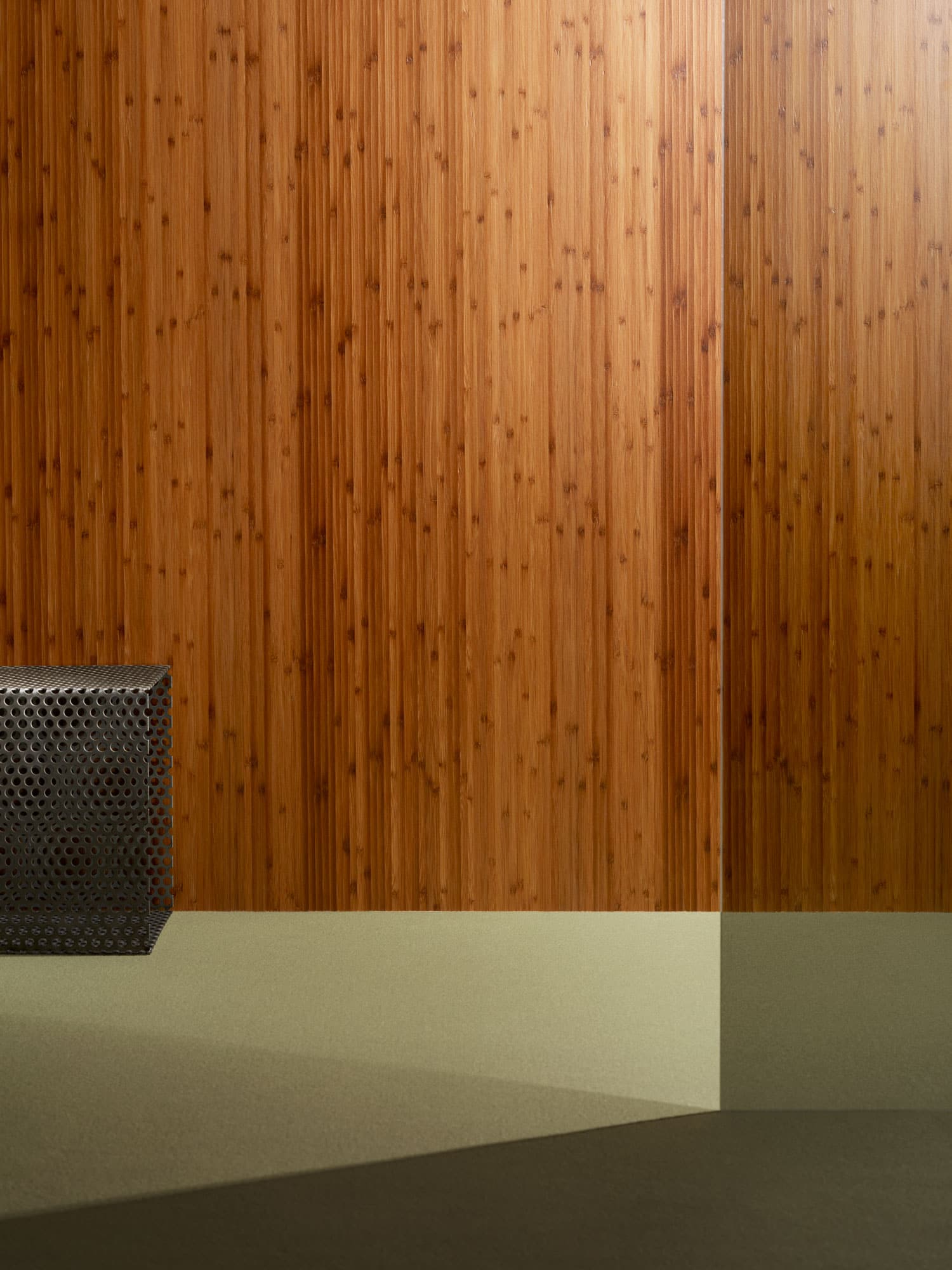
Healthcare architecture has evolved toward creating “healing-supportive environments” where natural materials play a critical role in patient recovery. Natural wood finishes in hospitals and care facilities are not merely an aesthetic choice but a decision grounded in scientific evidence demonstrating their ability to accelerate healing processes and reduce the need for painkillers. The strategic incorporation of natural wood in healthcare settings addresses the need to humanize environments traditionally dominated by sterile materials that can generate anxiety and stress in patients and their families.
Scientific Evidence of Natural Wood’s Impact in Healthcare Settings
Research in healthcare architecture has consistently documented the benefits of incorporating natural materials like wood in medical facilities. Studies in environmental neuroscience show that exposure to natural elements produces measurable physiological responses that aid recovery.
Documented Effects of Natural Wood in Healthcare Settings Include:
- Reduction of Physiological Stress: The visual presence of natural wood activates the parasympathetic nervous system, promoting relaxation states that support recovery
- Improved Psychological Well-Being: The organic patterns of wood grain and textures reduce mental fatigue and evoke feelings of calm
- Enhanced Acoustic Environment: Wood’s sound-absorbing properties contribute to quieter spaces, a critical factor for patient rest.
Parklex Prodema’s NATURHARDPANEL-W panels incorporate antibacterial properties and non-porous surfaces that prevent microbial colonization, essential features for healthcare environments.
Specific Therapeutic Benefits
Reduction of Hospital-Related Stress
Visual exposure to natural wood reduces cortisol levels, according to various studies. This reduction translates to lower anxiety, improved sleep quality, and greater patient cooperation with treatments.
Improved Pain Perception
Neurological research shows that the complex patterns of wood grain activate cognitive distraction mechanisms, reducing pain perception. The visual processing of these organic patterns creates states of “soft fascination,” enabling mental restoration.
Stabilization of Vital Signs
Studies in intensive care units demonstrate stabilized heart rates and blood pressure in patients exposed to natural wood elements, compared to environments dominated by stainless steel and synthetic surfaces.
Technical Applications in Healthcare Settings
Regulatory Compliance and Safety
Finishes for healthcare environments must meet specific fire reaction and resistance to hospital cleaning product standards. GRCLAD-W and NATURHARDPANEL-W F panels achieve B-s1,d0 ratings per EN 13501, allowing their use in evacuation routes and critical areas.
Resistance to Disinfection Protocols
The treated surface of NATURHARDPANEL-W panels withstands frequent cleaning with hospital-grade products, including isopropyl alcohol, diluted sodium hypochlorite, and enzymatic detergents, maintaining their aesthetic and antibacterial properties over time.
Integration with Hospital Technical Systems
NATURPANEL-W or NATURHARDPANEL-W panels allow the integration of complex installations such as medical gas systems, monitoring equipment, and technical lighting while providing the therapeutic benefits of natural wood in spaces traditionally dominated by technical materials.
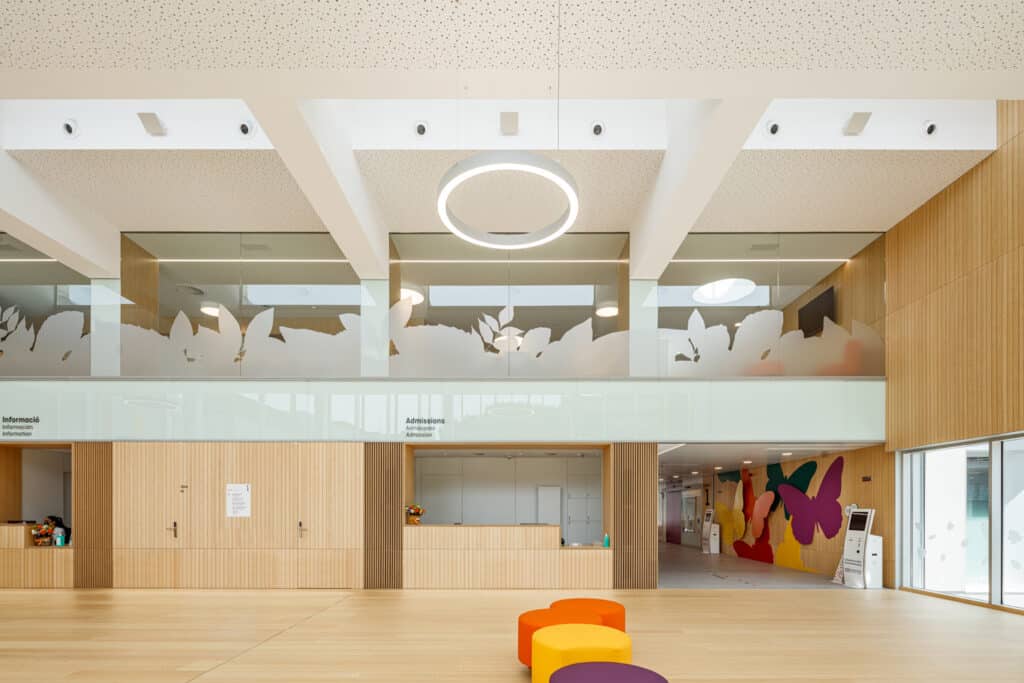
The Sant Joan de Deu Pediatric Cancer Center, designed by PINEARQ, uses NATURFLOOR-W bamboo flooring and antibacterial NATURPANEL-W paneling to create less institutional and more welcoming environments for young patients. Bamboo was selected for its rapid growth and natural antimicrobial properties.
Specific Benefits for Patients and Families
In pediatric units, natural wood helps reduce anxiety associated with prolonged treatments.
The presence of natural elements like wood finishes also alleviates stress for families spending extended periods in the hospital, enhancing their emotional support capacity for the patient and their own psychological resilience.
Design Considerations for Healthcare Spaces
Selection of Finishes and Species
In healthcare settings, species with naturally antibacterial properties, such as bamboo or certain tropical woods, are particularly suitable. Matte finishes prevent reflections that could discomfort patients with visual sensitivity.
Strategic Zoning
Implementation should consider varying needs: waiting areas require greater visual stimulation to reduce anxiety, while patient rooms need calmer environments with subtle visual stimuli.
Natural wood in healthcare architecture represents an evolution toward more humane healing spaces, where advanced medical technology coexists with elements that reconnect patients and caregivers with nature, accelerating recovery processes and improving the overall hospital experience.
Need specific technical advice for your project? Contact our team with no obligation to address technical questions, analyze specific requirements, or develop customized solutions.