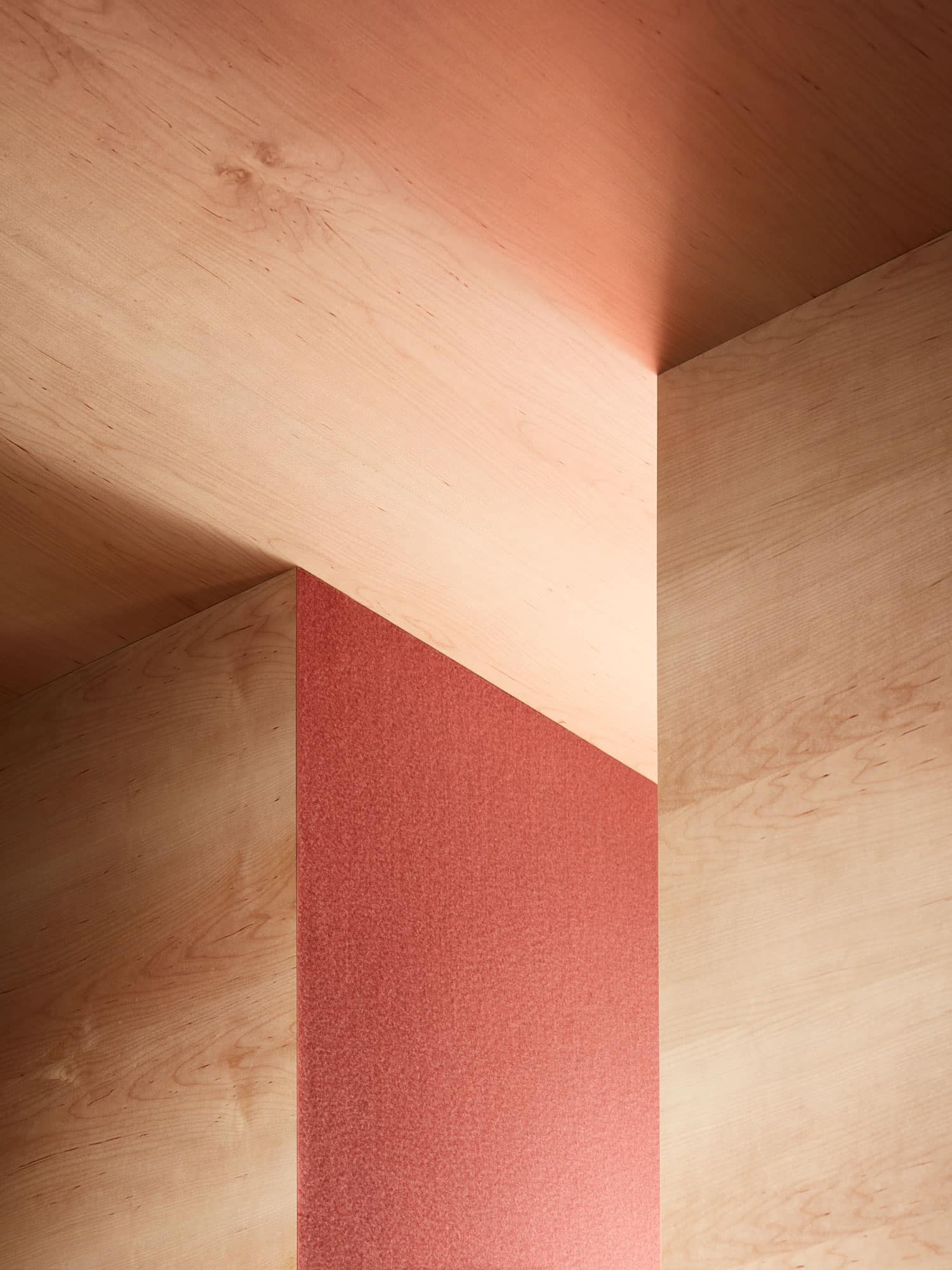
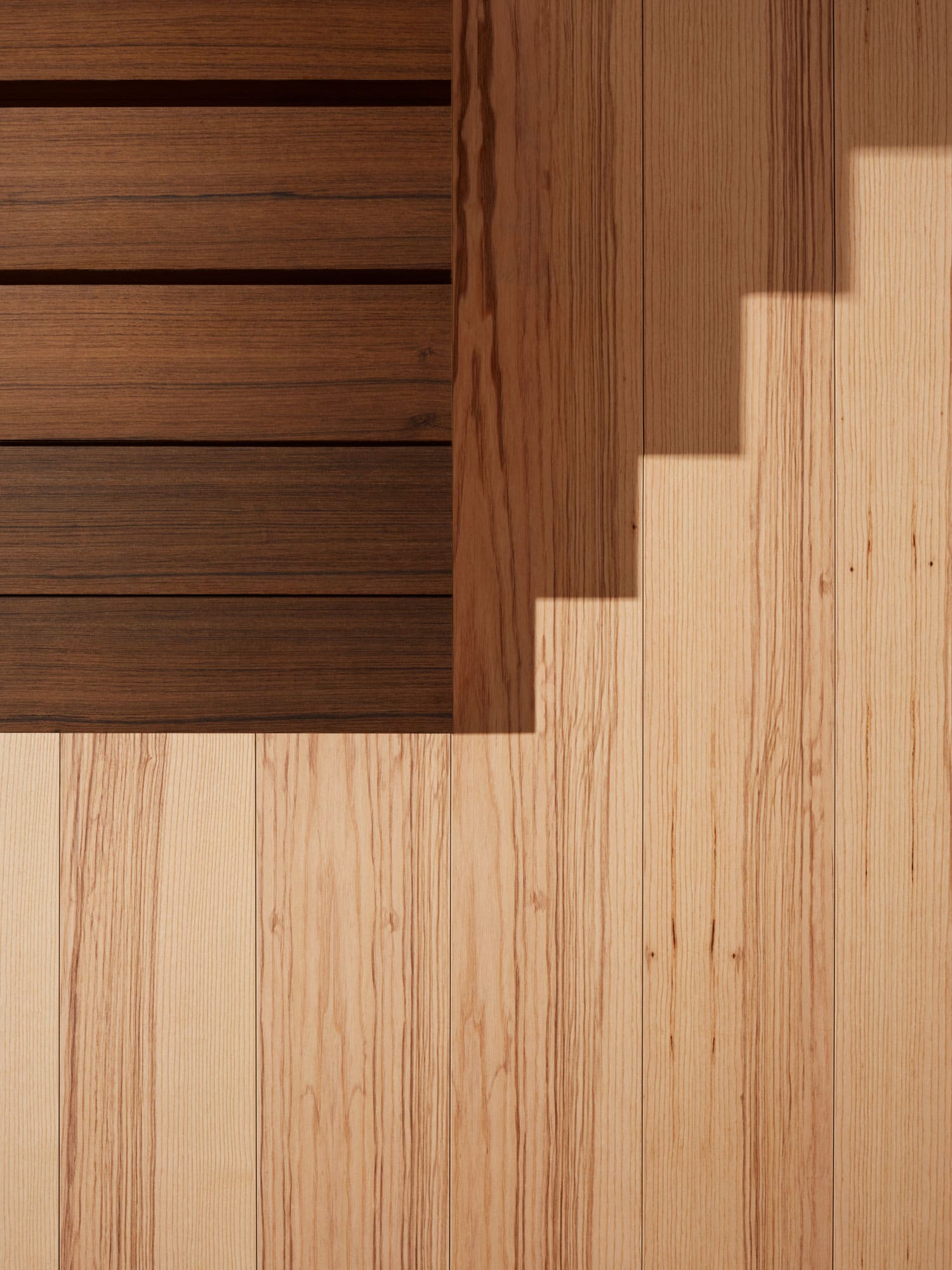
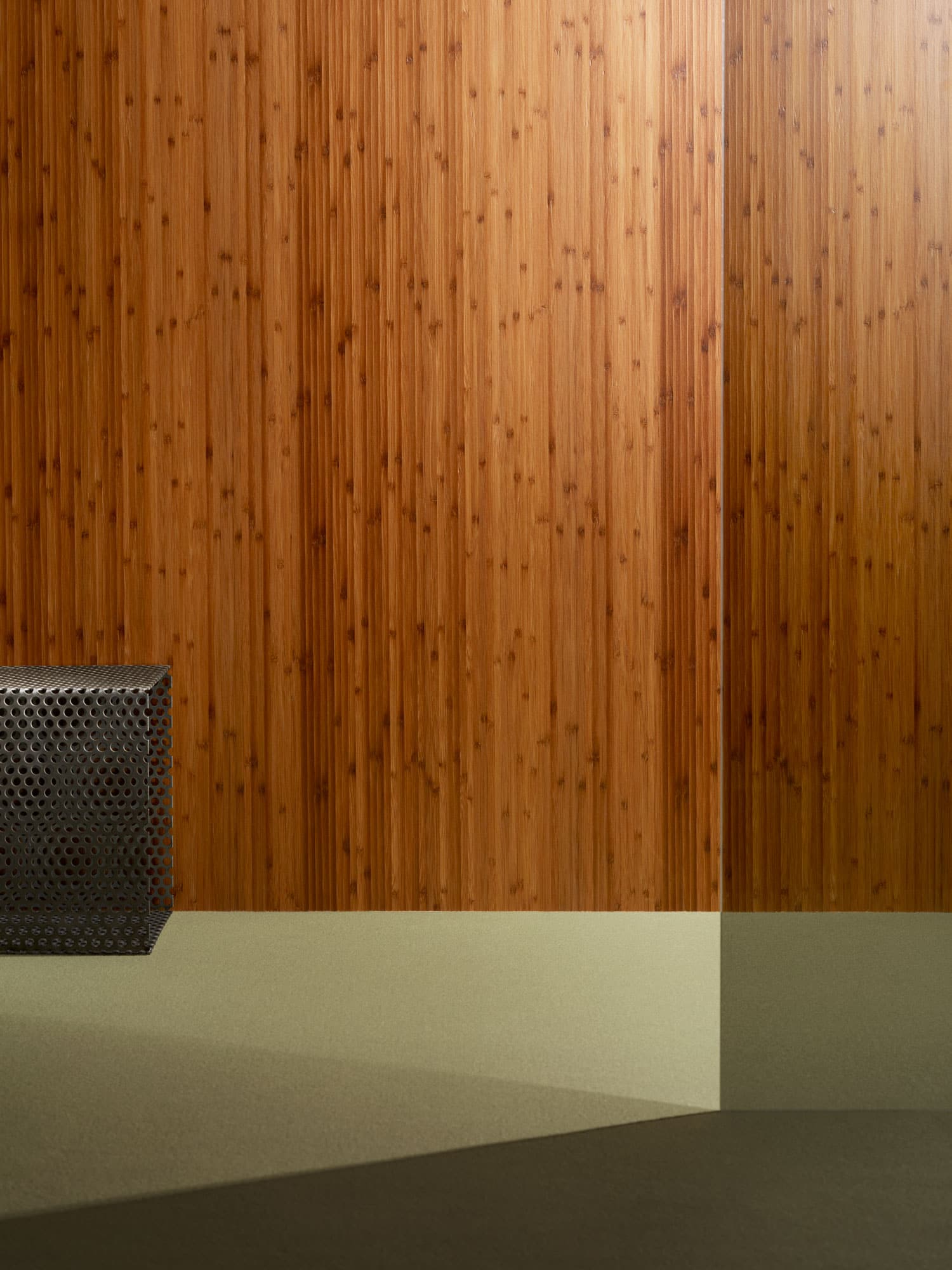
Exterior suspended ceiling systems with wood panels represent an advanced architectural solution that integrates the warmth and naturalness of wood into protected outdoor spaces, combining superior technical performance with refined aesthetics. These systems have evolved to meet the specific demands of outdoor applications, where weather resistance and dimensional stability are critical factors to ensure the durability and functionality of the architectural ensemble.
Typologies of Systems Based on Supporting Structure
The primary classification of exterior suspended ceiling systems is based on the type of supporting structure used, which determines both mechanical performance and spatial configuration possibilities:
- Suspended Systems with Metal Channels: These are the most versatile solution for large-scale spaces and complex geometries. The primary structure, made of galvanized steel or aluminum channels, allows for spanning considerable distances while maintaining flatness and ensuring resistance to wind loads typical of outdoor environments. NATURSOFFIT-W panels can be fixed using clip systems that facilitate both installation and potential disassembly for access to plenum installations, optimizing long-term maintenance costs.
- Supported Systems on Treated Wood Battens: These are particularly suitable for smaller-scale spaces such as residential porches, covered terraces, and pergolas, where material coherence is desired. Treated laminated wood battens provide a stable base and allow aesthetic integration with the wooden structural elements of the architectural ensemble, creating visually cohesive systems where the structure and cladding harmoniously interact.
- Hybrid Systems with Mixed Structures: These combine metal and wood elements based on the specific needs of the project, optimizing performance and costs. The primary metal structure ensures structural strength and durability against adverse environmental conditions, while secondary wooden elements facilitate panel fastener and contribute to the aesthetic ensemble, enabling customized solutions for specific applications.
Applications Based on Spatial Typology
Natural wood suspended ceilings find optimal application in various architectural contexts, adapting to different scales and functional programs:
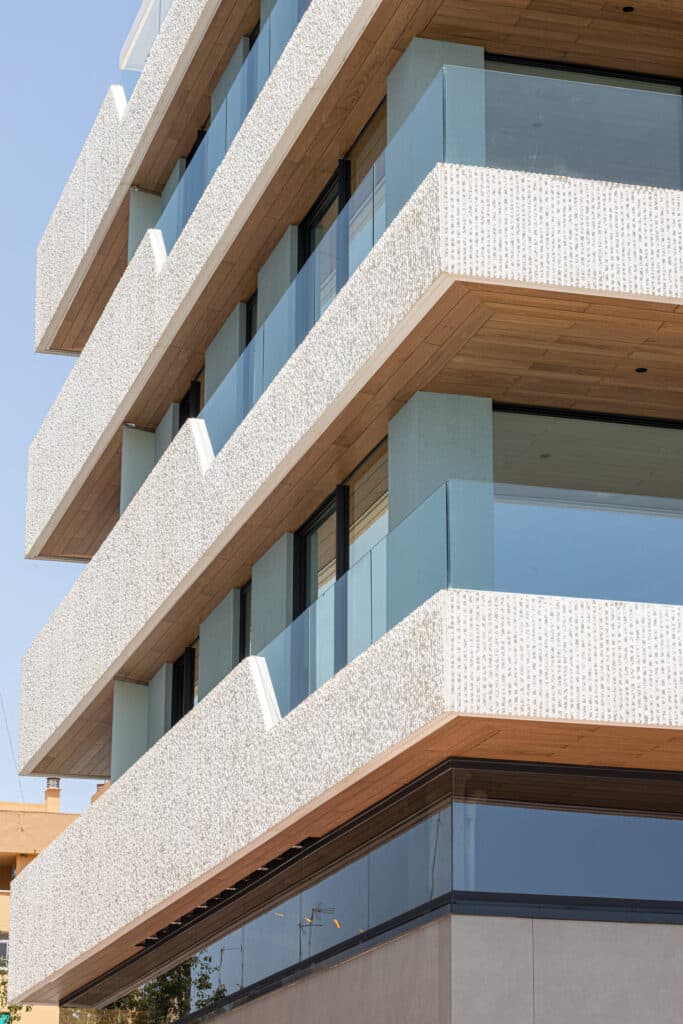
- Interior-Exterior Transition Spaces: Glazed lobbies, covered galleries, and double-height spaces where visual continuity between indoor and outdoor environments is sought. Implementing natural wood panels in these spaces creates a gradual transition that softens the contrast between materials, generating coherent spatial sequences that enhance the perception of fluidity between environments with different usage conditions.
- Horizontal Architectural Elements: Canopies, overhangs, and sun protection elements where the suspended ceiling contributes to both functionality and the building’s architectural expression. The Moody Center project at the University of Texas, designed by GENSLER, exemplifies this application through a curved canopy that integrates indoor and outdoor spaces, showcasing the formal and technical possibilities of these systems.
- Commercial and Hospitality Spaces: Covered terraces in hotels, shopping centers, and leisure spaces where resistance to intensive use and ease of maintenance are priorities. Natural wood claddings offer superior durability compared to traditional systems, maintaining their original appearance without requiring periodic surface treatments.
- Sports and Recreational Facilities: Semi-covered pavilions, protected grandstands, and leisure spaces where structural strength must be combined with thermal and acoustic comfort. The use of perforated panels optimizes acoustic conditions while preserving the natural aesthetic of wood.
Technical Installation Considerations
The installation of exterior suspended ceiling systems requires specific attention to factors such as ventilation, drainage, and accessibility, which are essential to ensure the system’s durability:
- Plenum Ventilation: Critical to prevent condensation and ensure system longevity in variable humidity conditions. A minimum 20 mm clearance between the suspended ceiling and the upper structure is recommended, with perimeter ventilation sized according to local climate conditions and building orientation. In humid or coastal climates, these values should be adjusted to ensure effective ventilation.
- Water Management: Systems must incorporate a minimum 1% slope toward drainage elements to prevent water accumulation that could compromise panel integrity or create unforeseen additional loads. Perimeter joints require specific waterproofing solutions coordinated with the building’s drainage systems, including hidden gutters and perimeter flashings.
- Maintenance Accessibility: The modularity of the systems allows targeted access to plenum installations through strategically placed removable panels, minimizing service interruptions. Planning these access points must be coordinated with the layout of mechanical, electrical, and HVAC installations running through the plenum.
- Wind Load Resistance: In outdoor applications, systems must be designed to withstand wind loads characteristic of open or semi-protected spaces. Panel fasteners should allow some flexibility to absorb deformations of the supporting structure without compromising the cladding’s integrity.
Need specific technical advice for your project? Contact our team with no obligation to address technical questions, analyze specific requirements, or develop customized solutions.