Architecture and Design
Articles, reports, and interviews showcasing case studies relevant to the world of current architecture and design.

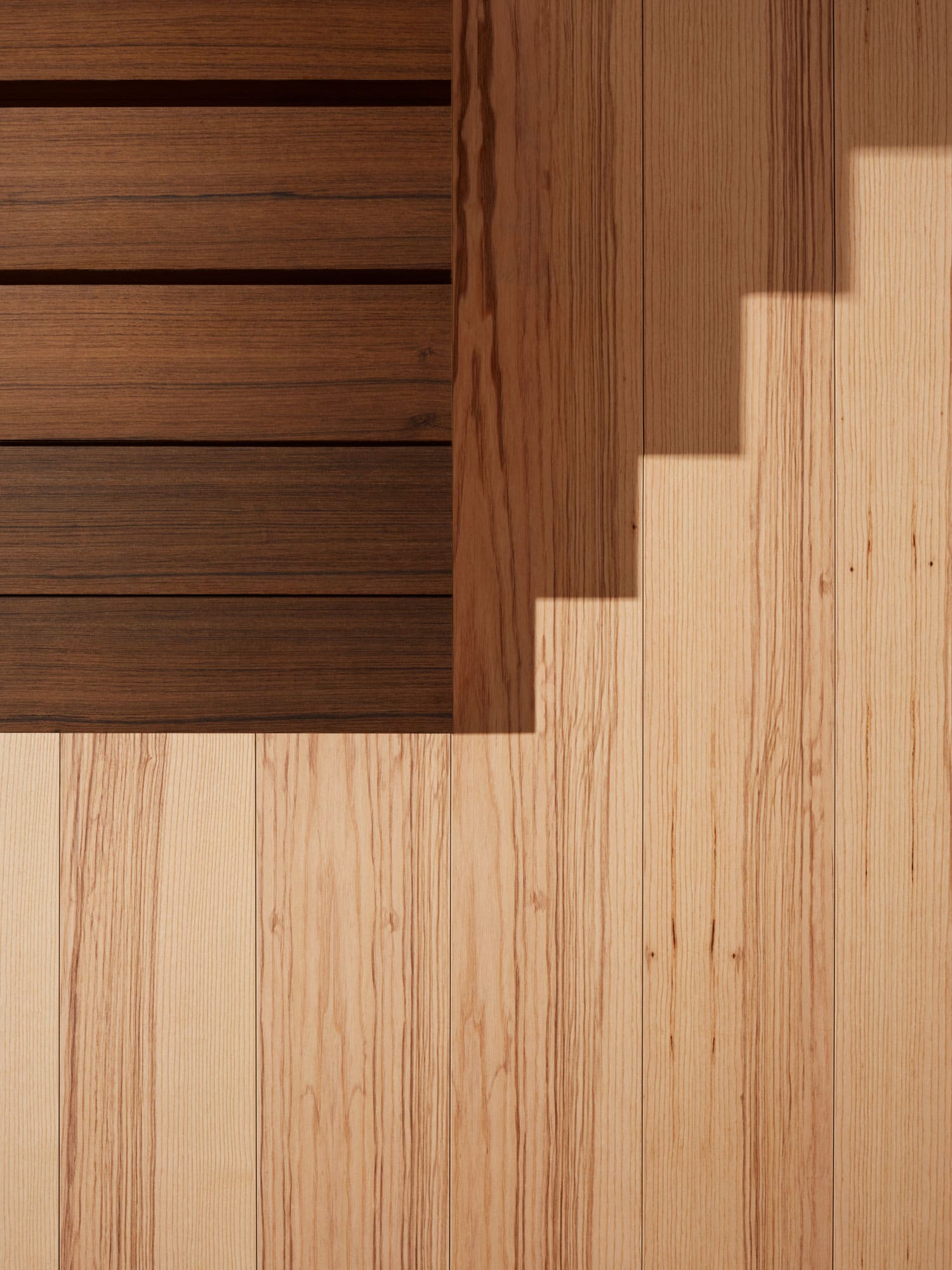
The wide variety of natural wood flooring available in today’s market calls for a systematic classification to enable architects to establish objective selection criteria. This technical and aesthetic comparison addresses the main types, focusing on their fundamental properties, recommended applications, and specific considerations for specification in architectural projects.
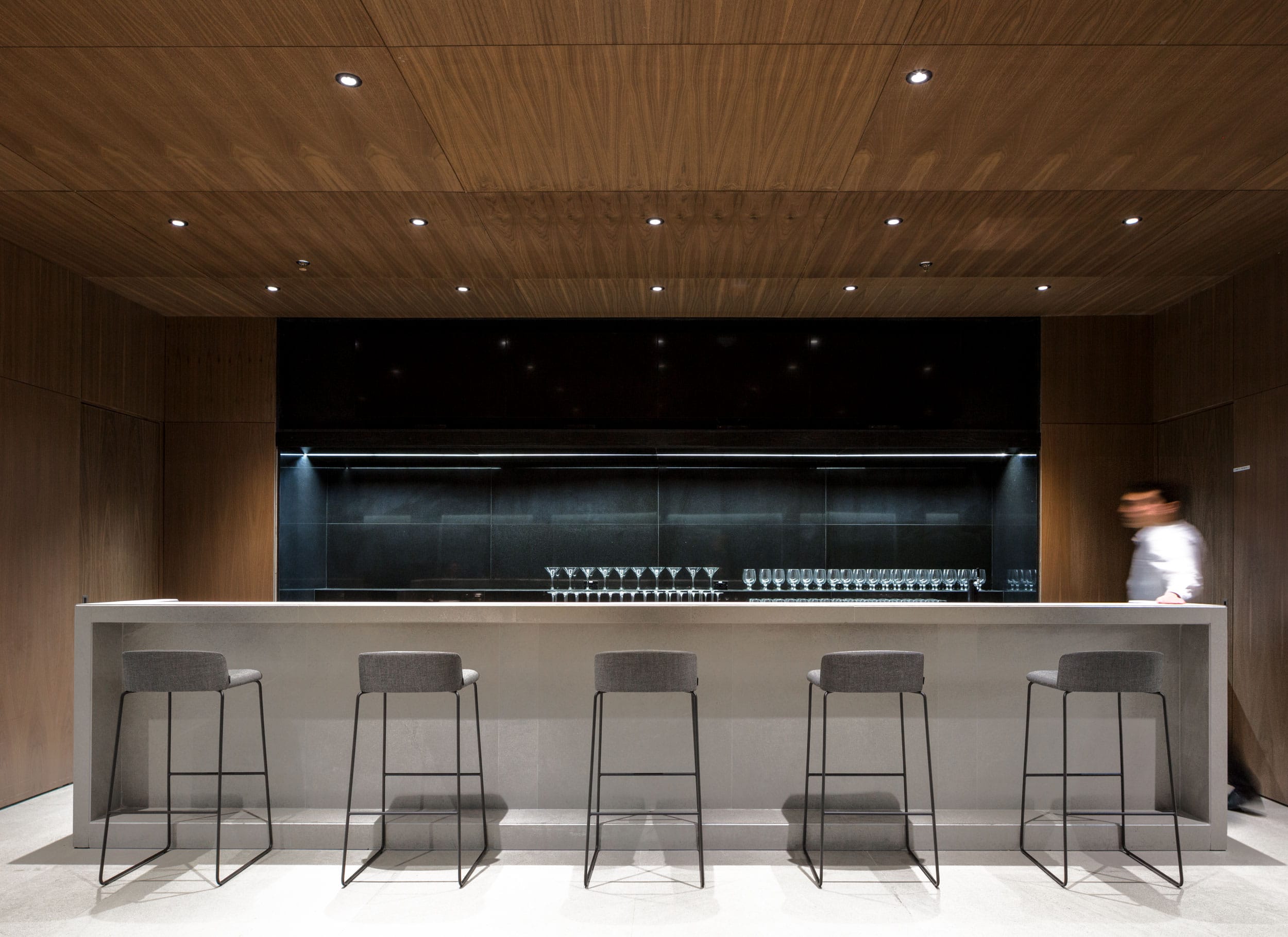
Natural wood suspended ceilings have undergone significant technical evolution, transitioning from primarily decorative elements to multifunctional construction solutions that simultaneously address aesthetic, acoustic, technical, and maintenance requirements. In contemporary architecture, these systems create spaces where the warmth of wood is complemented by advanced technical performance.
The implementation of natural wood ceilings offers multiple benefits, from creating visually welcoming spaces to improving acoustic performance and efficiently integrating technical installations. Advances in manufacturing have overcome traditional limitations of wood as a material for suspended ceilings, opening new design possibilities.
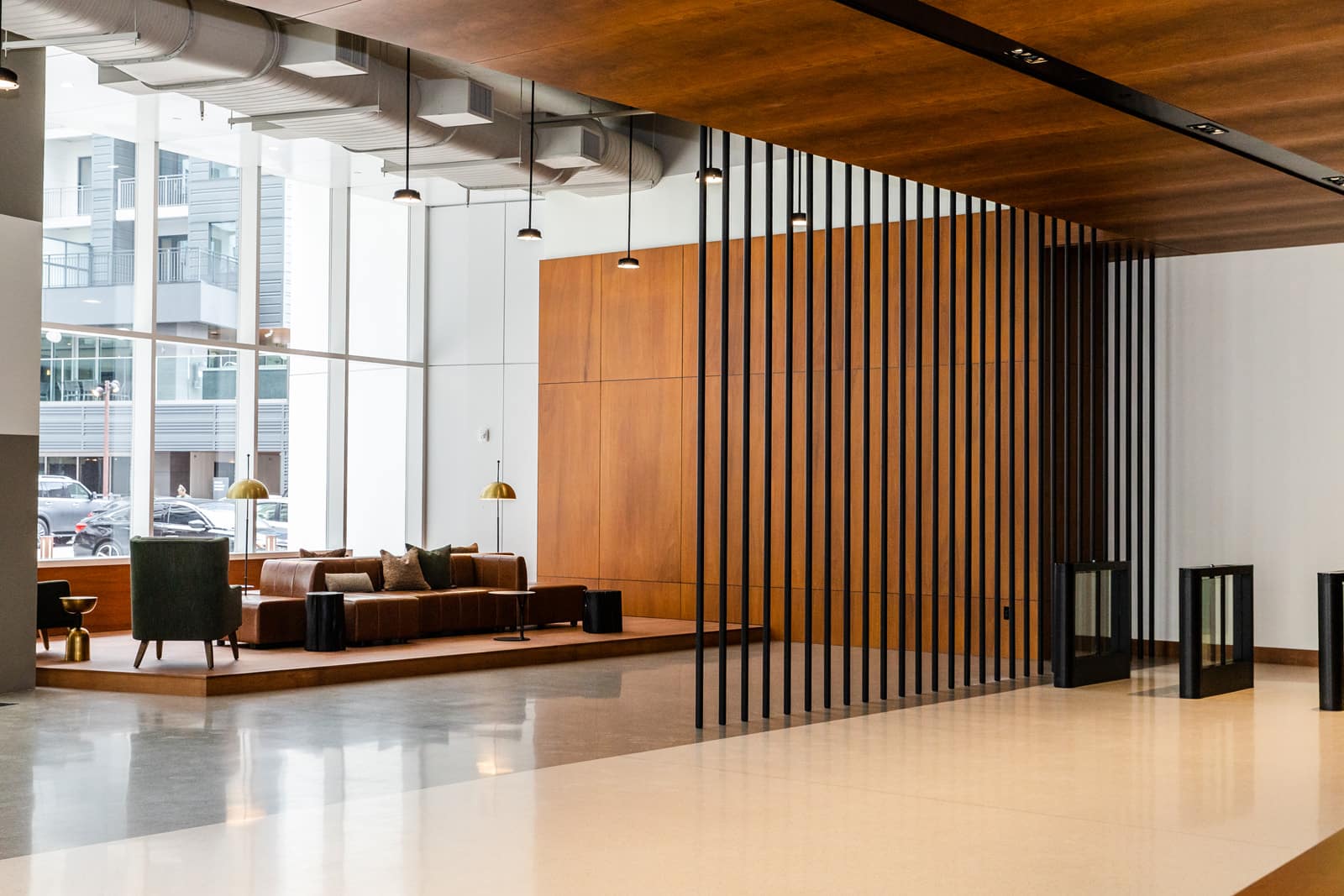
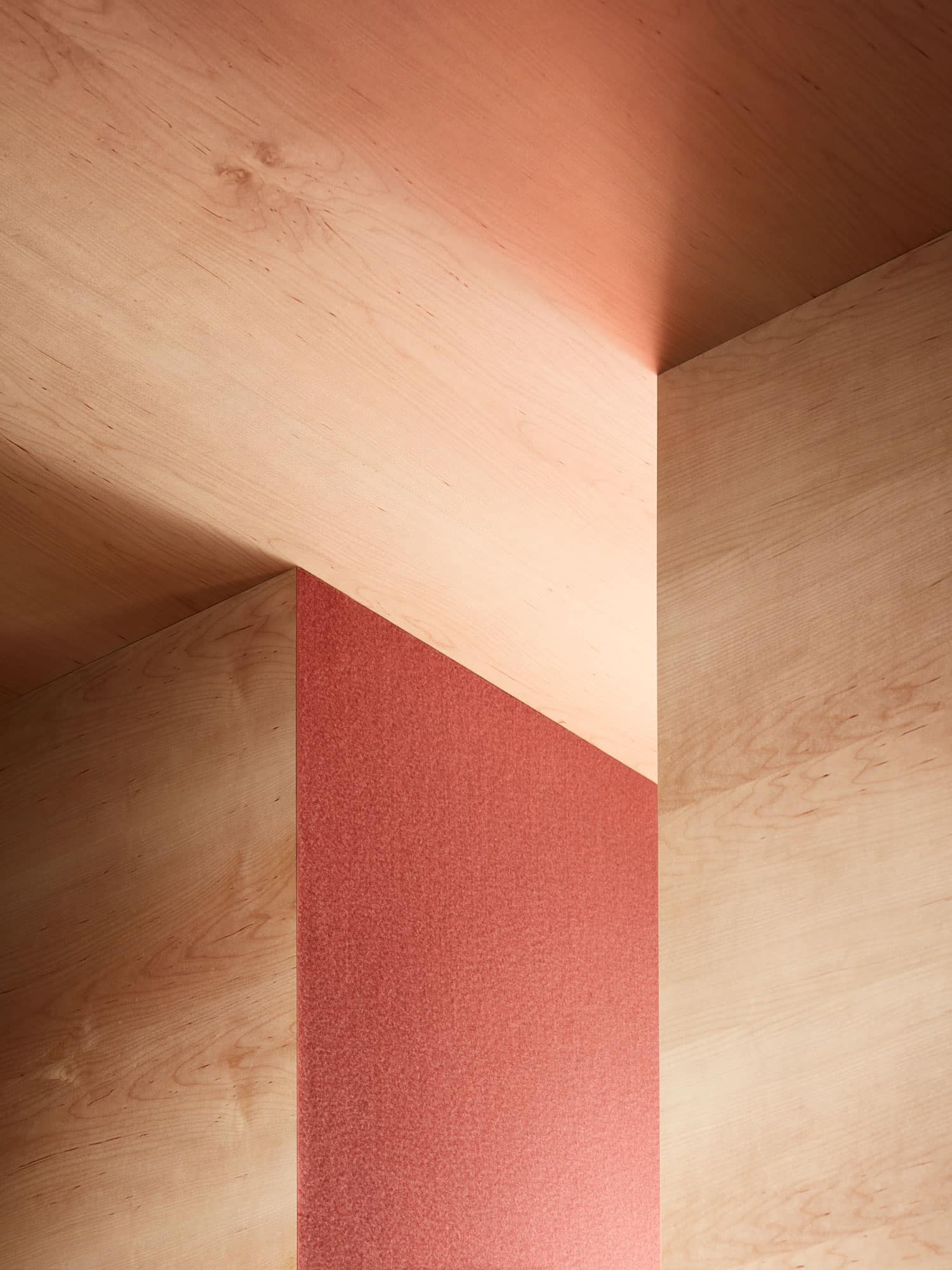
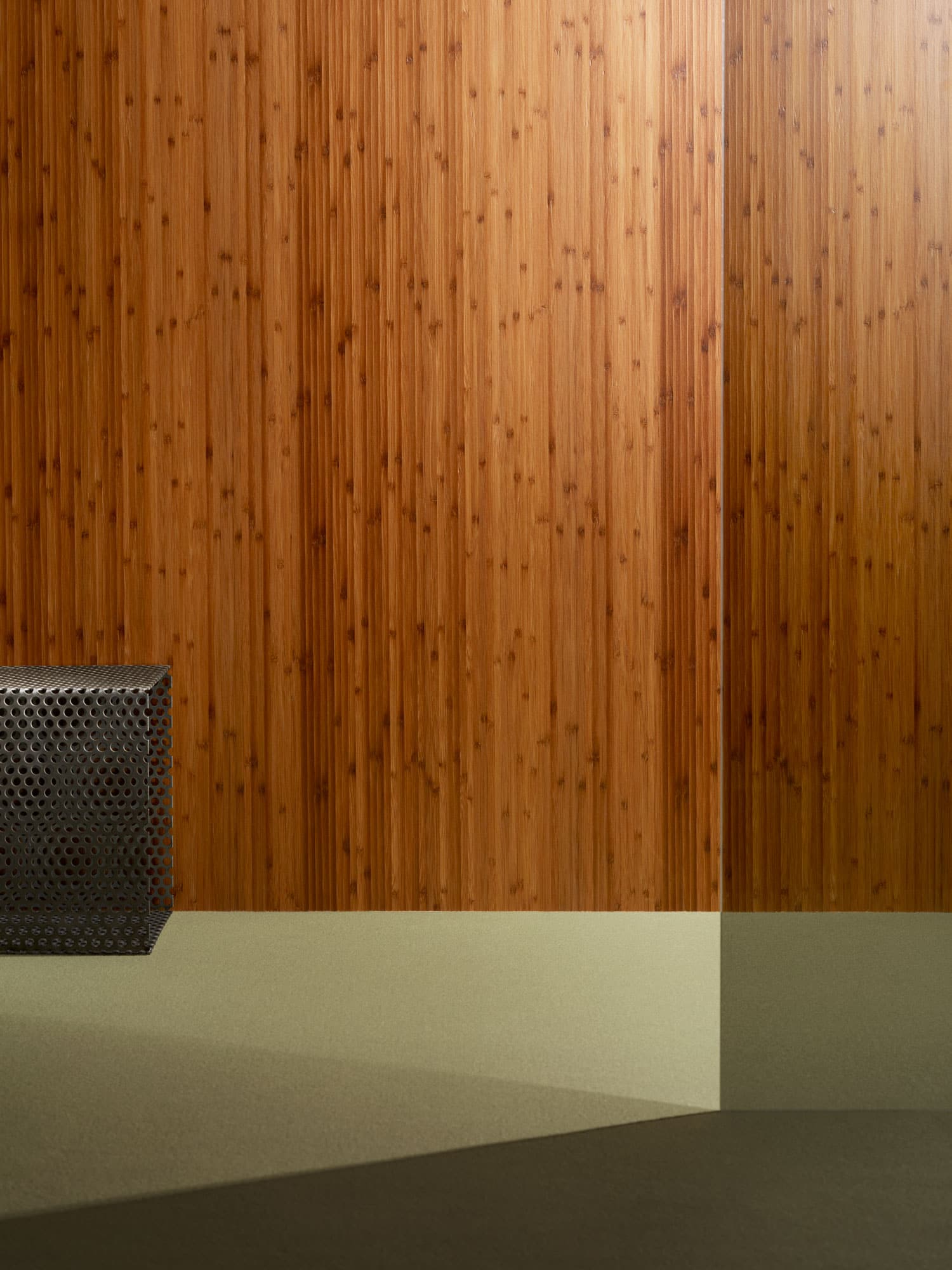
Wood wall paneling for interiors has undergone a profound transformation in contemporary architecture, evolving from purely decorative elements into comprehensive architectural solutions that combine functionality, durability, and aesthetic expressiveness. This evolution has been made possible by the development of high-performance natural wood panels that overcome the traditional limitations of wood while preserving its visual and tactile warmth.

Request more information
Any questions about our products or services? Contact us to resolve any questions or queries you may have.
Contact usPanels with natural timber
Parklex Prodema panels feature a surface layer with natural timber as opposed to printed paper, bringing a high-quality feel to facades and interiors.