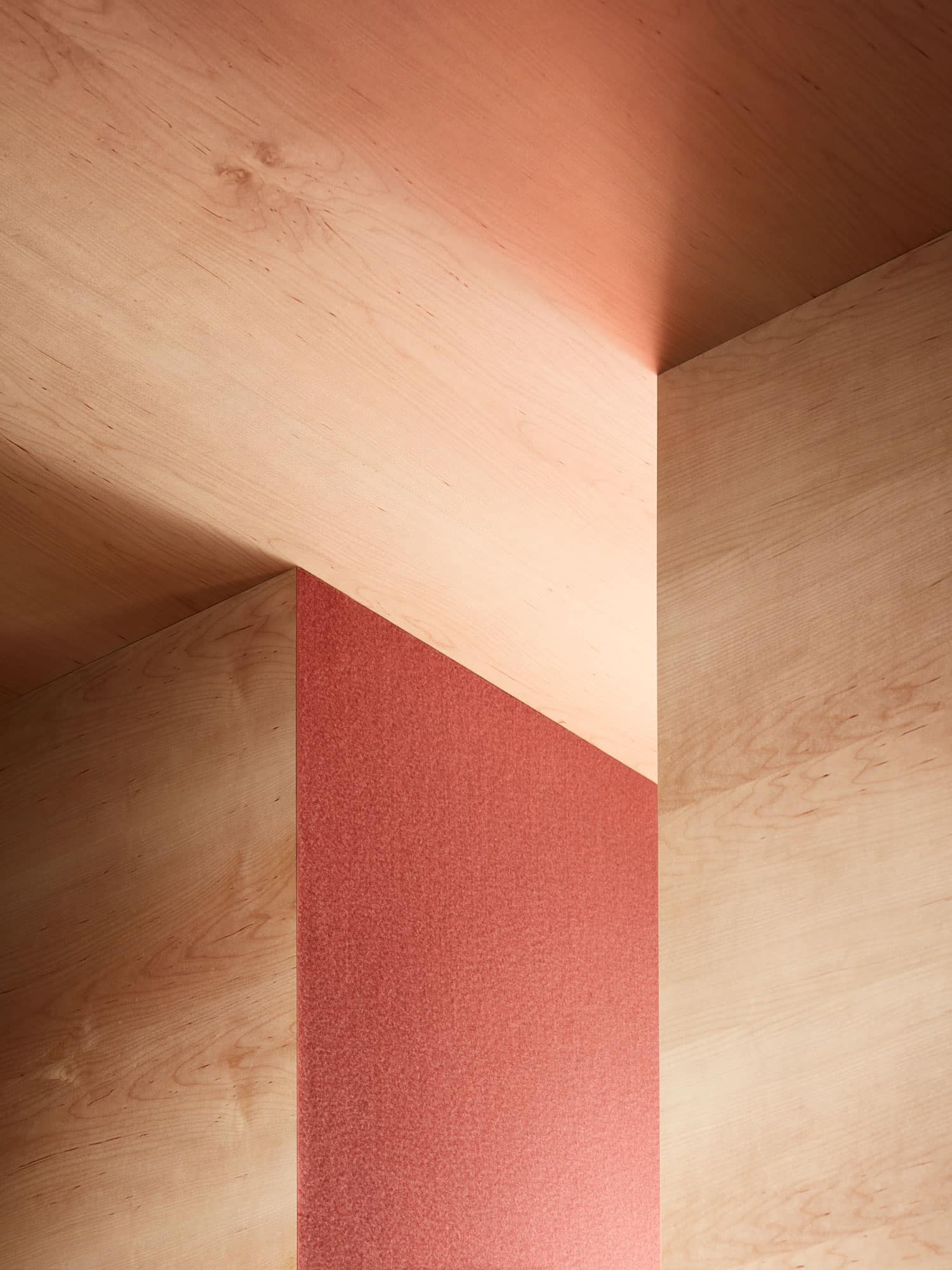
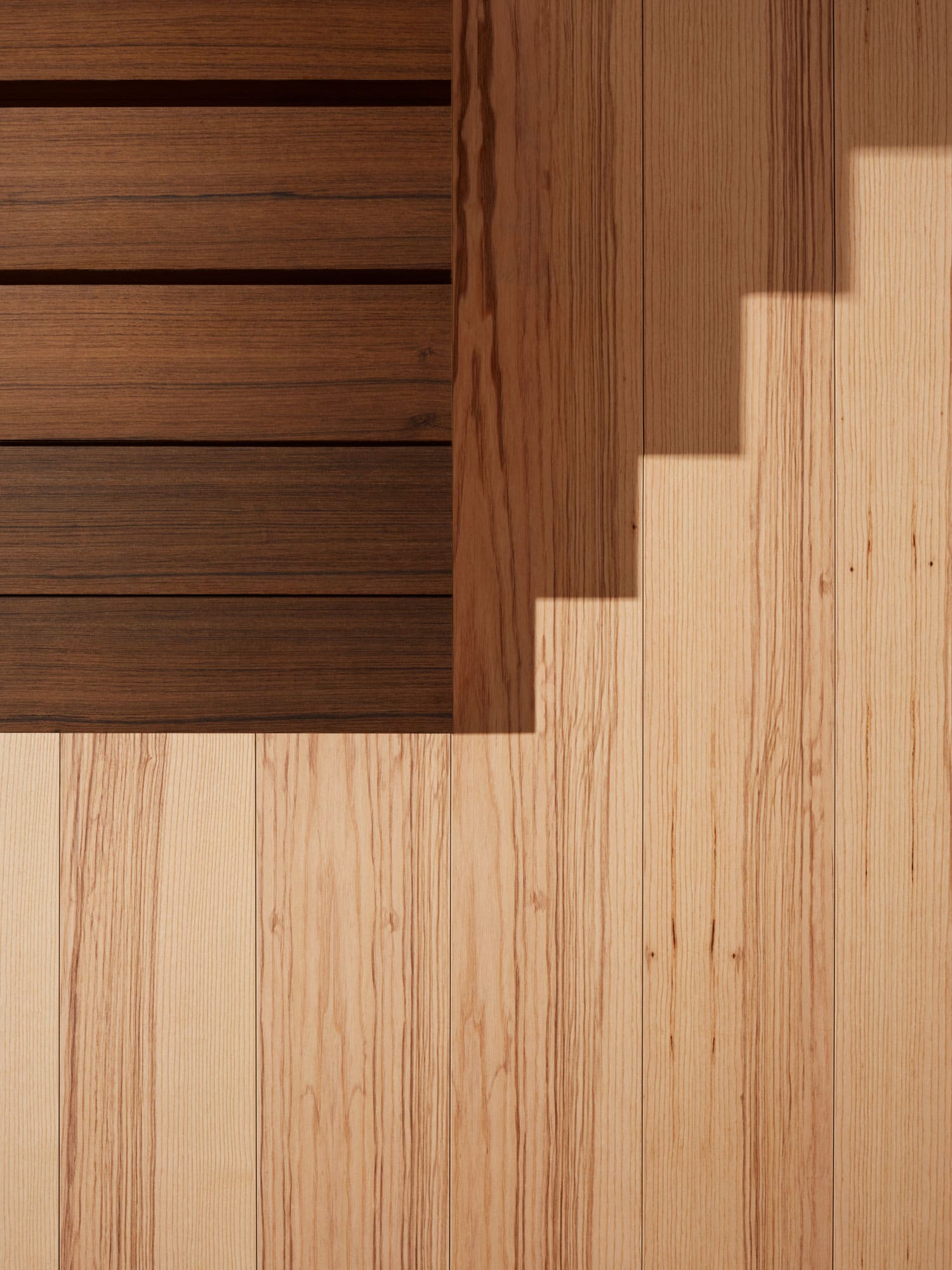
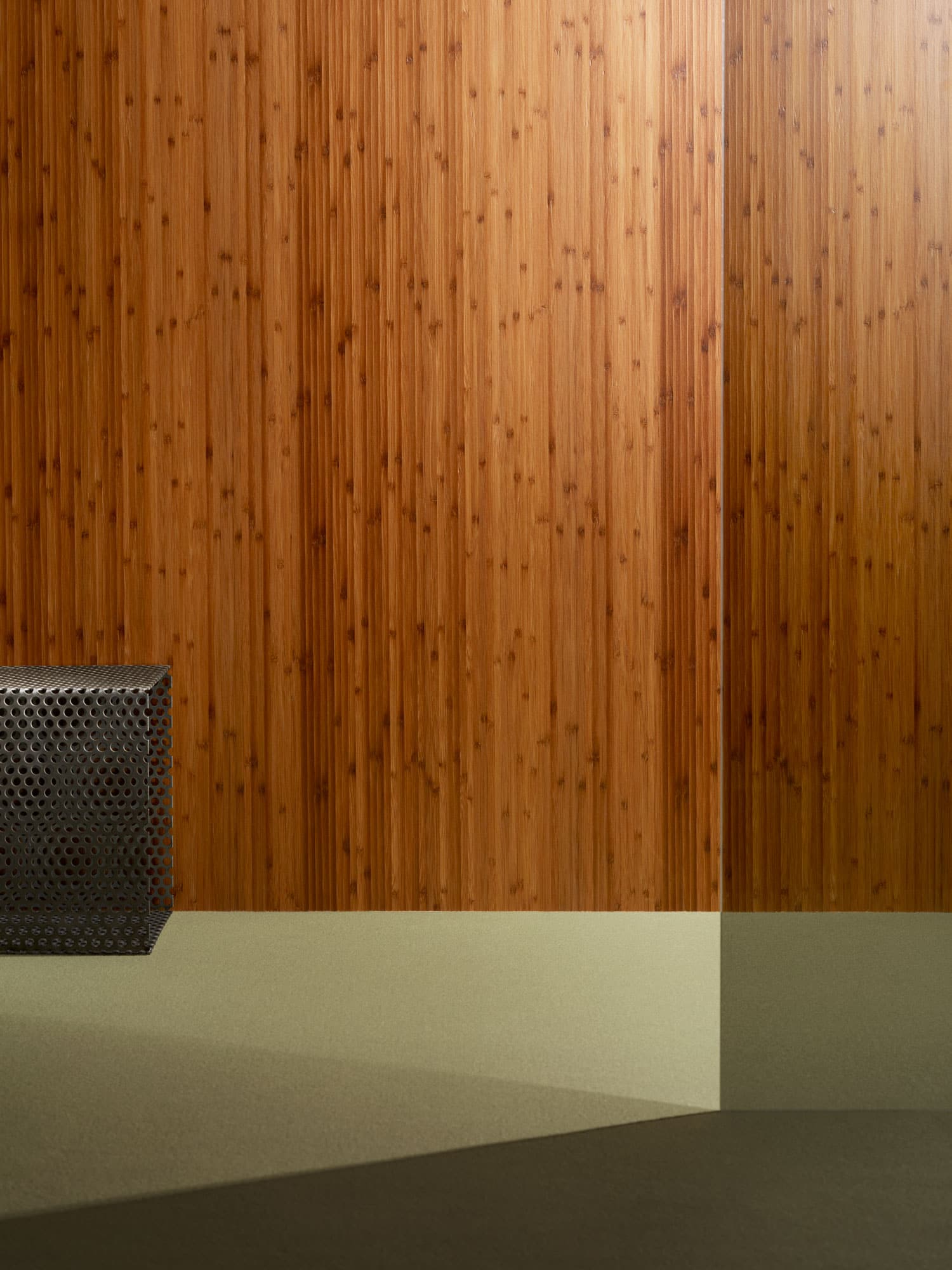
The integration of biophilia and productivity in work environments has been shown to produce measurable effects on employee performance. Natural wood finishes in workplaces not only add aesthetic warmth but also trigger physiological responses that enhance concentration, reduce stress, and increase job satisfaction. Neuroscience applied to architecture confirms that visual exposure to wooden elements elicits responses in the parasympathetic nervous system similar to those experienced in forest environments, fostering a state of “soft fascination” that supports cognitive restoration.
Scientific Evidence of Productivity Impact
Research published in the Harvard Business Review documented productivity increases in offices incorporating biophilic elements such as natural wood finishes. The study Economics of Biophilia by Terrapin Bright Green demonstrates that the presence of natural wood on at least 20% of visible surfaces leads to measurable improvements in cognitive performance.
Parklex Prodema’s NATURPANEL-W panels, with their natural wood surfaces and advanced technical properties, enable the implementation of biophilic strategies in corporate spaces without compromising durability or maintenance requirements. Their impact resistance and dimensional stability make them ideal for high-traffic areas where traditional wood would be unsuitable.
Physiological Benefits in Work Environments
Stress and Cortisol Reduction
Studies from the University of British Columbia measured a 12% reduction in cortisol levels following exposure to spaces with natural wood finishes. This decrease translates to reduced mental fatigue, improved decision-making, and greater resistance to workplace burnout.
Improved Perceived Air Quality
Natural volatile organic compounds emitted by wood, primarily terpenes, produce positive psychophysiological effects, including reduced blood pressure and enhanced immune responses, creating healthier work environments.
Enhanced Sustained Attention
The organized complexity of wood grain patterns, such as those in American oak or walnut, reduces attentional fatigue. Additionally, wood finishes can create warm atmospheres without compromising the acoustic requirements of workspaces.

Strategic Implementation in Corporate Spaces
Selection of Species and Finishes
Wood species with pronounced grain patterns, such as American oak or eucalyptus, provide greater visual stimulation and cognitive benefits. For spaces requiring lower sensory stimulation, such as focus rooms, species with subtler grain patterns, like birch, are more suitable.
Optimal Spatial Distribution
Strategic placement should ensure wood finishes are within the peripheral visual field (15-60° from the central axis), as this is particularly effective for promoting well-being without distracting from primary tasks. In collaborative workspaces, finishes can cover entire vertical surfaces, while in individual workstations, they are more effective in focal areas.
Integration with Technical Systems
Suspended ceilings with NATURPANEL-W allow for the integration of technical installations while maintaining the visual continuity of wood. Their ability to incorporate specific perforations for HVAC or lighting elements facilitates the creation of technically advanced spaces with biophilic benefits.
Case Studies in Corporate Environments
The Nida offices, designed by RAAM Architecture, demonstrate the effectiveness of integrating NATURFLOOR-W American oak flooring to differentiate functional areas while maintaining material coherence. This application is particularly demanding due to intensive use with wheeled chairs and constant equipment movement.
The project showcases how natural wood finishes can withstand heavy-use conditions while delivering the psychophysiological benefits of biophilic design, creating more human-centered and productive workspaces.
Need specific technical advice for your project? Contact our team with no obligation to address technical questions, analyze specific requirements, or develop customized solutions.