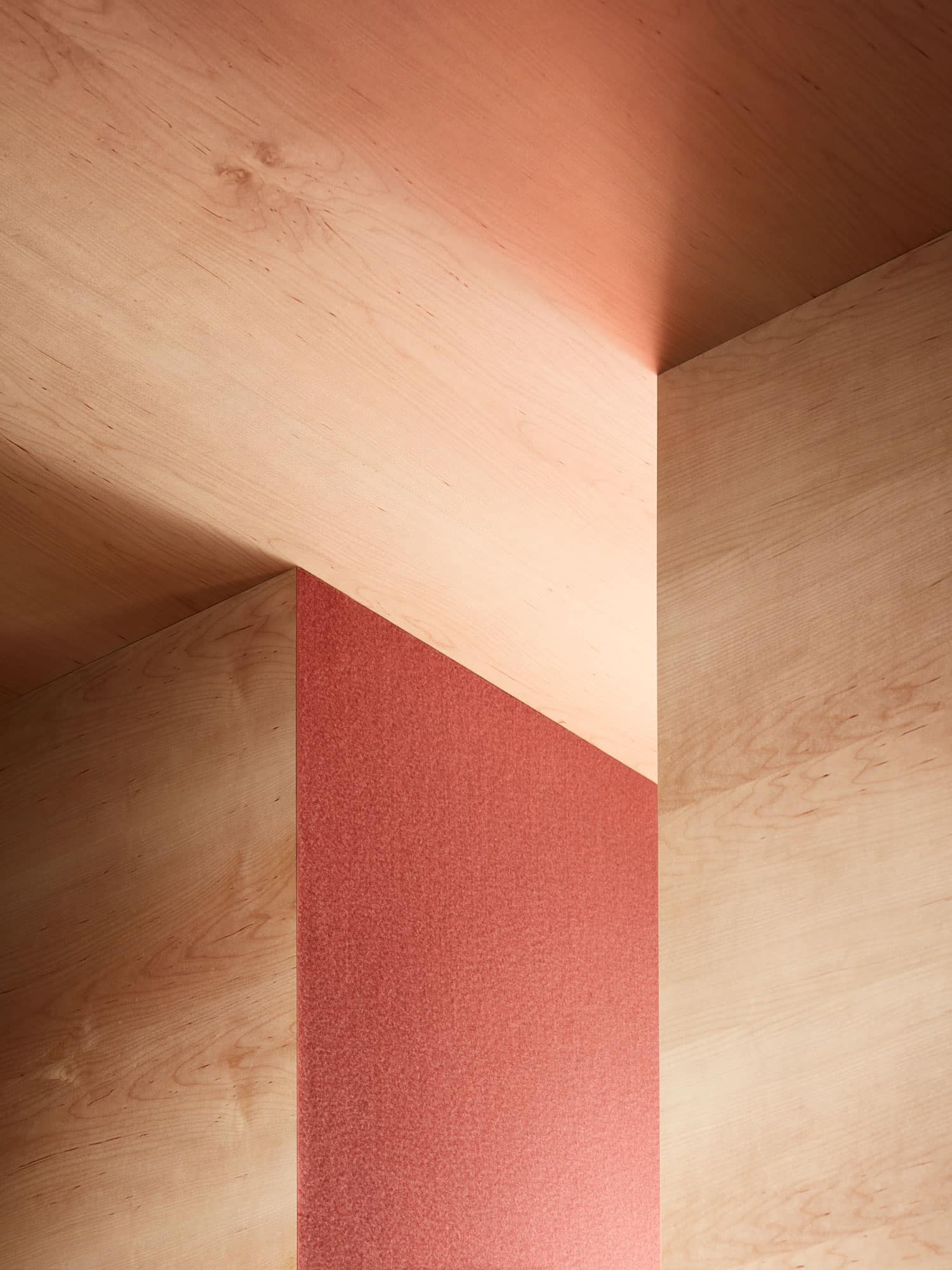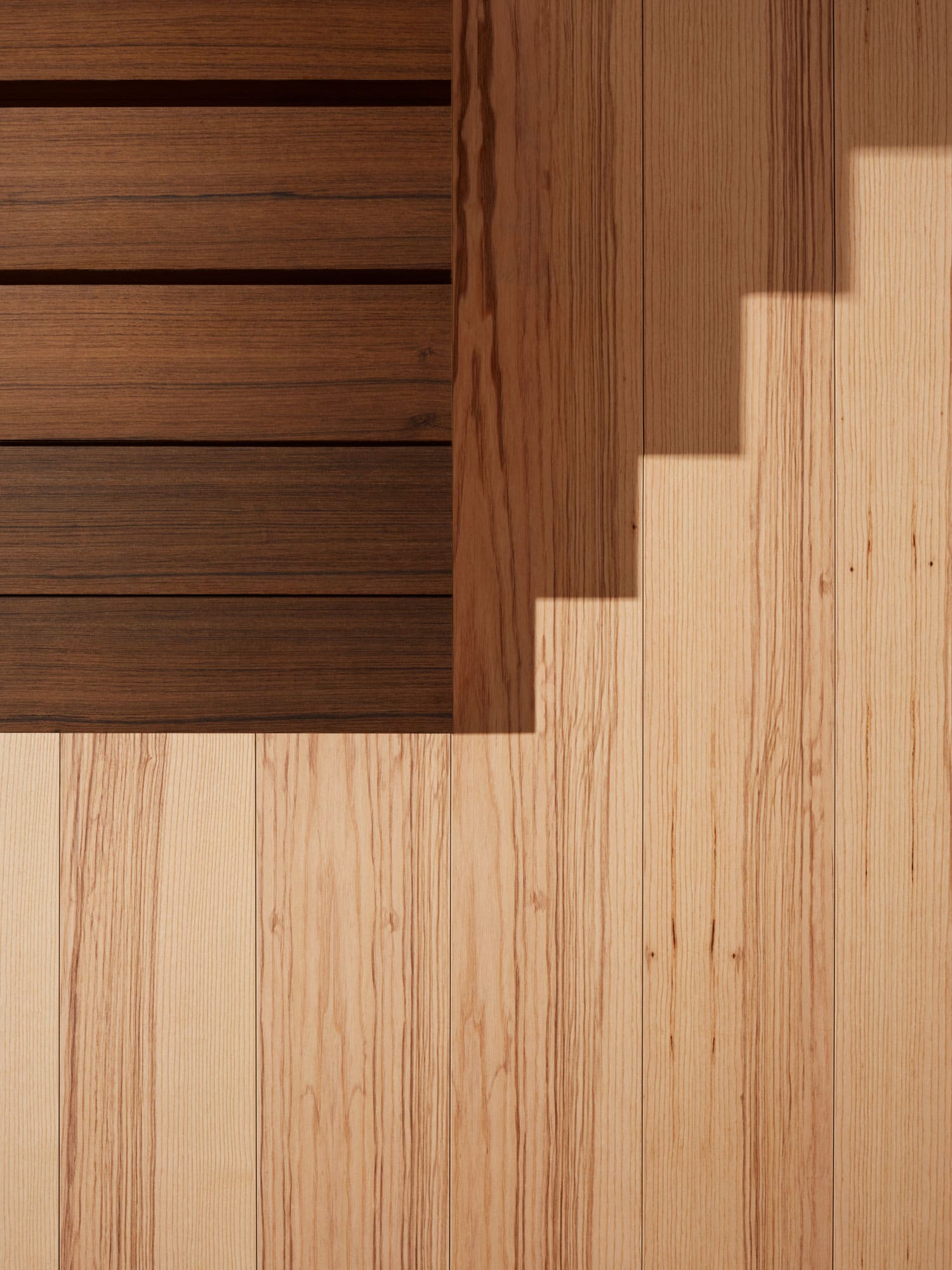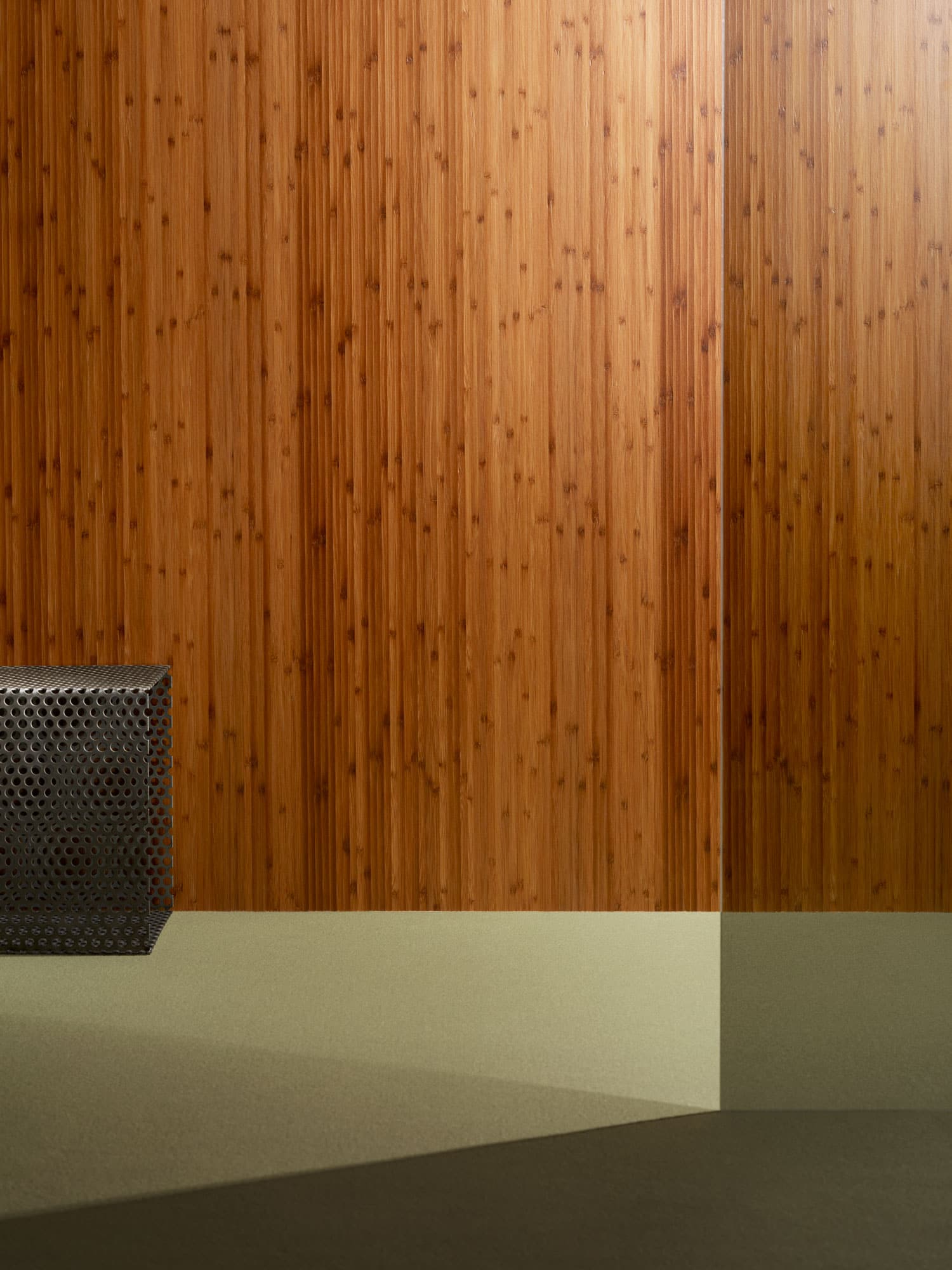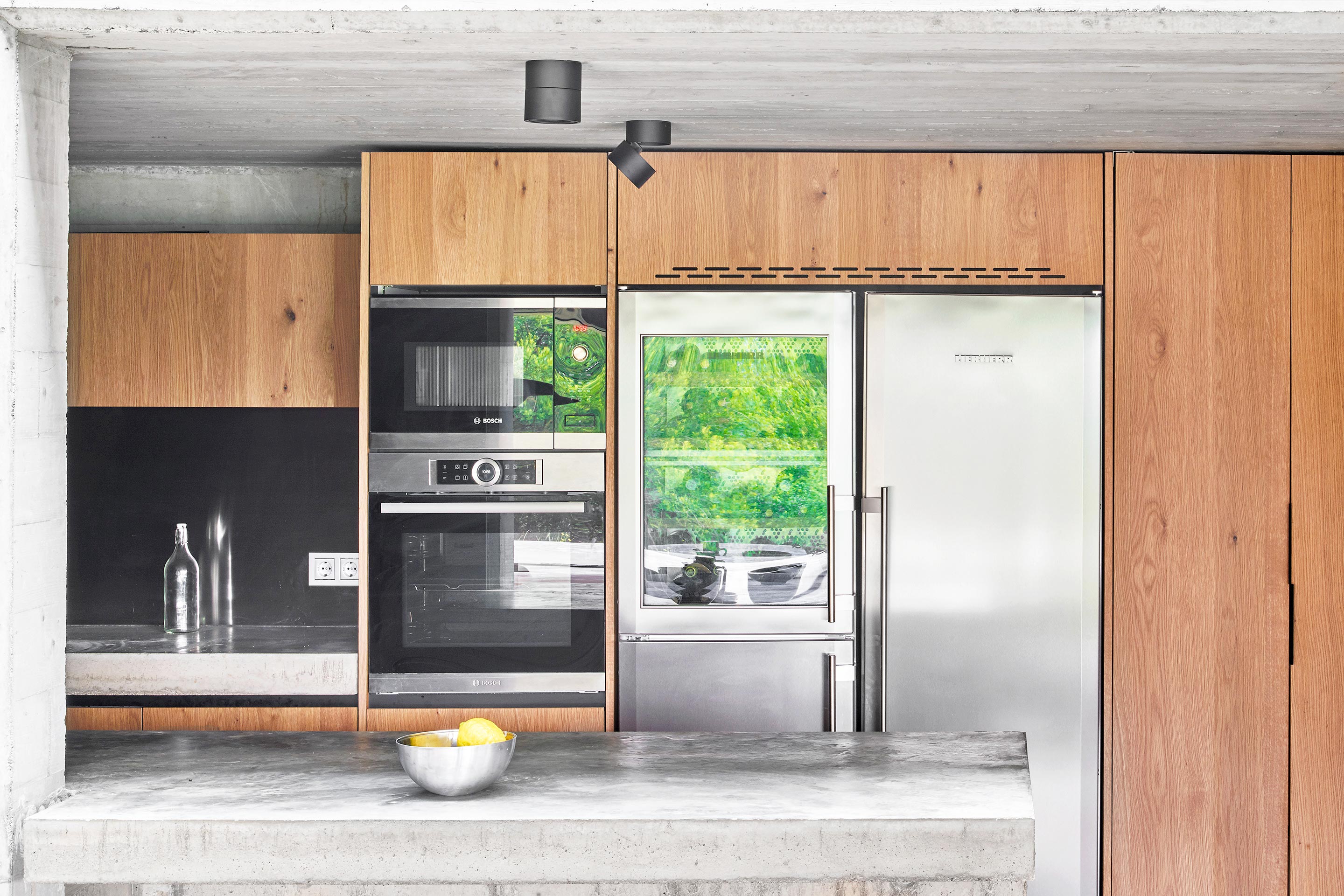
The incorporation of natural wood finishes in kitchens has experienced exponential growth in recent years, driven by technological advances that have overcome the traditional limitations of this material. These innovations have opened new possibilities for using natural wood in humid spaces like kitchens, thanks to surface treatments that not only withstand the demanding conditions of these environments but also incorporate the antibacterial properties of natural wood, which are essential for such areas.
Innovation in Natural Wood for Kitchen Environments
Contemporary kitchen wall paneling faces specific challenges: exposure to humidity, vapors, splashes of grease and food products, and the need for rigorous hygiene. Technological evolution has enabled the development of natural wood panels that effectively meet these demands.
Advanced Antibacterial Treatments
High-performance natural wood panels for kitchens incorporate specific surface treatments that provide active protection against microorganisms:
- Ionic technology: incorporation of silver ions into the surface coating matrix, which inhibit the growth of bacteria and fungi.
- Non-porous surfaces: treatments that completely seal the wood surface, eliminating micropores where microorganisms could proliferate.
- Hydrophobic properties: coatings that repel water and prevent the formation of bacterial biofilms.
These technologies are applied without compromising the natural appearance of the wood, keeping its characteristic grains and textures visible to add warmth to the kitchen space.
Specific Technical Performance for Kitchens
Natural wood wall paneling for kitchens must meet very specific technical requirements:
Resistance to Demanding Conditions
- Thermal resistance: ability to withstand occasional or continuous exposure to high temperatures without deformations or surface alterations.
- Stability in humidity: controlled behavior that prevents rapid absorption while maintaining the necessary vapor exchange capacity for hygrothermal balance.
- Stain resistance: tolerance to contact with common kitchen substances such as oils, fats, acids (vinegar, lemon), weak alkalis (detergents), and coloring agents (coffee, wine, spices).
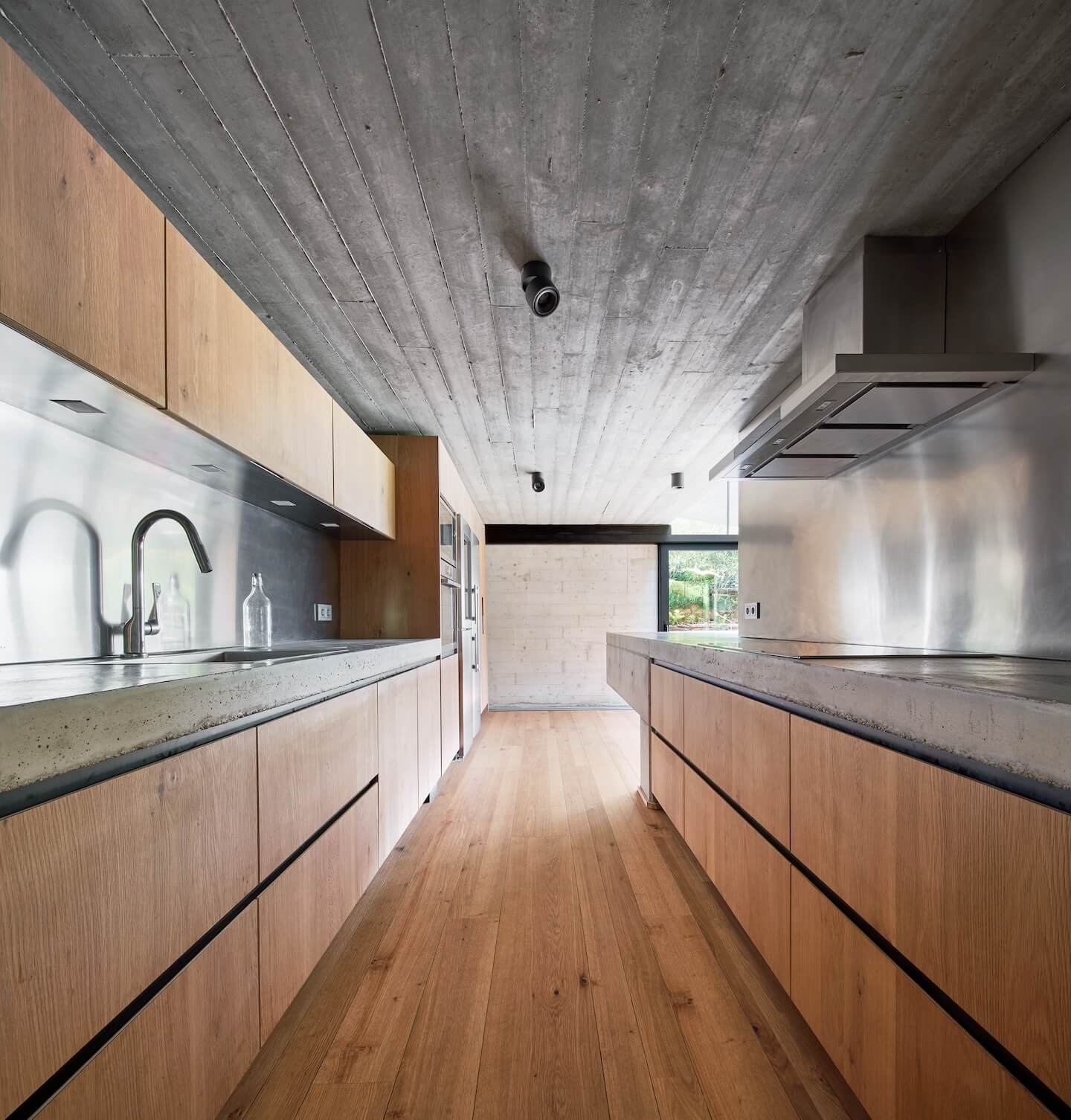
The NATURHARDPANEL-W and NATURPANEL-W panels from Parklex Prodema incorporate these features, allowing their application in kitchen areas with guarantees of durability and reduced maintenance.
Architectural Applications in Kitchens
The versatility of natural wood wall paneling allows for different integration strategies in kitchen design:
Fronts and Areas Between Cabinets
Natural wood panels offer a warm alternative to traditional ceramic or metallic paneling in areas between lower and upper cabinets. For these applications, specific considerations are required:
- Sealing at junctions with countertops using food-grade silicone.
- Special treatment in areas near heat sources such as cooktops or ovens.
- Fastening that allows for differential movements between materials with different expansion coefficients.
Islands and Vertical Surfaces
In kitchen islands and vertical surfaces, natural wood wall paneling adds warmth and aesthetic coherence:
- It enables visual continuity with other areas of the home.
- It provides resistance to the intensive use typical of these central elements.
- It facilitates the integration of lighting and other technical elements.
The application of antibacterial natural wood wall paneling in kitchens represents an architectural solution that combines functionality, resistance, and aesthetic warmth, allowing for the creation of more welcoming spaces without compromising the hygienic demands inherent to these environments.
Need specific technical advice for your project? Contact our team with no obligation to address technical questions, analyze specific requirements, or develop customized solutions.