Exterior wood claddings face specific challenges depending on the climatic environment in which they are installed. Each geographic region presents unique conditions that require tailored maintenance strategies to ensure the durability and preserve the aesthetic appeal of natural wood facades. Understanding these climatic factors is crucial for architects aiming to specify cladding solutions suited to the specific environmental conditions of each project.
Extreme Climatic Conditions and Their Impact on Wood
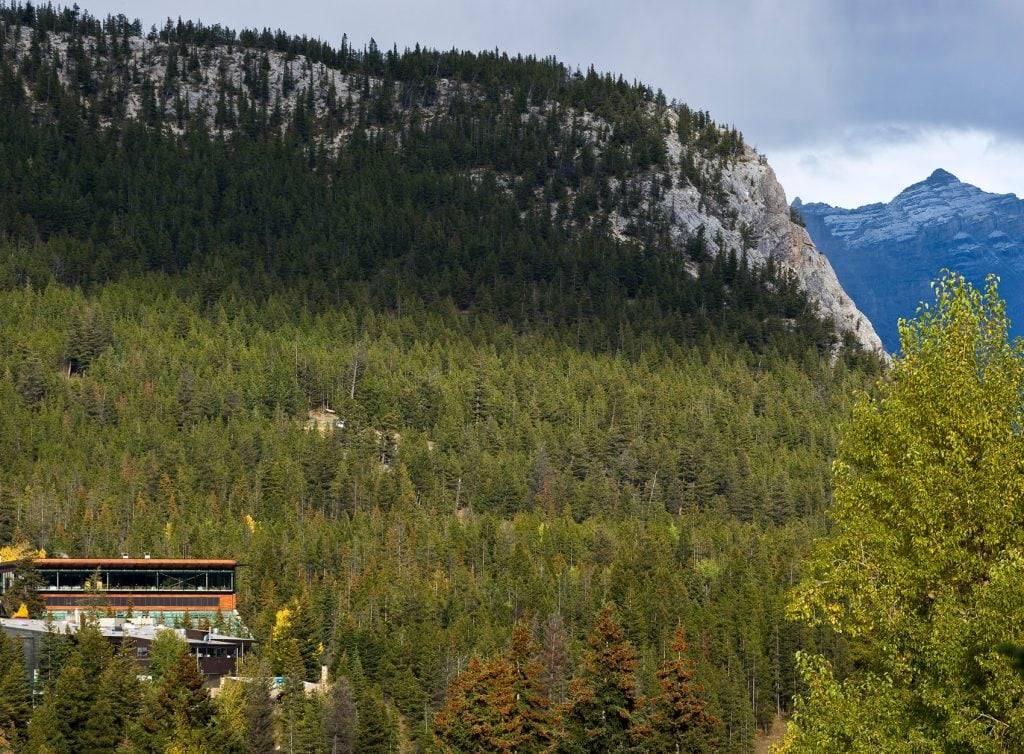
Alpine regions are characterized by extreme temperature fluctuations, with temperatures ranging from -30°C in winter to 35°C in summer. These conditions cause intense cycles of contraction and expansion, which can lead to cracks and deformations in inadequately treated wood. Additionally, UV radiation intensifies at higher altitudes, accelerating the photodegradation of lignin.
In coastal environments, the presence of sea salt acts as a catalyst for corrosive processes and can accelerate the degradation of metal fasteners. Constant high relative humidity promotes the growth of microorganisms, while sea winds laden with saline particles exert a continuous abrasive effect on exposed surfaces.
Continental regions experience pronounced seasonal variations, with prolonged dry periods alternating with times of high humidity. This alternation can cause cyclic dimensional movements that stress the joints and fasteners of the cladding.
Tailored Strategies for Different Climates
In alpine environments, maintenance strategies should focus on inspecting fasteners after freeze-thaw cycles to ensure no loosening or deformations have occurred. Hidden fastener systems, such as those used in NATURCLAD-W panels, minimize the exposure of metal components to these extreme conditions.
For coastal regions, it is essential to use stainless steel or anodized aluminum fasteners and fasteners to prevent corrosion. Regular cleaning with fresh water removes saline deposits that can act as abrasives. Natural wood claddings with advanced surface treatments are better equipped to withstand the harsh marine environment.
In dry continental climates, attention should focus on maintaining controlled humidity levels through proper ventilation of the rear-ventilated cavity. Regular inspection of expansion joints ensures that seasonal movements do not compromise the system’s integrity.
Preventive Inspection Protocols
Inspection protocols vary depending on the severity of the climate. In alpine regions, semi-annual inspections are recommended after periods of significant thermal stress (end of winter and summer). In coastal environments, inspections should be conducted quarterly, with particular attention to the condition of fasteners and joints.
Inspections should include: checking the integrity of perimeter joints, the condition of visible fasteners, the functionality of cavity ventilation, and detecting any abnormal chromatic or textural changes on the wood surface.
High-performance natural wood claddings, such as those developed by Parklex Prodema, significantly reduce these maintenance requirements thanks to integrated treatments during manufacturing, which provide long-term resistance even in adverse climatic conditions. Need specific technical advice for your project? Contact our team with no obligation to address technical questions, analyze specific requirements, or develop customized solutions.