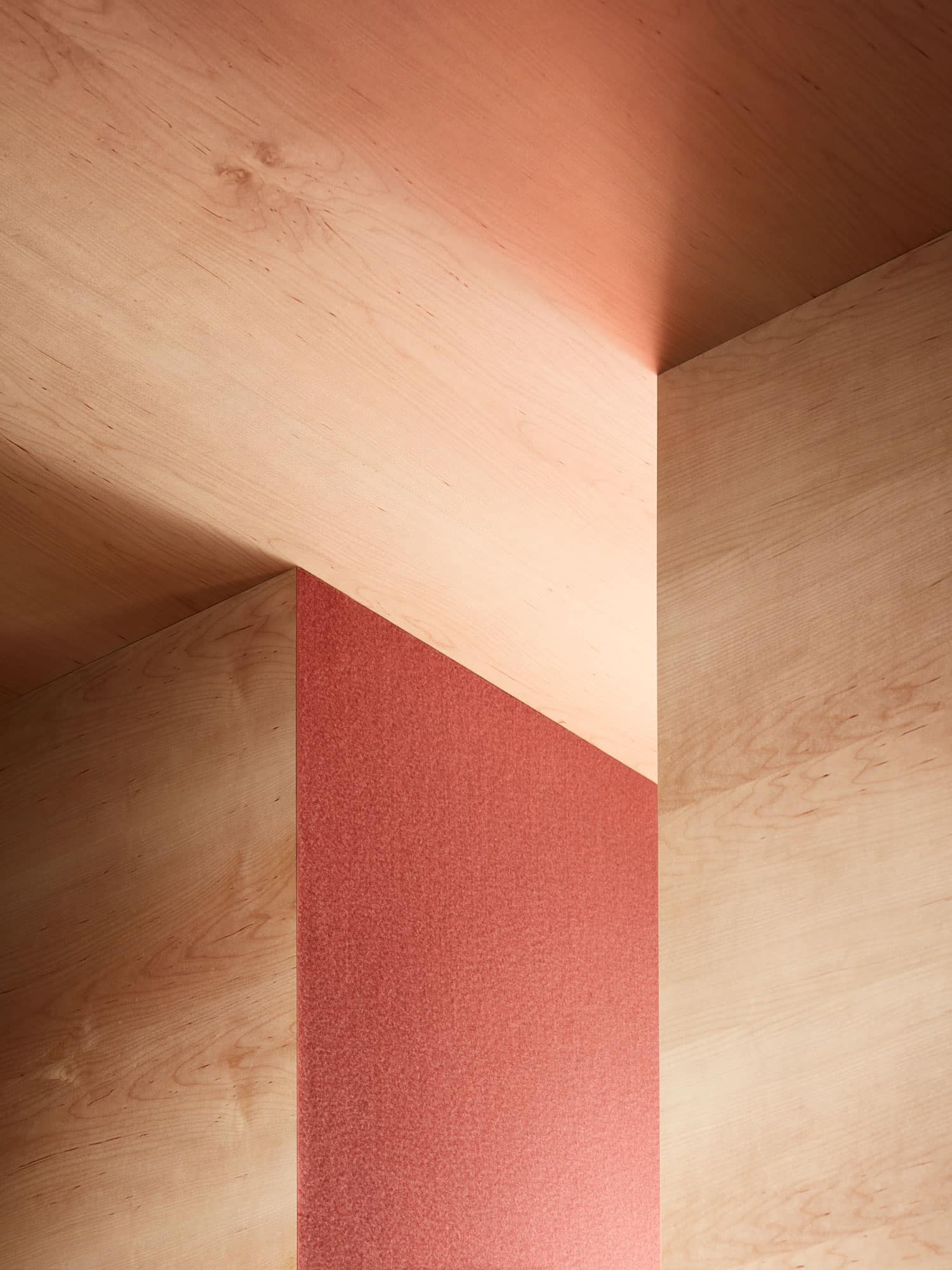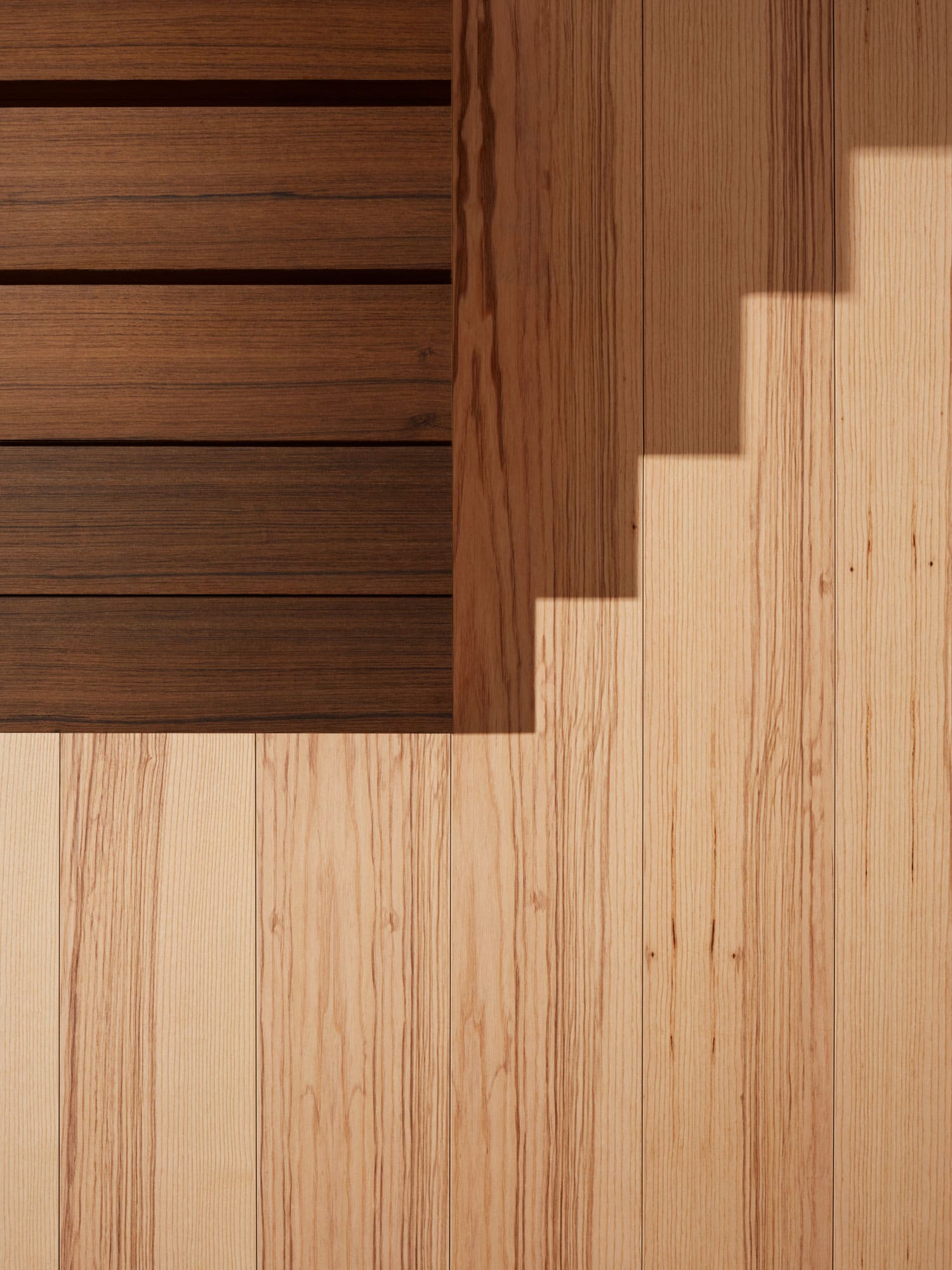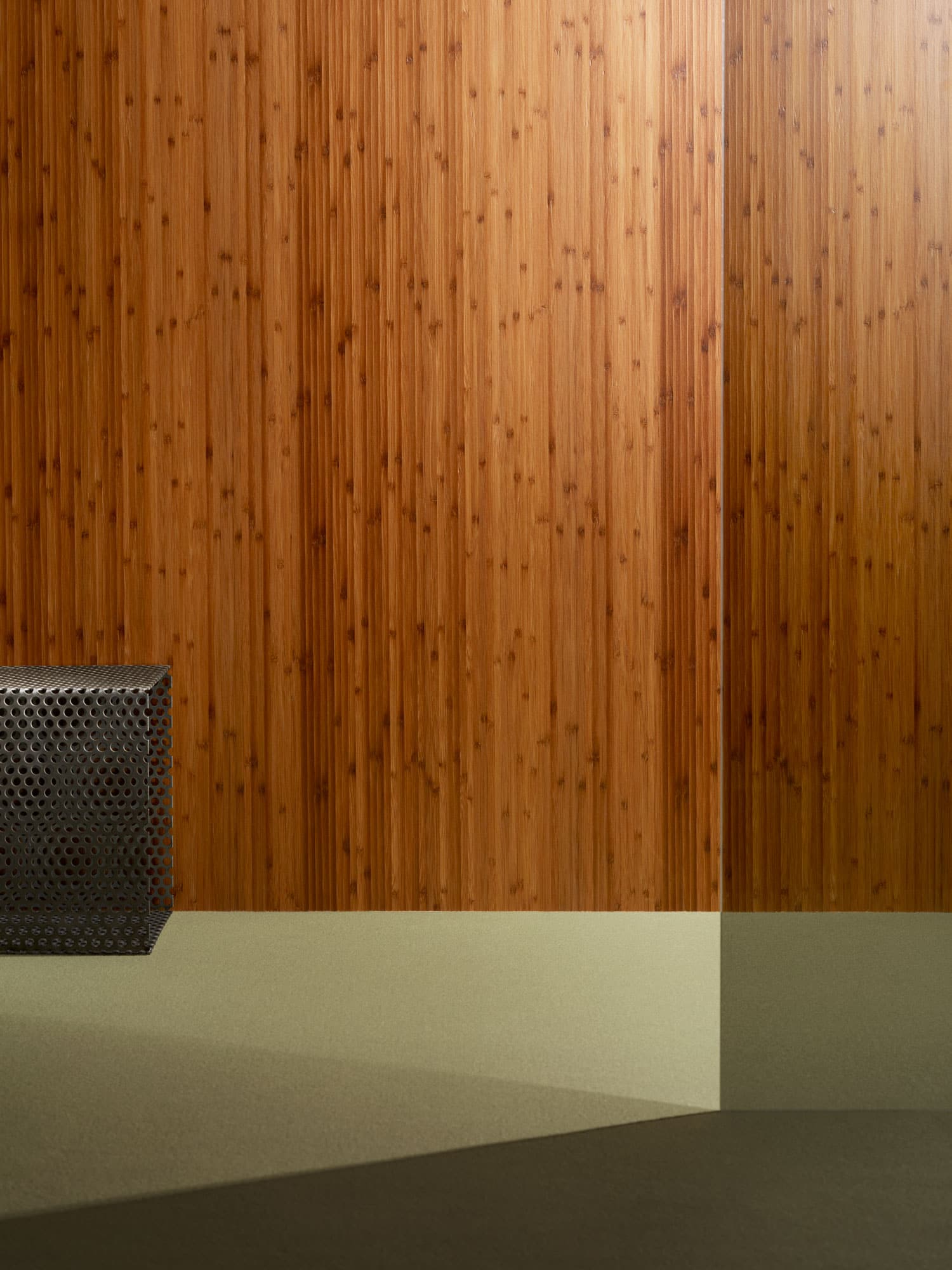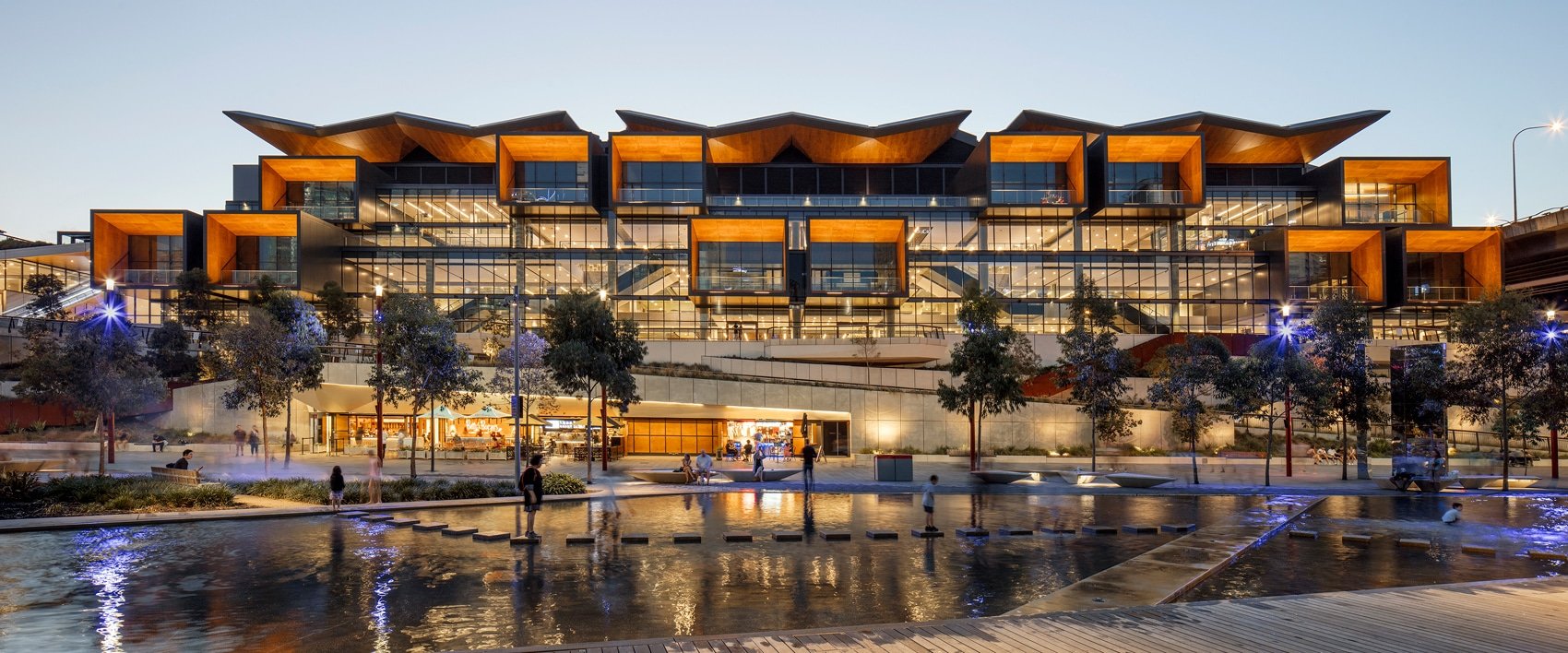
Porches, pergolas, and semi-covered spaces represent architectural typologies where wooden ceilings provide both functionality and aesthetic expressiveness. These transitional spaces, situated between the domestic interior and the outdoor environment, require specific technical solutions that combine resistance to varying environmental conditions with the visual warmth characteristic of natural wood.
Structural Typologies for Semi-Covered Spaces
Structural solutions for wooden ceilings in semi-covered spaces adapt to different architectural configurations:
Pergolas with Laminated Wood Structures: Systems where the load-bearing structure and the cladding integrate into a cohesive whole. NATURSOFFIT-W panels can be installed over laminated wood purlins, creating systems where the material’s natural qualities are expressed both structurally and superficially.
Porches with Metal Structures: Hybrid configurations where the primary structure of galvanized steel or aluminum provides mechanical strength, while the wooden cladding contributes aesthetic quality. This combination optimizes technical performance while maintaining the desired material expressiveness.
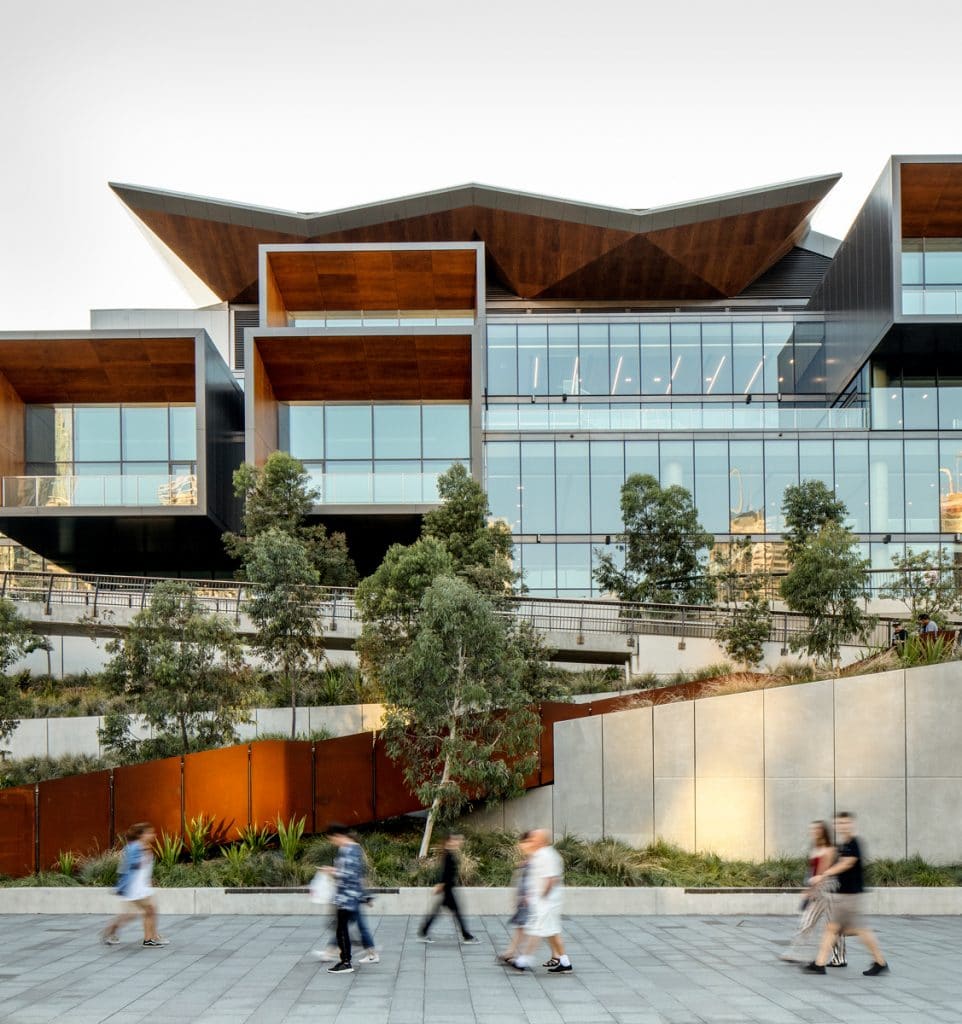
Canopies and Cantilevers: Architectural elements where the wooden ceiling serves as a protective and space-defining plane. The flexibility of fastener systems allows adaptation to complex geometries, including curved surfaces with large radii.
Specific Considerations for Variable Exposure
Semi-covered spaces present unique exposure conditions that require specific technical attention. Although these spaces do not receive direct rainfall, they may be exposed to splashes and high ambient humidity. Therefore, panels designed for protected outdoor applications incorporate specific treatments to withstand these conditions without deformation or surface alterations.
The characteristic geometry of pergolas and porches can create alternating areas of shade and direct sunlight, resulting in complex thermal and lighting gradients. The UV coatings on NATURSOFFIT-W panels ensure chromatic stability even under these heterogeneous exposure conditions, maintaining aesthetic uniformity across the installed surface.
Additionally, the open configuration of these spaces promotes natural ventilation but requires fastener systems designed to withstand wind loads that may arise in semi-open setups. While this ventilation benefits system durability by preventing moisture buildup, it must be considered in structural calculations to ensure the cladding’s integrity against potential overpressures or suction forces.
Integration with Complementary Elements
Wooden ceilings in semi-covered spaces are often integrated with other architectural elements:
- Integrated Lighting Systems: The suspended ceiling structure allows for the incorporation of linear or spot LED lighting systems, creating diffused light effects that enhance the natural texture of the wood. The modularity of the panels facilitates the integration of these elements during installation.
- Climate Control Systems: In seasonally used semi-covered spaces, such as restaurant terraces, radiant heating or ventilation systems can be integrated, utilizing the plenum of the suspended ceiling.
- Vegetation Elements: Combining wooden ceilings with structures for climbing plants creates hybrid systems where the built and natural elements integrate harmoniously.
Specific Construction Solutions
The technical implementation in semi-covered spaces requires specific construction details that account for the particularities of these hybrid configurations. Perimeter junctions are critical points where connections between the wooden ceiling and vertical elements, such as walls or columns, require solutions that accommodate differential movements while maintaining protection against water infiltration. Open joint systems with a drip edge are recommended to facilitate natural water drainage without compromising the system’s watertightness.
Water management is another fundamental aspect, as semi-covered spaces, while not exposed to direct precipitation, must include drainage systems for condensation or occasional splashes. Minimum slopes of 1% toward hidden gutters or perimeter drip edges ensure proper drainage, preventing accumulations that could compromise system durability.
Lastly, accessibility for maintenance operations must be integrated from the design phase, as these spaces should facilitate access for cleaning and potential maintenance of technical installations. Detachable fastener systems allow targeted access to specific elements without compromising the integrity of the whole, optimizing both functionality and long-term durability.
Optimization Based on Orientation and Climate
The orientation and local climatic conditions significantly influence the thermal performance and durability of exterior suspended ceiling systems, requiring specific design adaptations to optimize performance. South and west orientations present particular challenges related to intense solar radiation, demanding special attention to UV protection and overheating management through strategies such as plenum ventilation optimization and careful selection of finish colors to minimize thermal gains.
In climates with high ambient humidity, condensation management becomes a critical factor, requiring ventilation systems with cross-circulation to ensure effective water vapor elimination. This consideration is particularly relevant in coastal or tropical regions, where temperature differences between day and night can generate condensation cycles that may compromise system durability if not properly managed.
Areas exposed to strong winds pose additional challenges in terms of structural resistance and aerodynamic behavior. In these contexts, the ceiling’s geometric configuration must account not only for direct wind loads but also for suction and turbulence effects that may generate unexpected stresses on fastener elements, occasionally requiring specific reinforcements to the anchoring system.
Need specific technical advice for your project? Contact our team with no obligation to address technical questions, analyze specific requirements, or develop customized solutions.