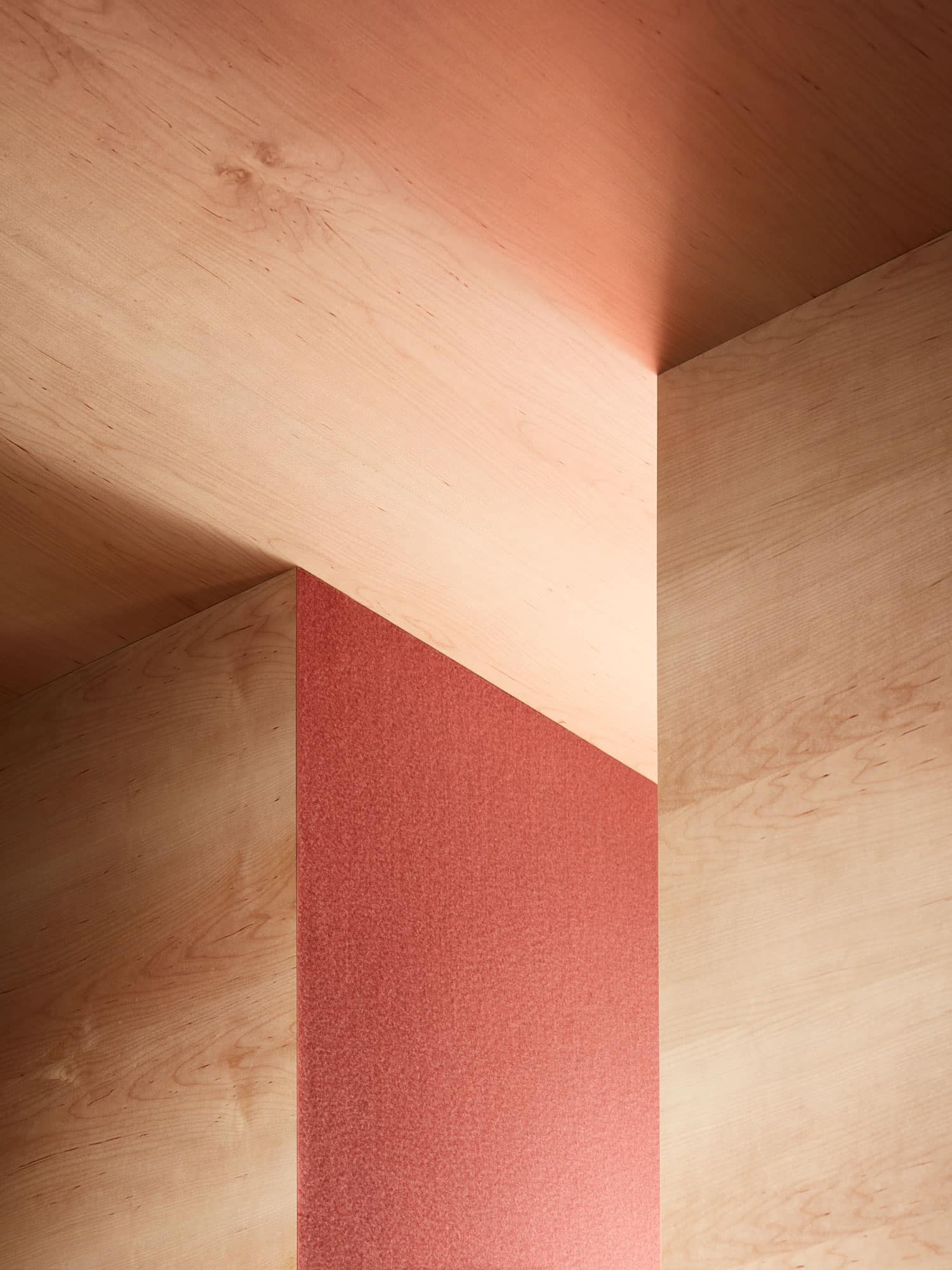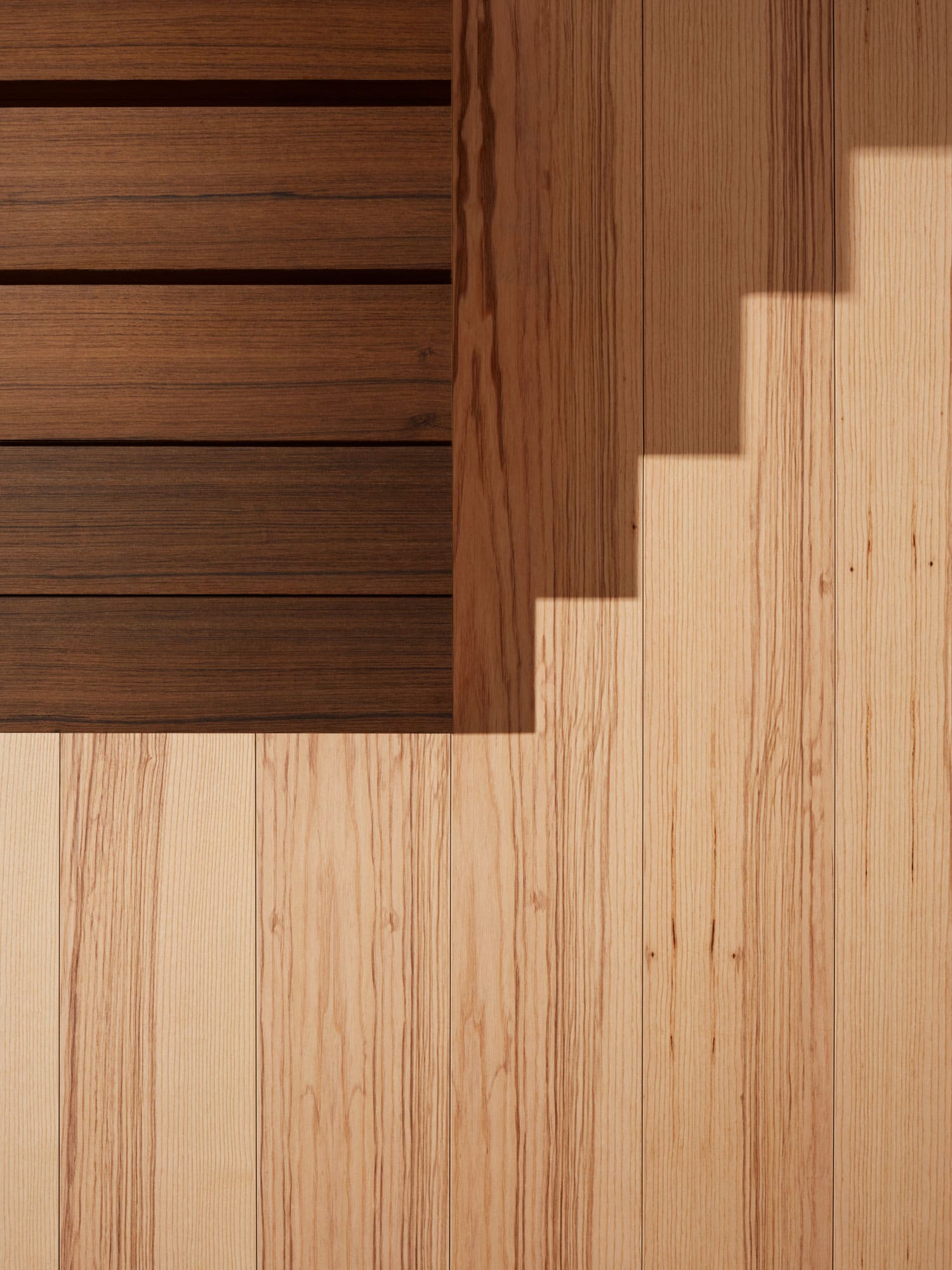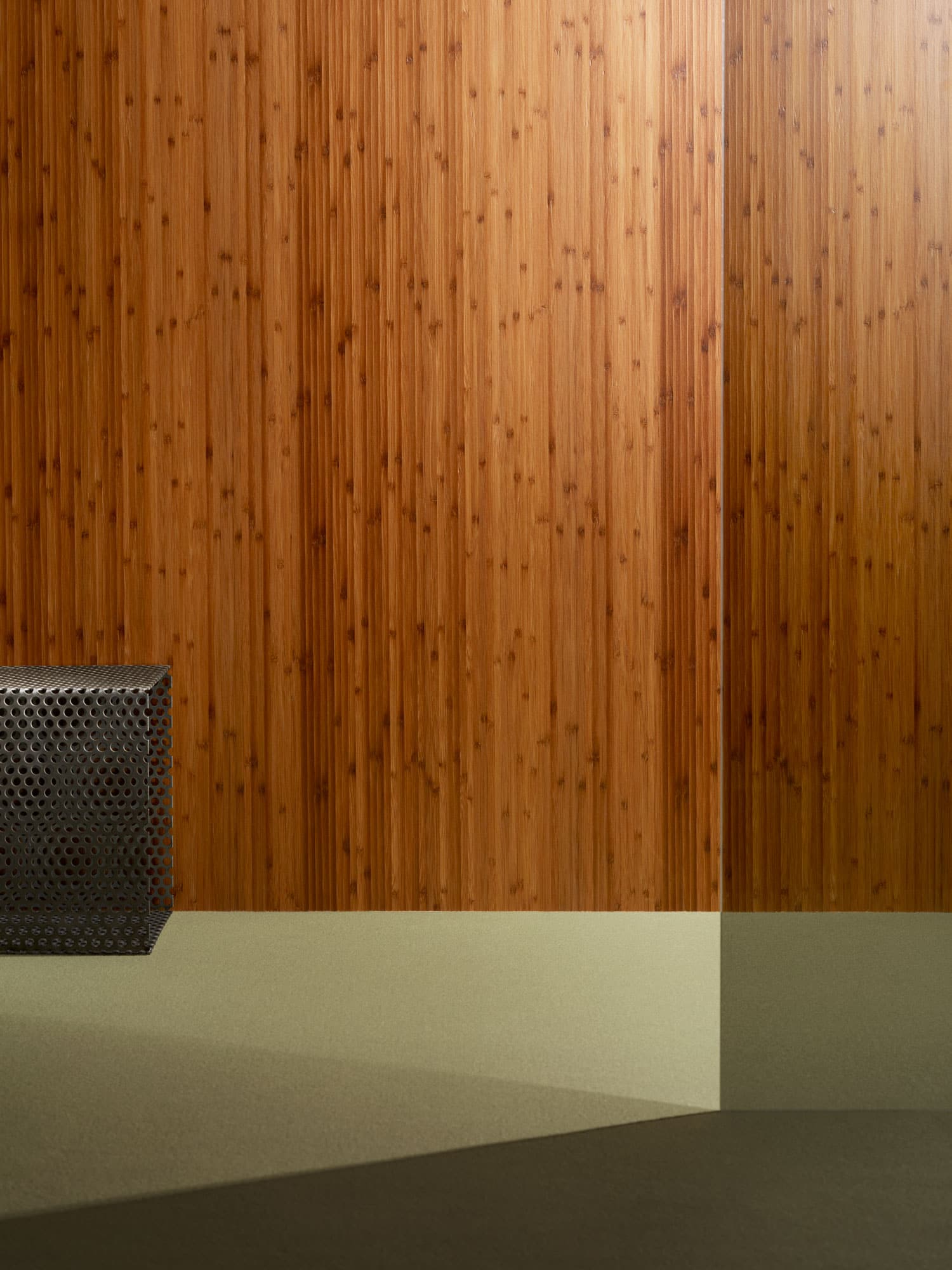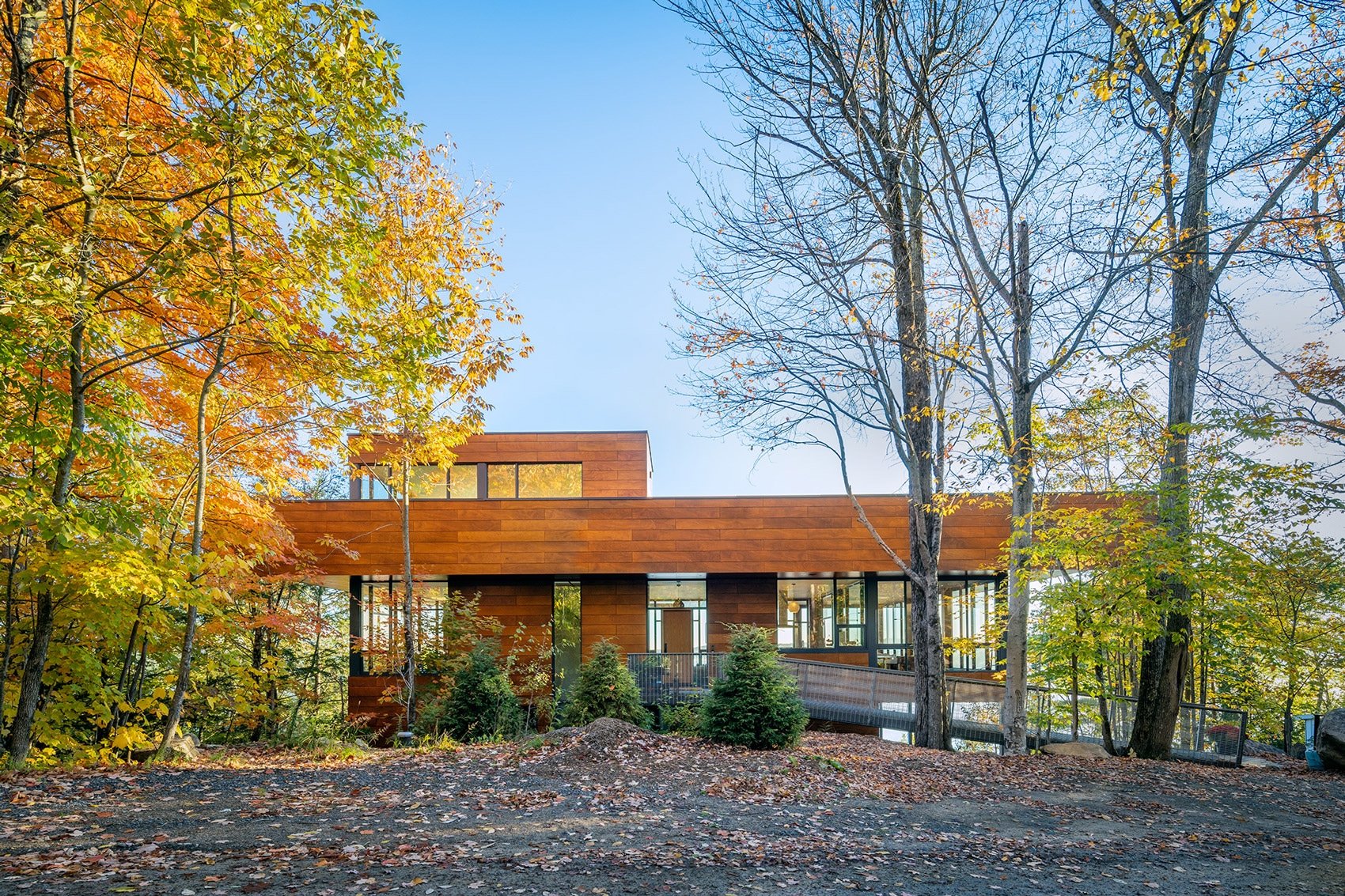
The environmental impact of natural wood planks has become a decisive factor in architectural specifications amid growing ecological awareness. A comparative lifecycle assessment of these claddings against alternatives such as ceramics, synthetic composites, or metals reveals significant advantages that go beyond mere perceptions of sustainability. Plank systems like NATURSIDING-W represent a technical evolution that maximizes these environmental benefits without compromising structural performance.
Lifecycle Analysis: Natural Wood vs. Alternative Materials
Carbon footprint is one of the most critical indicators for assessing the climate impact of facade claddings. Natural wood plank soffer environmental advantages in this area due to their CO₂ storagecapacity. During their growth, trees capture atmospheric carbon, which remains sequestered in the material throughout its lifespan, making its CO₂ emissions neutral in the case of incineration and even negative if the wood is recycled. Lifecycle Analysis (LCA) studies demonstrate that natural wood plank semit a significantly lower percentage of CO₂ equivalent compared to ceramic claddings and metallic solutions like aluminum.
Energy consumption in manufacturing also highlights significant differences between materials. While ceramic production requires temperatures exceeding 1,000°C and metals demand energy-intensive smelting processes, the production of high-performance natural wood planks relies on compression and controlled-temperature processes with substantially lower energy consumption. NATURCLAD-W panels exemplify this optimization through technologies that consolidate cellulosic fibers with thermosetting resins.
Resource Management
The renewable originof wood provides a fundamental advantage over finite resources like minerals or hydrocarbons. PEFC and FSC certifications ensure that planks come from sustainably managed forests, guaranteeing resource renewal. This traceability allows for objective quantification of impact and verification of responsible forestry practices.
Emissions During Use and Maintenance
Operational emissions during a building’s lifespan are a critical yet often underestimated factor. Natural wood planks contribute positively to a building’s energy balance through their natural insulating capacity and their role in ventilated facade systems that reduce heating and cooling demands.
The elimination of periodic treatments in high-performance natural wood planks offers significant environmental advantages. Unlike traditional solid wood, which requires recurring applications of varnishes, oils, or fungicides, advanced systems maintain their properties without additional chemical interventions. This reduces cumulative impacts from transportation, application, and volatile organic compound emissions.
Biodiversity and Ecosystem Services
Sustainable forest management associated with certified planks actively contributes to the conservation of forest ecosystems. Forests managed for certified wood production maintain essential ecological functions, such as water regulation, soil conservation, and wildlife habitats. This ecosystem dimension fundamentally differentiates wood from materials whose extraction causes irreversible impacts, such as mining or oil exploitation.
Distinctive Environmental Indicators
The manufacturing processes of natural wood planks exhibit unique environmental characteristics compared to alternative materials:
- Absence of high-temperature processes: Unlike ceramic or metallurgical production, wood plank manufacturing avoids processes requiring temperatures above 1,000°C, significantly reducing associated emissions.
- Comprehensive use of byproducts: Wood machining processes generate by products like sawdust and shavings that are reused in production or valorized for energy, unlike the challenging waste management in other industries.
- Lower water resource dependency: Wood plank treatment and shaping processes require significantly less water than ceramic or metallurgical manufacturing.
Contribution to Environmental Certifications
Natural wood planks contribute to achieving sustainable building certifications. In systems like LEED v4 and BREEAM, they support categories such as Materials and Resources, environmental quality, and, when used indoors, indoor air quality, thanks to certifications like EPD, Chain of Custody (PEFC, FSC), Clean Air Gold, and Indoor Air Quality.
The availability of verified environmental documentation, such as EPDs compliant with ISO 14025, enables precise integration into building environmental assessment models. Projects incorporating certified wood planks can objectively document their environmental benefits, facilitating high scores in these certification systems.
Need specific technical advice for your project? Contact our team with no obligation to address technical questions, analyze specific requirements, or develop customized solutions.