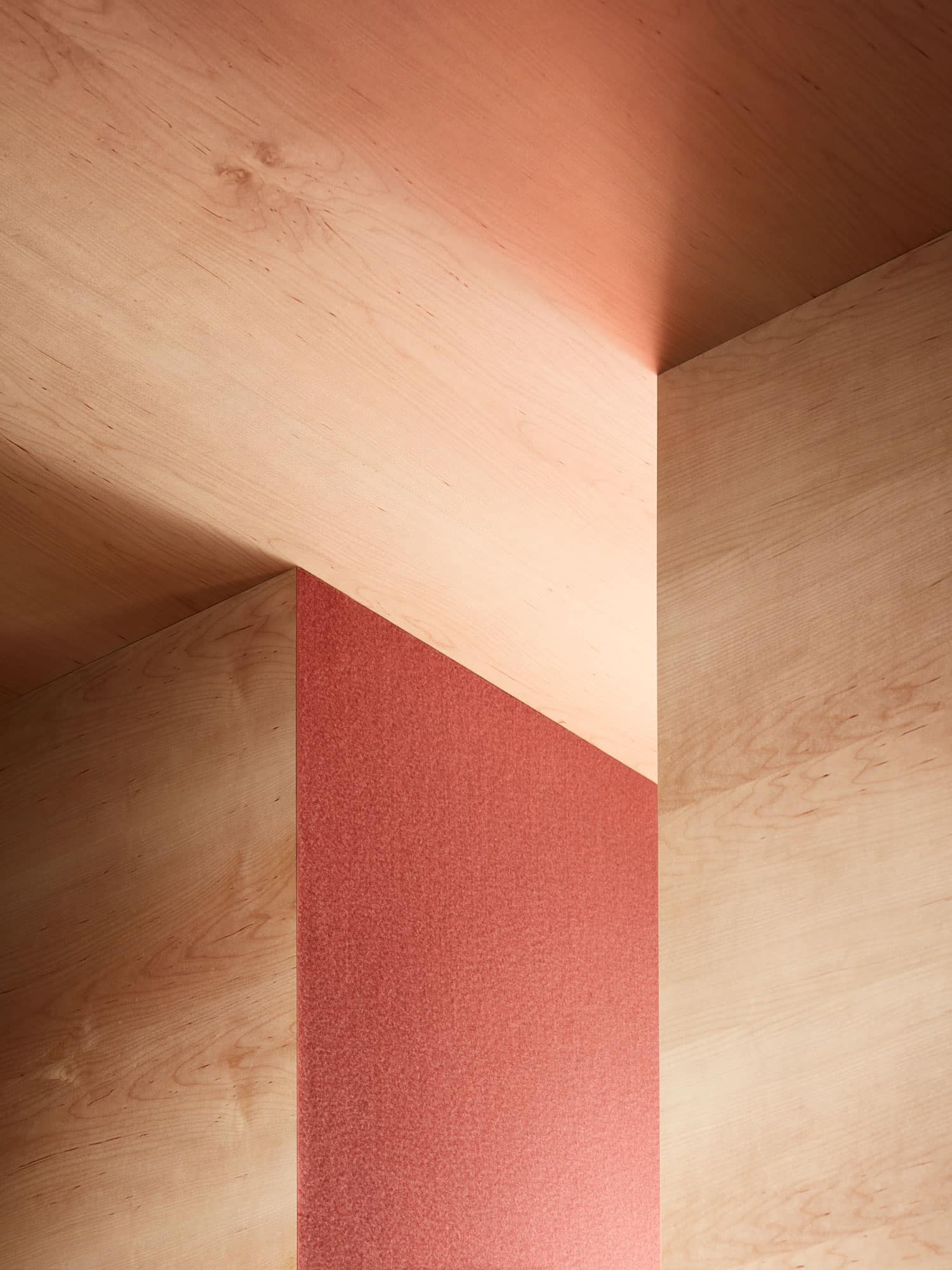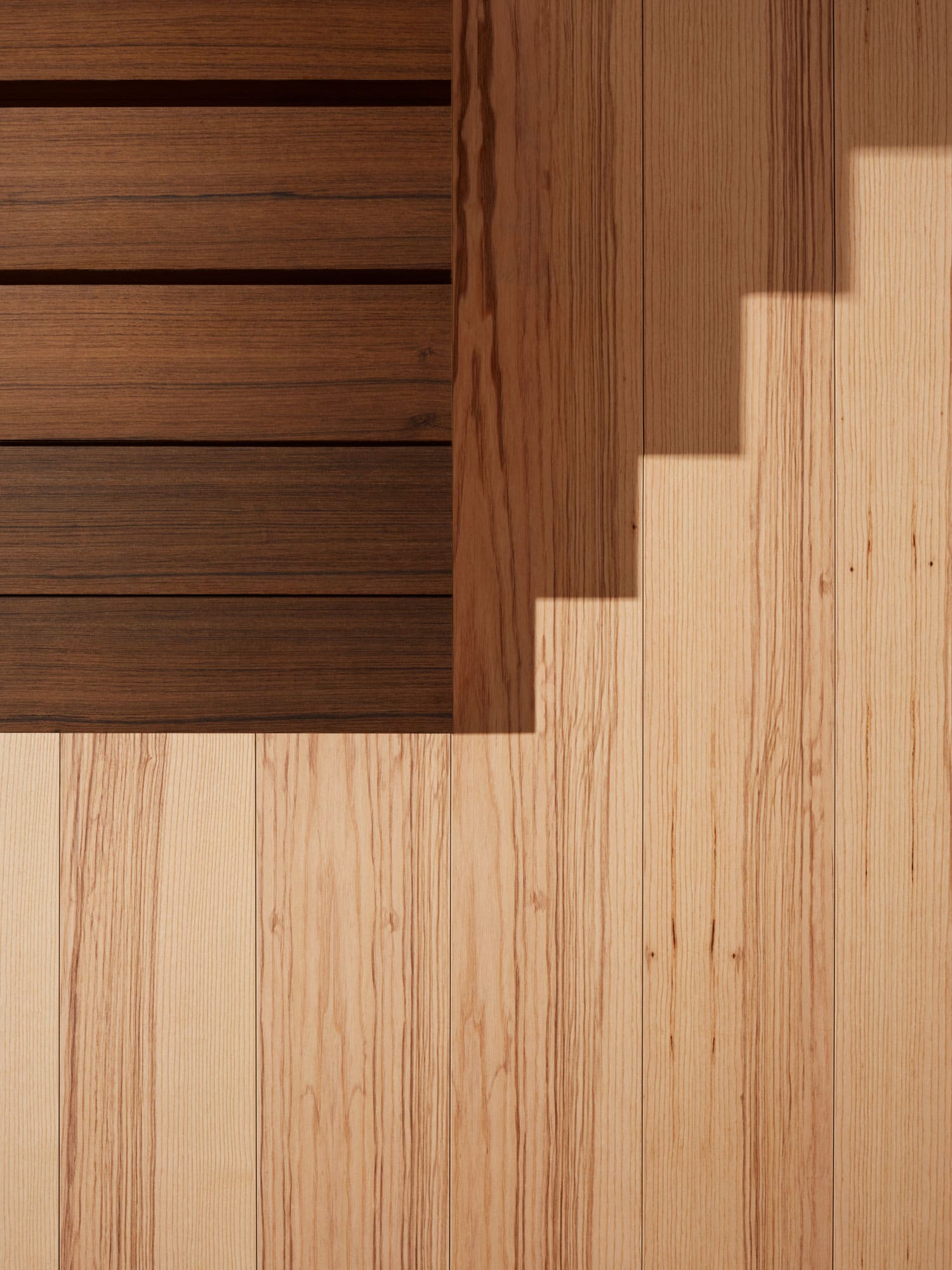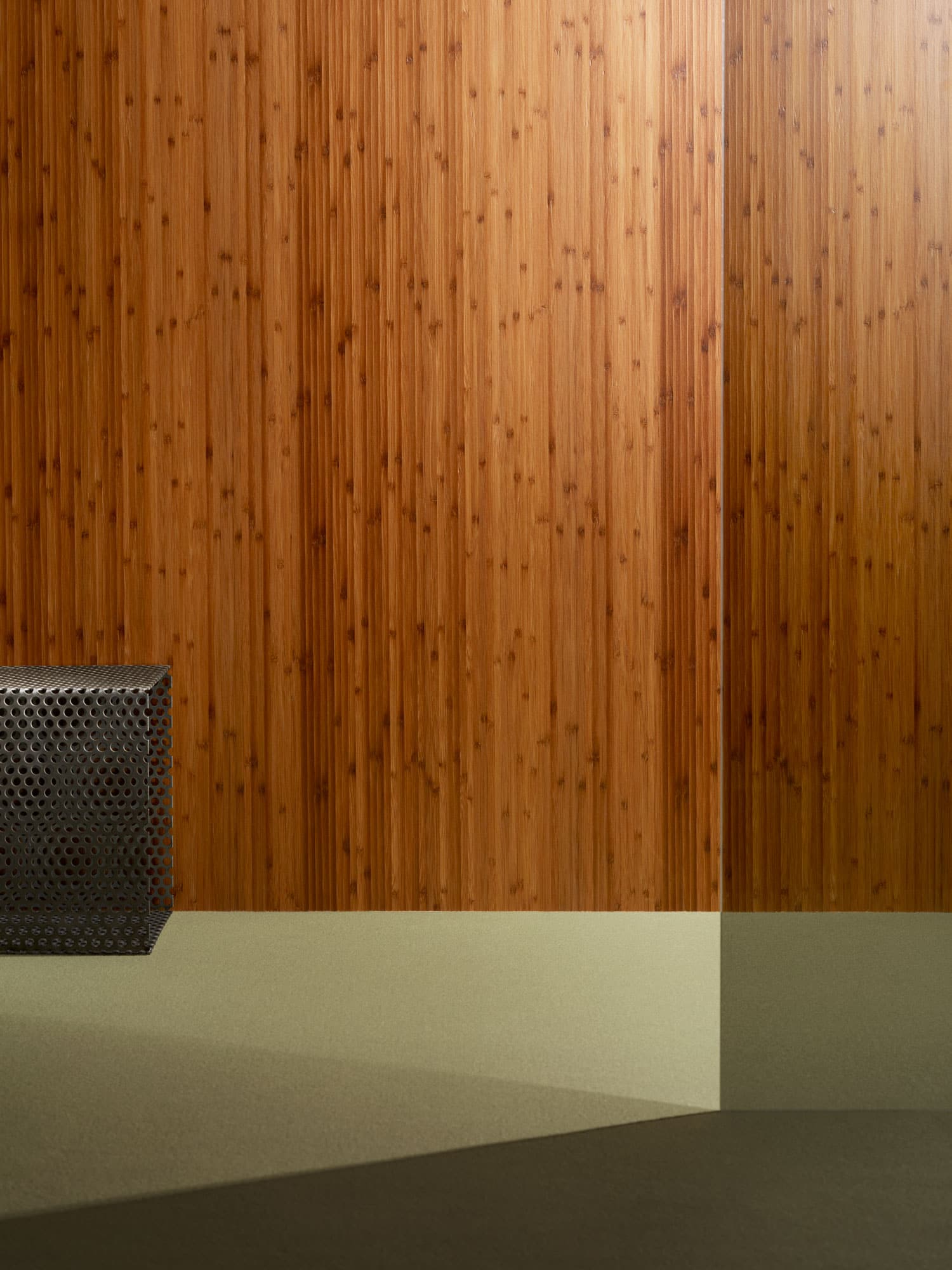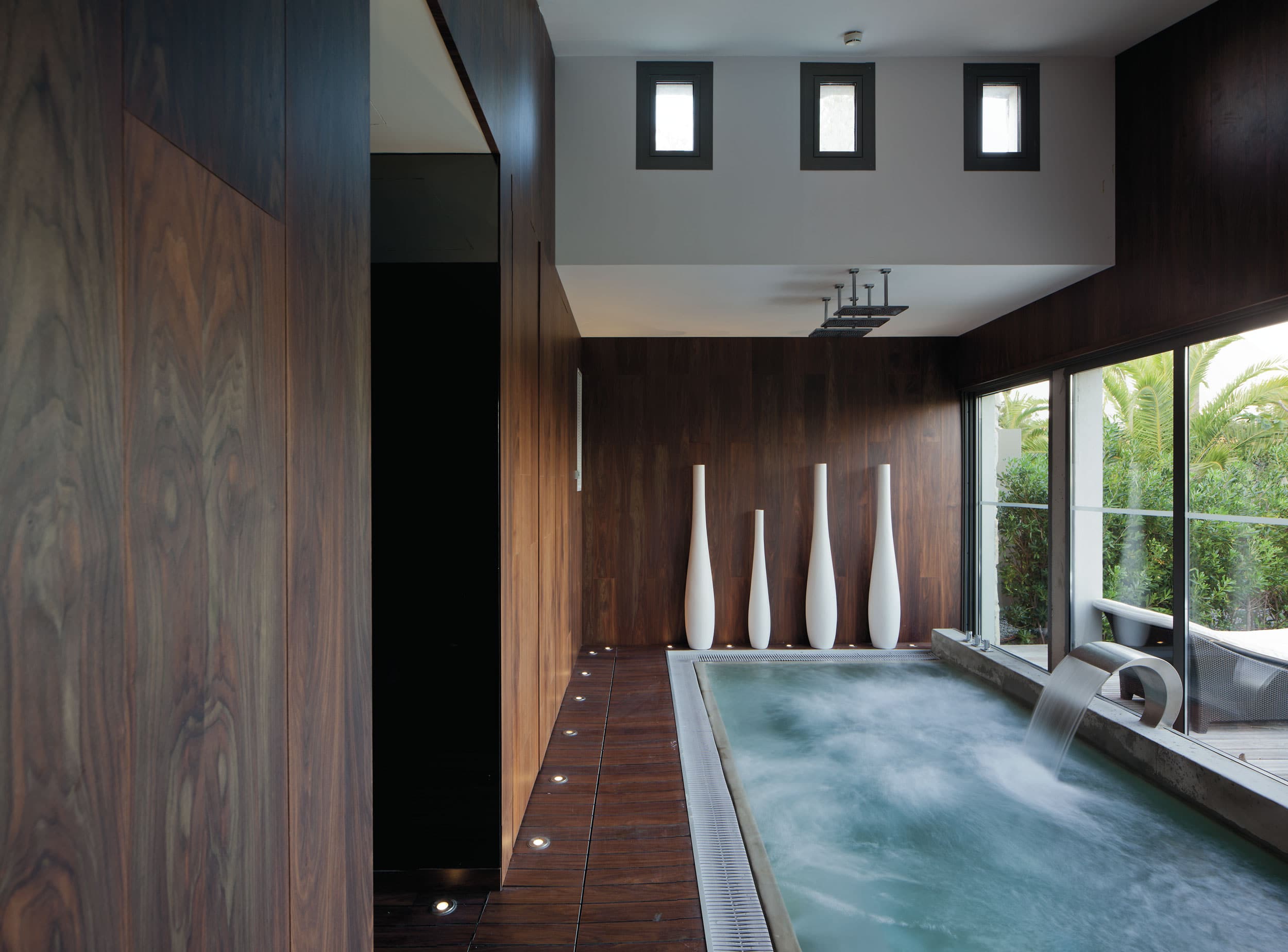
The integration of natural wood into wellness and spa spaces represents a perfect convergence of technical functionality and sensory well-being. Environments dedicated to relaxation and wellness particularly benefit from the inherent qualities of wood, while technological advancements have overcome the challenges that high-humidity settings pose for natural materials.
Natural Wood as a Biophilic Element in Wellness Spaces
The presence of natural elements in spaces designed for well-being significantly enhances the relaxation and recovery experience. Wood, in particular, connects directly with our senses in a multidimensional way:
Sensory and Psychological Benefits
- Visual Impact: The heterogeneous patterns of wood grain and knots create an organized complexity that the human brain processes similarly to natural patterns, reducing attentional fatigue.
- Tactile Experience: Wood’s surface temperature, significantly warmer than materials like ceramic or stone, creates a psychological sense of thermal comfort that goes beyond objective ambient temperature measurements.
- Acoustic Properties: Wood’s selective frequency absorption and diffusion characteristics create spaces where reverberation resembles that of natural environments, resulting in more balanced acoustic settings.
- Olfactory Stimulation: The natural volatile organic compounds emitted by wood have documented psychophysiological effects, including reduced blood pressure and activation of positive immune responses.
Technical Requirements for Spa Environments
Spa and wellness areas present particularly demanding conditions for construction materials due to the combination of high humidity, fluctuating temperatures, and often the presence of chemical agents like chlorine or mineral salts.
Critical Characteristics for Spa Environments
- Resistance to Extreme Ambient Humidity: In spaces like steam saunas or Turkish baths, relative humidity can reach near-saturation levels for extended periods. High-performance natural wood panels maintain their integrity in these conditions through treatments that modify their cellular structure to reduce natural hygroscopicity.
- Performance Under Sudden Thermal Changes: The ability to withstand significant thermal contrasts, such as transitions between sauna areas and relaxation zones, without deformation or surface alterations.
- Resistance to Specific Agents: Tolerance to chlorinated or saline water, water treatment products with varying pH levels, and essential oils used in treatments.
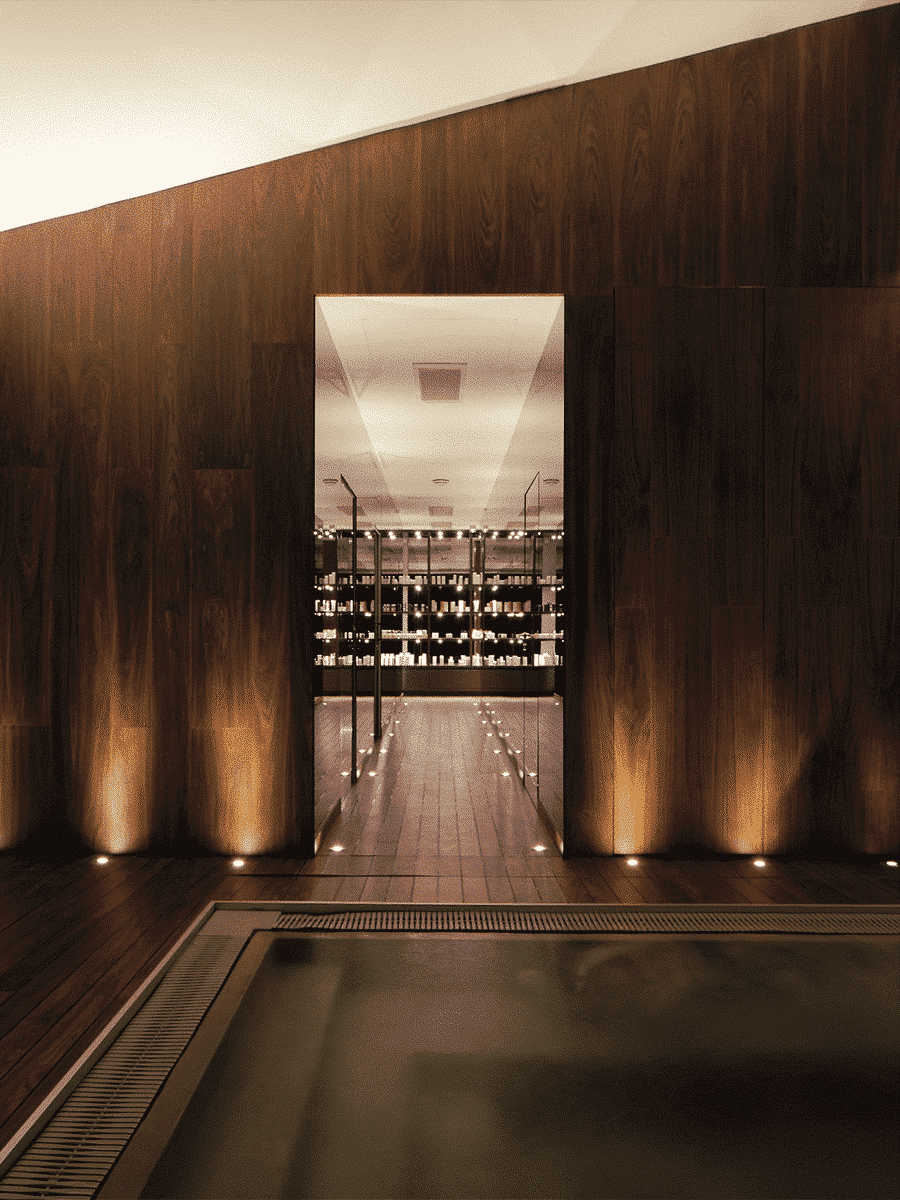
Parklex Prodema’s NATURHARDPANEL-W panels, as used in the Hotel Sezz Saint-Tropez project, meet these demanding requirements. Thanks to their composite structure and specific treatments, they enable the creation of wellness spaces with the warmth of natural wood but without the traditional limitations of this material.
Applications in Specific Wellness Areas
The versatility of high-performance natural wood finishes allows their integration into various zones of wellness spaces:
Perimeter Areas of Pools and Spas
Floor and wall finishes in these zones must combine:
- Slip Resistance in Wet Conditions: Specific finishes maintain anti-slip properties even in the presence of water.
- Thermal Comfort for Barefoot Traffic Areas: Avoiding the cold sensation typical of materials like ceramic or stone.
- Durability against occasional exposure to chlorinated or treated water.
Dry Saunas and Thermal Areas
Traditionally dominated by natural wood, these applications benefit from advanced technical treatments through:
- Greater Durability against extreme humidity and dryness cycles: Significantly extending the lifespan of the installations.
- Reduced Emission of Natural Resins at high temperatures: Improving indoor air quality.
- Enhanced Surface Hygiene Properties: Facilitating cleaning and maintenance.
Rest and Transition Zones
Spaces that complement direct treatment areas, where wood contributes to creating relaxing atmospheres. Covered facade systems, such as NATURSOFFIT-W, can extend to outdoor covered areas, creating transitional spaces that maintain the aesthetic coherence of the ensemble.
Wood enables the development of wellness spaces that combine functionality, durability, and sensory well-being, creating environments that enhance the relaxation experience while meeting the demanding technical requirements of these settings.
Need specific technical advice for your project? Contact our team with no obligation to address technical questions, analyze specific requirements, or develop customized solutions.